Community Homestays in Luang Namtha: What to Expect and How to Book
- Community Homestays in Luang Namtha: What to Expect and How to Book
- Why Choose Community Homestays in Luang Namtha?
- What to Expect During Your Stay
- Preparing for Your Community Homestay
- How to Book Your Community Homestay in Luang Namtha
- Conclusion
- คำถามที่พบบ่อย (FAQ)
- Q1: What is the best time of year to visit Luang Namtha for a homestay?
- Q2: Are community homestays suitable for families with young children?
- Q3: How can I ensure my homestay is truly ethical and benefits the community?
- Q4: What should I do if I don’t speak Lao?
- Q5: Is it safe to drink the water provided during a homestay?
- References
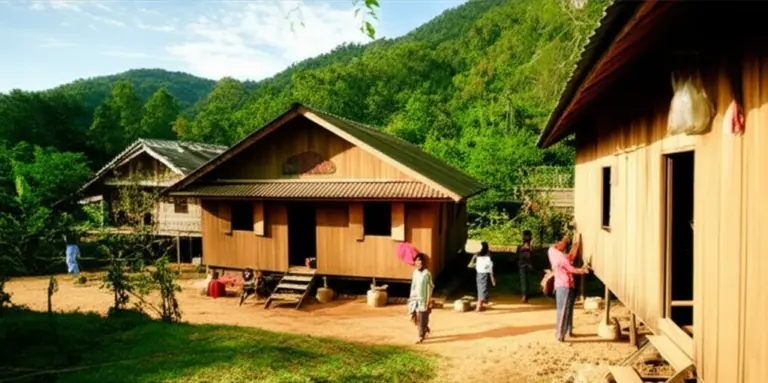
Embark on an unforgettable journey into the heart of northern Laos by experiencing **Community Homestays in Luang Namtha**. This guide will walk you through what to expect from these unique cultural immersions and provide practical advice on how to book your adventure. Luang Namtha, a province renowned for its stunning natural landscapes and diverse ethnic groups, offers an unparalleled opportunity to connect with local traditions and contribute directly to the well-being of rural communities. Beyond typical tourism, a homestay allows you to live alongside local families, share meals, and participate in daily life, fostering a deeper understanding and appreciation for Laos’ rich cultural tapestry.
Why Choose Community Homestays in Luang Namtha?
Opting for a community homestay offers a multitude of benefits, both for the traveler and the host community. It’s a choice that speaks to a desire for meaningful travel, transcending superficial sightseeing to embrace genuine human connection.
Authentic Cultural Immersion
Unlike staying in a hotel, a homestay places you directly within a local family’s home. You’ll witness daily routines, learn about traditional crafts, farming practices, and social customs firsthand. This unfiltered exposure provides invaluable insights into the lives of the Akha, Lanten, Khmu, and other ethnic groups that call Luang Namtha home. It’s an opportunity to truly live like a local, even if just for a few days.
Supporting Local Communities
Community-based tourism initiatives ensure that the economic benefits of your visit directly reach the families and villages you stay with. This sustainable approach helps preserve traditional ways of life, provides income, and encourages communities to maintain their cultural heritage and natural environment. Your travel dollars contribute to education, healthcare, and infrastructure projects, making a tangible difference.
Unique Travel Experiences
From trekking through lush rice paddies and dense jungles to participating in cooking classes using local ingredients, community homestays offer experiences that standard tours cannot. Imagine learning to weave traditional textiles, helping with farm chores, or sharing stories around a fire under a starlit sky. These are the moments that forge lasting memories and provide a profound sense of connection.
What to Expect During Your Stay
Prepare for an experience that prioritizes authenticity over luxury. While comfortable, homestays are designed to reflect the local way of life, offering a glimpse into rural Laos.
Accommodation: Simple Comforts
Expect basic but clean sleeping arrangements, often on a mattress or mat on the floor, sometimes with a mosquito net. Facilities like shared squat toilets and cold bucket showers are common. Electricity might be limited or unavailable, especially in more remote villages. Embrace this simplicity as part of the adventure; it’s a chance to disconnect from modern conveniences and appreciate the essentials.
Meals are typically shared with your host family and consist of fresh, locally sourced ingredients. Expect sticky rice as a staple, accompanied by various curries, stir-fries, and fresh vegetables. The food is generally less spicy than in neighboring Thailand. It’s an excellent opportunity to try authentic Laotian cuisine. Dietary restrictions should be communicated in advance, though options might be limited in remote areas.
Daily Life and Activities: A Glimpse into Tradition
Your day will often revolve around the rhythm of village life. This might include waking early with the roosters, observing or assisting with farming activities, preparing meals, or watching traditional crafts being made. Many homestays are integrated with trekking tours, allowing you to explore the surrounding nature with local guides. Embrace the slower pace and the chance to observe rather than just participate.
Cultural Etiquette and Respect
Respect for local customs is paramount. Dress modestly, especially when visiting temples or interacting with elders. Always ask for permission before taking photos of people. Remove your shoes before entering homes or temples. A small gift for the host family (e.g., school supplies for children, a local delicacy from your home country) is a thoughtful gesture, but not expected. Your tour guide will often provide specific guidance on local etiquette.
Preparing for Your Community Homestay
A little preparation goes a long way in ensuring a comfortable and enjoyable homestay experience.
What to Pack
- Lightweight, modest clothing (long pants/skirts, shirts with sleeves).
- Comfortable walking shoes for trekking.
- Personal toiletries, including insect repellent and hand sanitizer.
- Flashlight or headlamp.
- Basic first-aid kit.
- Reusable water bottle (to reduce plastic waste).
Language and Communication
Most community homestays are arranged through local tour operators who provide English-speaking guides. These guides are crucial for bridging the language barrier and facilitating communication with your host family. They will also provide cultural context and ensure a smooth experience. Without a guide, communication can be challenging, as English proficiency is low in rural areas.
Health and Safety Tips
Ensure your vaccinations are up-to-date, and consult your doctor about anti-malarial medication if recommended for the region. Drink only bottled or purified water. Be mindful of personal belongings, although theft is rare in these close-knit communities. Always follow your guide’s instructions, especially regarding food and trekking routes.
How to Book Your Community Homestay in Luang Namtha
Booking a community homestay requires a slightly different approach than typical hotel reservations. The best way to ensure an ethical and well-organized experience is through established local channels.
Reputable Tour Operators and Local Agencies
The most reliable way to book **Community Homestays in Luang Namtha** is through local tour operators based in Luang Namtha town. Agencies like the Luang Namtha Provincial Tourism Department or well-regarded eco-tourism companies specialize in organizing these experiences. They work directly with villages, ensuring fair compensation and proper arrangements. Booking through them often includes a guide, transportation, meals, and permits, streamlining your trip.
Direct Booking (If Applicable/Advised)
While some guesthouses in Luang Namtha town might offer direct connections to nearby villages, it’s generally advisable to go through a recognized tour operator for community homestays. This ensures that the experience is properly managed, culturally sensitive, and that the benefits genuinely reach the community rather than just an intermediary. Direct booking without a local connection or language skills can be challenging and less impactful for the community.
Important Considerations Before Booking
- Duration: Most homestays are part of 1-3 day trekking packages.
- Group Size: Small groups (2-6 people) are ideal for minimizing impact and maximizing interaction.
- Ethical Practices: Inquire about how the tour operator ensures fair wages and benefits for the community.
- Cost: Prices vary but typically include guide, food, accommodation, and permits. Expect to pay more for genuine ethical tourism.
Here’s a brief video showcasing the stunning natural beauty and cultural richness of Luang Namtha, offering a glimpse into the environment you’ll experience during your homestay:
To help you visualize the location, here’s a map of Luang Namtha:
Conclusion
Experiencing **Community Homestays in Luang Namtha** is more than just a trip; it’s an immersive cultural exchange that leaves a lasting impression. It’s an opportunity to step away from the tourist trail, connect with local people, and contribute to sustainable development in a truly authentic way. By understanding what to expect and how to book responsibly, you can ensure your homestay is a rewarding adventure for both you and your gracious hosts. Embrace the simplicity, the warmth of the communities, and the breathtaking landscapes, and you’ll discover the true spirit of Laos.
คำถามที่พบบ่อย (FAQ)
Q1: What is the best time of year to visit Luang Namtha for a homestay?
The dry season, from October to April, is generally considered the best time to visit Luang Namtha. The weather is cooler and more pleasant for trekking, and the risk of heavy rainfall affecting travel is lower. However, the green season (May to September) offers lush landscapes and fewer tourists, though some trails might be muddy.
Q2: Are community homestays suitable for families with young children?
While homestays offer a unique family experience, the rustic conditions (basic sanitation, limited electricity, potential for long treks) might not be suitable for very young children or those unaccustomed to rural travel. Families with older children who are adventurous and adaptable may find it a rewarding experience. Always discuss specific needs with your tour operator beforehand.
Q3: How can I ensure my homestay is truly ethical and benefits the community?
To ensure your homestay is ethical, book through reputable local tour operators that are known for their commitment to community-based tourism and fair trade practices. Look for companies that clearly state how they work with villages, ensure fair wages for guides and hosts, and contribute to local development projects. The Luang Namtha Provincial Tourism Department is a good resource for identifying such operators.
Q4: What should I do if I don’t speak Lao?
It is highly recommended to book your community homestay through a tour operator that provides an English-speaking guide. Your guide will act as a translator, facilitate communication with your host family, and provide valuable cultural insights. While learning a few basic Lao phrases is appreciated, a guide is essential for deeper interactions and understanding.
Q5: Is it safe to drink the water provided during a homestay?
It is generally not safe to drink tap water or untreated water in rural Laos. Your tour operator should provide bottled water or purified water during your homestay and trek. Always confirm this with your guide. It’s also a good idea to carry a reusable water bottle and consider a portable water filter or purification tablets for personal use, to minimize plastic waste.
References
- Why Choose a Community Homestay in Luang Namtha — Benefits, Cultural Experiences, and Best Time to Visit
- Types of Homestays and Typical Amenities — From Remote Village Stays to Eco-Friendly Bungalows and What’s Included
- Preparing for Your Stay — What to Pack, Cultural Etiquette, Health & Safety, and Language Tips for Visitors