What is Community-Based Tourism (CBT) in Laos and Why it Matters for Local Development and Cultural Preservation
- What is Community-Based Tourism (CBT) in Laos and Why it Matters for Local Development and Cultural Preservation
- Introduction to Community-Based Tourism in Laos
- The Pillars of Local Development through CBT
- Safeguarding Cultural Heritage and Traditions
- Environmental Conservation and Sustainable Practices
- Challenges and Opportunities for CBT in Laos
- Conclusion: The Enduring Impact of CBT in Laos
- คำถามที่พบบ่อย (FAQ)
- What is the main goal of community-based tourism (CBT) in Laos?
- How does CBT contribute to local economic development in Laos?
- What role does CBT play in cultural preservation in Laos?
- How does CBT benefit the environment in Laos?
Laos, a landlocked nation renowned for its serene landscapes and rich cultural tapestry, has increasingly turned to tourism as a pathway to socio-economic development. Among the various forms of tourism, community-based tourism in Laos stands out as a powerful model, offering a unique blend of authentic travel experiences while directly benefiting local populations. It’s a transformative approach that empowers villagers, safeguards traditions, and protects the pristine natural environment. This article delves into the essence of CBT in Laos, exploring its definition, its profound importance for local development, and its critical role in cultural preservation.
Introduction to Community-Based Tourism in Laos
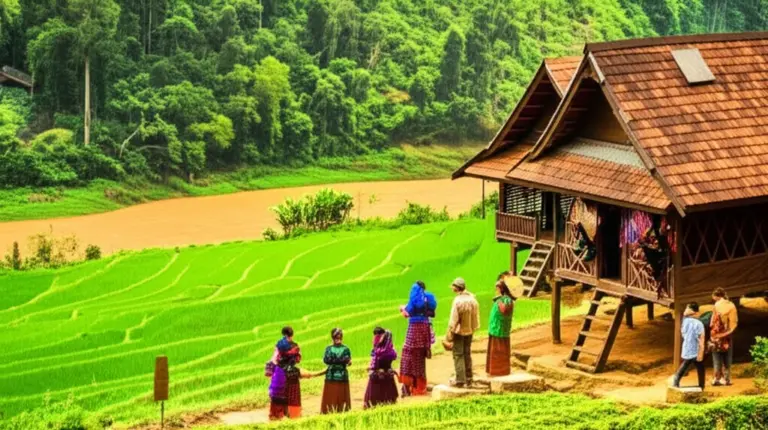
Community-based tourism (CBT) is more than just visiting a village; it’s an immersive experience designed to create a mutually beneficial relationship between tourists and host communities. In Laos, where rural populations often face significant economic challenges, CBT serves as a vital tool for sustainable development. It is fundamentally about strengthening the capacity of local communities to manage their own tourism resources, ensuring that the benefits of tourism are equitably distributed and that villagers participate fully in the process. [2]
Defining Community-Based Tourism (CBT)
At its core, CBT is tourism that considers environmental, social, and cultural sustainability. It is managed and owned by the community, for the community, with the primary purpose of enabling visitors to learn about local ways of life and increase their awareness. [3, 4] This model stands apart from conventional tourism by prioritizing the well-being and empowerment of local people over investor profit. The income generated from CBT is directly at the community’s disposal, allowing them to fund projects and initiatives based on their own development priorities. [2]
The Rise of CBT in Laos
Laos has a unique history of CBT development, often in collaboration with international development agencies since 1999. [9] Recognizing tourism’s potential as an economic force, the country has sought ways to empower rural villagers to access its economic benefits in a participatory manner. The authentic rural village life, culture, and pristine environment are the main attractions for tourists, creating a mutual dependency between tour operators and local communities. [2] The adoption of the ASEAN CBT Standard in 2016 and the subsequent development of a localized Lao CBT Standard in 2023 further underscore the nation’s commitment to this sustainable tourism model. [9]
The Pillars of Local Development through CBT
CBT offers a multifaceted approach to local development, directly addressing critical issues such as poverty, economic diversification, and infrastructure improvement.
Economic Empowerment and Poverty Reduction
One of the most significant impacts of community-based tourism in Laos is its ability to generate income and reduce poverty. By providing alternative livelihoods, CBT can help villagers move away from less sustainable practices like shifting cultivation in upland areas. [2] For instance, ecotourism initiatives in the Nam Et-Phou Louey National Park have positively impacted over 2,000 households, generating income through the sale of local products, contributing to village development funds, and funding conservation efforts. [6] In some cases, nature-based tourism partnerships have seen poverty rates drop significantly in participating villages. [8]
Infrastructure and Service Improvements
With the revenue generated, communities can invest in improving local infrastructure and services, such as schools, healthcare facilities, and water systems. This direct control over funds empowers communities to address their most pressing needs and priorities, leading to an improved quality of life for residents. [2, 12] Furthermore, CBT often fosters skill development among locals, including training in hospitality, guiding, and business management, which are invaluable for long-term community growth.
Safeguarding Cultural Heritage and Traditions
Laos is celebrated for its unique and diverse cultures. CBT plays a crucial role in ensuring these traditions are not only preserved but also celebrated and understood by a wider audience.
Preserving Traditional Lifestyles
Through CBT, communities are incentivized to maintain their traditional practices, crafts, and ways of life, as these are often what attract visitors. Tourists gain the opportunity to experience and learn about the authentic lives, cultures, and inter-relationships with the natural world of rural Laotians. [4] This exchange fosters respect for local cultures among both hosts and guests, reinforcing the value of indigenous knowledge and heritage.
Promoting Cultural Exchange and Understanding
CBT facilitates meaningful interactions between travelers and local people, bridging cultural gaps and building mutual understanding. Visitors often participate in traditional activities, learn local customs, and share meals with families, creating unforgettable and educational experiences. This direct engagement ensures that cultural preservation is not merely an academic exercise but a living, breathing aspect of the tourism experience. [4]
Environmental Conservation and Sustainable Practices
Beyond economic and cultural benefits, CBT is a powerful driver for environmental stewardship, particularly in a country as naturally rich as Laos.
Ecotourism and Biodiversity Protection
Many CBT initiatives in Laos are intertwined with ecotourism, focusing on the preservation of natural resources and biodiversity. When communities directly benefit from their natural surroundings, they are more motivated to protect them. For example, in ecotourism zones, there has been an observed increase in animal species as villagers actively participate in wildlife conservation efforts. [6] This model ensures that the economic gains from tourism are directly linked to the health of the environment. [7, 11]
Responsible Tourism Principles
CBT in Laos inherently promotes responsible tourism by emphasizing minimal negative impact on the environment and local culture. It encourages sustainable practices, such as waste management, conservation of natural habitats, and respect for local customs. The goal is to maximize benefits for the community while limiting any adverse effects of tourism on villagers and their environmental resources. [2]
Challenges and Opportunities for CBT in Laos
While the benefits are clear, CBT in Laos also faces challenges that require ongoing attention and strategic solutions.
Overcoming Obstacles
Many rural communities lack the necessary experience, knowledge, and skills to fully manage and operate tourism services. This highlights the crucial need for continuous training, guidance, and marketing support from external partners, including tour companies and government agencies. [2] Furthermore, while local residents understand the nature of CBT, their involvement in decision-making processes beyond the village authority can sometimes be limited. [5] Addressing these gaps through enhanced participatory approaches and capacity building is key to the sustained success of CBT initiatives.
Future Prospects
Conclusion: The Enduring Impact of CBT in Laos
Community-based tourism in Laos is far more than an alternative travel option; it is a critical driver for sustainable development, cultural preservation, and environmental conservation. By empowering local communities, fostering economic growth, and safeguarding the unique heritage and biodiversity of Laos, CBT offers a model for tourism that benefits everyone involved. As Laos continues to develop its tourism sector, the principles of CBT will remain essential in ensuring that growth is inclusive, respectful, and truly sustainable, offering authentic and enriching experiences for visitors while building a brighter future for its people.
คำถามที่พบบ่อย (FAQ)
References
- Community-Based Tourism in the Lao PDR: An Overview – LAD
- Laos Community Based Tourism ” Laos CBT”
- What is Community Based Tourism “CBT”?
- Is Community-Based Tourism beneficial to local communities? The case of Naduang Village, Vang Vieng District, Vientiane Province, Laos – Research Commons
- Ecotourism positively impacts almost everyone – Vientiane Times
- Community Based Tourism in ASEAN Region – Visit Southeast Asia
- Developing Nature-Based Tourism as a Strategic Sector for Green Growth in Lao PDR
- Community Implementation of the ASEAN Community-Based Tourism (CBT) Standard: An Executive Stakeholder Study on Lao PDR – MDPI
- The Impact of Tourism on an Urban Community in Vang Vieng District, Lao PDR
- Community-Based Tourism in Laos: How Your Trip Can Support Local Villages and Preserve Traditions
- How to choose responsible CBT experiences in Laos: certifications, ethical operators, and red flags to avoid
- What to expect on a CBT visit: typical activities, accommodation standards, cultural etiquette, and how to prepare