What to expect on a CBT visit: typical activities, accommodation standards, cultural etiquette, and how to prepare
- What to expect on a CBT visit: typical activities, accommodation standards, cultural etiquette, and how to prepare
- Understanding Community-Based Tourism (CBT) in Laos
- Typical Activities During Your CBT Visit
- Accommodation Standards in Lao CBT Villages
- Navigating Cultural Etiquette in Laos
- How to Prepare for Your CBT Adventure
- คำถามที่พบบ่อย (FAQ)
- Is CBT safe in Laos?
- What should I pack for a CBT trip in Laos?
- Can I communicate if I don’t speak Lao?
- What kind of food can I expect during a homestay?
Embarking on a CBT visit Laos (Community-Based Tourism) offers a unique and enriching travel experience, allowing you to connect deeply with local cultures and contribute directly to community development. Unlike conventional tourism, CBT immerses you in the daily lives of local communities, providing authentic interactions and unforgettable memories. This comprehensive guide will walk you through what to expect, from typical activities and accommodation standards to essential cultural etiquette and how to prepare for your transformative journey through Laos. Prepare to discover the heart of Laos, where ancient traditions meet breathtaking landscapes, and every interaction tells a story.
Understanding Community-Based Tourism (CBT) in Laos
Community-Based Tourism is a form of sustainable tourism that empowers local communities to manage and benefit from tourism activities. In Laos, CBT initiatives often focus on rural villages, allowing visitors to experience traditional lifestyles, participate in local activities, and appreciate the country’s rich cultural diversity and natural beauty [14]. This approach ensures that tourism revenue stays within the community, supporting education, healthcare, and infrastructure projects, rather than being siphoned off by external operators.
What is CBT?
At its core, CBT is about authenticity and mutual respect. Tourists engage directly with villagers, often staying in homestays, sharing meals, and learning traditional crafts or farming techniques. It’s a hands-on experience designed to be educational and culturally immersive, offering insights into the daily rhythms of Lao life that are inaccessible through standard tours. It’s about building bridges between cultures and fostering a deeper understanding of the world.
Why Choose CBT in Laos?
Laos, often considered a hidden gem in Southeast Asia, provides an ideal setting for CBT due to its untouched natural landscapes and deeply rooted cultural traditions [13, 16]. Choosing a CBT visit Laos means supporting conservation efforts, promoting cultural preservation, and experiencing genuine hospitality. It’s an opportunity to step away from the tourist crowds and witness the serene, uncomplicated lifestyle that defines much of rural Laos [18]. You become a part of their world, even if just for a short while.
Typical Activities During Your CBT Visit
Your itinerary during a CBT experience will vary depending on the village and region, but generally, it involves a blend of cultural immersion, interaction with local livelihoods, and exploration of the natural environment. These activities are designed to be participatory and educational, giving you a true taste of local life.
Immersive Cultural Experiences
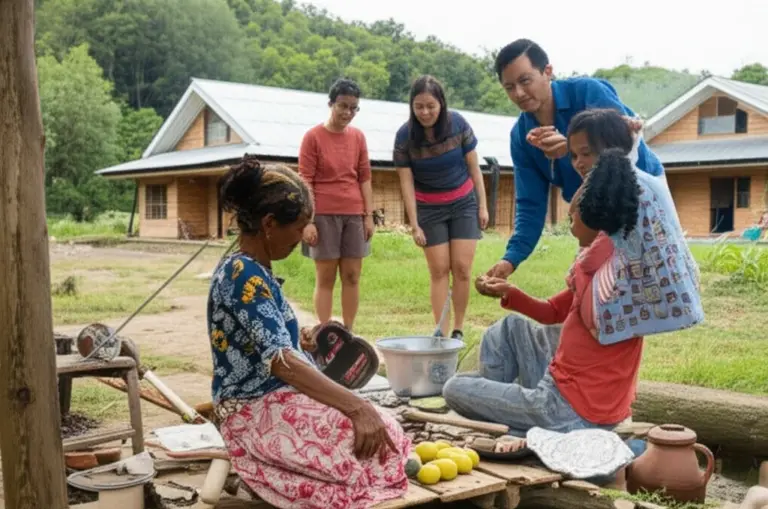
Expect to engage in activities like traditional cooking classes, learning local weaving techniques, participating in Baci ceremonies (a traditional Lao blessing ritual), or even attending local festivals if your visit coincides. You might learn basic Lao phrases or listen to elders share stories and folklore. These interactions are invaluable for understanding the heart of Lao culture [2].
Engaging with Local Livelihoods
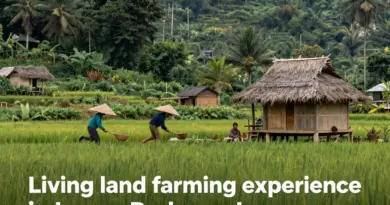
Many CBT programs offer opportunities to join villagers in their daily work. This could include rice farming, fishing in local rivers, tending to vegetable gardens, or assisting with handicraft production. These activities provide a deeper appreciation for the skills and hard work that sustain these communities [4, 9]. You might even get to try your hand at some of these tasks, under the patient guidance of your hosts.
Exploring Nature and Environment
Given Laos’s stunning natural beauty, many CBT experiences include treks through jungles, visits to waterfalls, or boat rides on rivers like the Mekong [18]. You might learn about local flora and fauna, sustainable farming practices, or even participate in reforestation efforts. These activities connect you with the pristine environment that the communities strive to protect [14].
Accommodation Standards in Lao CBT Villages
Accommodation during a CBT visit is typically simple, authentic, and designed to reflect local living conditions. It’s important to set your expectations for comfort rather than luxury, as the focus is on immersion and sustainability.
Homestays and Guesthouses
Most CBT programs feature homestays, where you stay in a designated area of a family’s home or a purpose-built guesthouse within the village [4, 7, 8]. These accommodations are usually basic, often constructed from local materials like wood and bamboo. You’ll likely sleep on a mattress on the floor, often with a mosquito net, and share common areas with the host family.
Comfort vs. Authenticity
While some CBT homestays might offer basic amenities like fans or electricity for a few hours a day, many will have limited access to modern conveniences [7]. Expect shared, often squat-style, bathrooms and cold-water showers. The trade-off for this simplicity is an unparalleled authentic experience, living as locals do, and a chance to truly disconnect from the modern world.
Essential Amenities to Expect
You can generally expect a clean sleeping space, bedding, and a mosquito net. Meals are usually provided by the host family, offering delicious home-cooked Lao cuisine, often eaten communally. While Wi-Fi is rare, the opportunity for genuine connection with people will far outweigh the lack of digital connectivity.
Respecting local customs is paramount for a harmonious and rewarding CBT experience in Laos. Lao culture is generally modest and values politeness, humility, and respect, especially towards elders and monks [2, 10].
Respectful Interactions
Always greet people with a ‘Nop’ (palms pressed together at chest level with a slight bow) [2, 10]. Avoid touching anyone’s head, as it’s considered the most sacred part of the body. Do not point your feet at people or sacred objects, as feet are considered the lowest and least clean part of the body [5, 11]. Always ask for permission before taking photos of people, especially monks or children [2, 5].
Dress Code and Demeanor
Modest dress is essential, particularly when visiting temples or participating in village activities [2, 10, 15]. Cover your shoulders and knees. Loose-fitting, lightweight clothing is ideal. Maintain a calm and soft-spoken demeanor; loud behavior is generally frowned upon [5, 11]. Public displays of affection are also generally not accepted.
Food and Dining Customs
When eating, wait for the oldest person to begin. Meals are often shared family-style; use your right hand for eating and passing food [10]. Sticky rice is a staple and is typically eaten with your hands. Offer food to others before serving yourself.
Language Basics and Greetings
Learning a few basic Lao phrases like ‘Sabaidee’ (hello), ‘Khop Jai’ (thank you), and ‘Bor Pen Nyang’ (no worries/you’re welcome) will go a long way in showing respect and fostering goodwill. Locals will appreciate your effort, even if your pronunciation isn’t perfect.
How to Prepare for Your CBT Adventure
Proper preparation can significantly enhance your CBT experience. A little foresight can help you navigate potential challenges and fully embrace the adventure.
Health and Safety Considerations
Consult your doctor about necessary vaccinations and pack a basic first-aid kit, including any personal medications, insect repellent, and stomach remedies. Be mindful of food and water hygiene, sticking to bottled water. While Laos is generally safe, always be aware of your surroundings [19].
Packing Essentials
Pack light, quick-drying clothing suitable for warm, humid weather and modest village life. Include long pants and sleeves for sun protection and temple visits. A good pair of walking shoes, a hat, sunscreen, a reusable water bottle, and a headlamp or flashlight are indispensable. Consider bringing small gifts for your host family, such as school supplies for children or non-perishable food items.
Financial Planning and Local Currency
The local currency is the Lao Kip (LAK). While USD is sometimes accepted in tourist areas, it’s best to have Kip for village transactions. ATMs are scarce in rural areas, so withdraw enough cash in major towns before heading to your CBT destination. Be prepared for prices to be lower than in urban centers, and avoid excessive haggling in markets [5, 16].
Open Mind and Flexibility
Perhaps the most crucial preparation is mental. Approach your CBT visit with an open mind, a willingness to adapt, and a genuine curiosity about a different way of life. Embrace unexpected situations, be patient, and allow yourself to be fully present in the experience. This mindset will enable you to form deeper connections and gain a richer understanding of Lao culture.
คำถามที่พบบ่อย (FAQ)
References
- Laos Community Based Tourism " Laos CBT"
- Lao Local Culture and Etiquette – YouTube
- Coolest night of my life! Laos village homestay – YouTube
- The Rewarding Experience of Living A Simple Life | Luang Prabang, Laos Homestay | หลวงพระบาง ลาว – YouTube
- Essential Laotian Travel Rules | What Every Traveler Should Know – YouTube
- Do and Don'ts when you come to Laos – YouTube
- What is a Homestay in Laos | BIG WET E11 – YouTube
- Two days on the Mekong River and Laos Homestay | G Adventures | Indochina Discovery | Natasha Atlas – YouTube
- Authentic Overnight Village Trek | Luang Prabang, Laos – YouTube
- Cultural Etiquette and Social Norms in Laos for Travelers
- 15 Taboos and Strange Facts You Must Know Before Travelling to Laos – YouTube
- Volunteer at Community based Eco tourism in Laos – YouTube
- LAOS TRAVEL (2024) | 10 Beautiful Places To Visit In Laos – YouTube
- Tag: Community Based Tourism – explore laos
- Laos Travel Guide 2025 | Everything You Need to Plan the Perfect Trip – YouTube
- HOW TO TRAVEL LAOS | EVERYTHING YOU NEED TO KNOW + FULL CINEMATIC VLOG, SLOW BOAT, VANG VIENG & MORE – YouTube
- Laos travel guide (Full Video) – YouTube
- Watch Before Visiting Laos: COMPLETE Travel Guide! – YouTube
- Everything You Need To Know About Laos (Travel Tips & Itinerary) – YouTube
- Community-Based Tourism in Laos: How Your Trip Can Support Local Villages and Preserve Traditions
- What is Community-Based Tourism (CBT) in Laos and Why it Matters for Local Development and Cultural Preservation
- How to choose responsible CBT experiences in Laos: certifications, ethical operators, and red flags to avoid