Community-Based Tourism in Laos: How Your Trip Can Support Local Villages and Preserve Traditions
- Community-Based Tourism in Laos: How Your Trip Can Support Local Villages and Preserve Traditions
Laos, a landlocked gem in Southeast Asia, captivates visitors with its serene landscapes, ancient temples, and a culture deeply rooted in tradition. For the conscious traveler, there’s a growing movement that allows for deeper immersion and meaningful impact: Community-Based Tourism in Laos. This approach to travel goes beyond conventional sightseeing, offering authentic experiences while directly benefiting local communities and helping to safeguard their invaluable cultural heritage. It’s a way to travel responsibly, ensuring your adventure contributes positively to the places you visit. [20]
What is Community-Based Tourism (CBT)?
Community-Based Tourism (CBT) is an ethical form of travel where local communities actively participate in, manage, and largely control their tourism development. The primary goal is to ensure that the economic, social, and environmental benefits of tourism are equitably distributed among community members. It emphasizes sustainability, cultural preservation, and providing visitors with genuine insights into local life. [2, 9]
Why Choose Community-Based Tourism in Laos?
Choosing Community-Based Tourism in Laos offers a dual advantage: an enriching travel experience for you and tangible benefits for the host communities. Laos, still one of the world’s least developed countries, sees tourism as a vital tool for socio-economic development and poverty reduction. [4, 10, 12] By engaging in CBT, you directly contribute to these efforts, fostering sustainable growth where it’s needed most.
Supporting Local Villages: Economic Empowerment
One of the most immediate and impactful benefits of CBT is the direct economic support it provides to rural villages. Instead of profits being siphoned off by large corporations, the income generated through CBT stays within the community. This can manifest in various ways:
- Diversified Income Streams: Villagers earn money through providing accommodation (homestays), guiding services, preparing local meals, and selling traditional handicrafts. [2, 11] This diversifies their economy, making them less reliant on traditional, sometimes volatile, agricultural practices. [2]
- Poverty Reduction: Projects like the Nam Ha UNESCO Ecotourism Project in Luangnamtha have demonstrated how CBT can significantly reduce poverty by creating green jobs and livelihood opportunities. [6, 14]
- Community Funds: Often, a portion of tourism revenue is allocated to a community fund, which is then used for collective development priorities such as improving infrastructure, education, or healthcare facilities. [2]
Preserving Traditions and Culture: A Living Heritage
Laos is rich in diverse ethnic groups, each with its unique customs, languages, and artistic expressions. CBT plays a crucial role in the preservation and revitalization of these traditions:
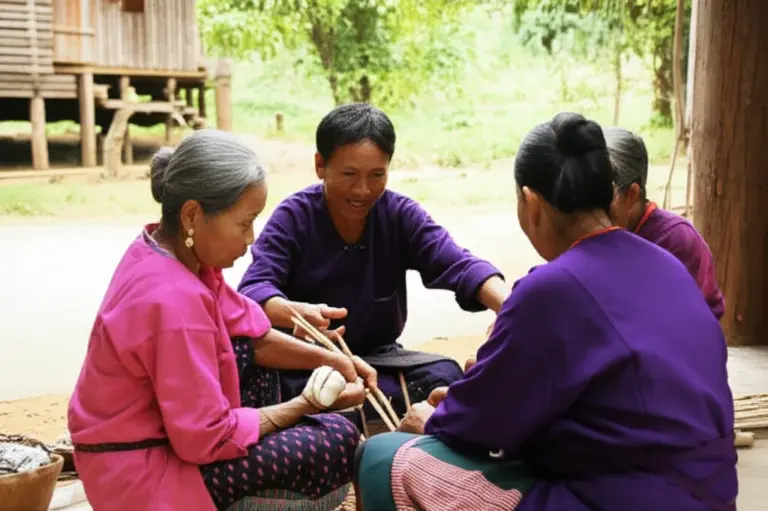
- Cultural Exchange: Travelers get to experience authentic village life, participate in traditional activities like rice farming (Living Land Farm in Luang Prabang) [23], cooking classes, or handicraft workshops, fostering a deeper appreciation for Lao culture. [15]
- Pride and Valorization: When traditions, crafts, and local knowledge are valued by visitors, it instills a sense of pride within the community, encouraging younger generations to maintain and pass on their heritage. [2]
- Environmental Conservation: Many CBT initiatives are intertwined with ecotourism, motivating villagers to conserve their natural environment, which is often integral to their cultural identity and provides the backdrop for their traditional way of life. For instance, in Nam Et-Phou Louey National Park, ecotourism has shifted communities from hunting to wildlife conservation. [11]
Types of Community-Based Tourism Experiences in Laos
Laos offers a variety of CBT experiences, allowing travelers to choose the level of immersion that suits them:
| Experience Type | Description | Example Location(s) |
|---|---|---|
| Homestays | Staying with a local family provides an intimate glimpse into daily life, traditional meals, and cultural practices. | Ban Nalan (Luangnamtha), Attapeu Province [2, 3] |
| Eco-Trekking & Village Visits | Guided treks through national protected areas, visiting ethnic minority villages, learning about their customs and the local ecosystem. | Nam Ha National Protected Area, Muang Sing, Dong Ampham, Xepian National Protected Areas [3, 6, 20] |
| Handicraft & Workshop Tours | Participating in workshops to learn traditional crafts like weaving, pottery, or bamboo artistry, directly supporting local artisans. | Luang Prabang (e.g., Living Land Farm for rice farming) [15, 23] |
| Culinary Experiences | Learning to cook traditional Lao dishes with local ingredients, often in a village setting. | Luang Prabang (riverside eateries hosting Lao-themed evenings) [15] |
How to Be a Responsible CBT Traveler
To maximize your positive impact when engaging in Community-Based Tourism in Laos, consider the following:
- Choose Reputable Operators: Look for tour companies that explicitly state their commitment to CBT principles and fair trade practices.
- Respect Local Customs: Dress modestly, especially when visiting temples or villages. Ask for permission before taking photos of people. Learn a few basic Lao phrases.
- Buy Local: Purchase handicrafts and souvenirs directly from the producers in villages. This ensures your money directly benefits them. [15]
- Be Mindful of Your Footprint: Minimize waste, conserve water and energy, and stick to designated trails during treks.
- Engage and Learn: Be open to interacting with locals, asking questions, and learning about their way of life. Your curiosity and respect are highly valued.
Challenges and Considerations for CBT in Laos
While CBT offers immense potential, it’s not without its challenges. These often include the need for enhanced skills and knowledge among villagers in tourism management, marketing, and service delivery. [2] Additionally, ensuring equitable distribution of benefits and genuine community participation in decision-making are ongoing efforts. [10] External factors like inadequate infrastructure, limited coordination between public and private sectors, and the impacts of global events (like the COVID-19 pandemic) also pose hurdles. [4, 12] However, organizations and government initiatives are continuously working to strengthen the capacity of communities and foster sustainable tourism development across the country. [3, 4, 19]
The Future of Sustainable Tourism in Laos
Laos is actively promoting sustainable tourism as a key driver for its future. The government’s National Tourism Development Plan 2021-2025 emphasizes developing sustainable, environmentally friendly, and uniquely Lao tourism products, while minimizing adverse effects on local communities and the environment. [19] The focus is on integrating tourism with regional and global efforts to lift people out of poverty. As the country recovers from the pandemic, there’s a renewed push to offer more immersive experiences, such as cooking classes and handicraft workshops, and to improve digital outreach to attract conscious travelers. [15] Your choice to engage in responsible travel, particularly Community-Based Tourism in Laos, is crucial in shaping this sustainable future.
คำถามที่พบบ่อย (FAQ)
References
- Community-Based Tourism in the Lao PDR: An Overview – LAD [2]
- Laos Ecotourism Projects – Ecotourism Laos [3]
- Enabling Sustainable Tourism Destination Development in the Lao PDR – Swisscontact [4]
- SUSTOUR Laos Project – Promoting Sustainable Tourism – SWITCH-Asia [5]
- NAM HA ECOTOURISM PROJECT – Equator Initiative [6]
- SUSTOUR Laos › GRANTS PROGRAMME – SWITCH-Asia [7]
- Laos Community Based Tourism ” Laos CBT” [9]
- Is Community-Based Tourism beneficial to local communities? – Research Commons [10]
- Ecotourism positively impacts almost everyone – Vientiane Times [11]
- Lao PDR’s Tourism COVID-19 Recovery Roadmap – UNDP [12]
- Developing Nature-Based Tourism as a Strategic Sector for Green Growth in Lao PDR – World Bank [14]
- Back in Business: How Tourists Are Reviving Laos’ Hotels, Restaurants, Communities – Laotian Times [15]
- Lao Tourism and Poverty Alleviation: Community-Based Tourism and the Private Sector – ResearchGate [16]
- Report on Tourism Statistics of Lao PDR [17]
- Current Situation and Impact of Tourism Development in Luang Prabang, Laos – ResearchGate [18]
- 2020 Statistical Report on Tourism in Laos [19]
- LAOS TRAVEL (2024) | 10 Beautiful Places To Visit In Laos – YouTube [20]
- 10 Incredible Things To Do In & Around Luang Prabang – YouTube [23]
- What is Community-Based Tourism (CBT) in Laos and Why it Matters for Local Development and Cultural Preservation
- How to choose responsible CBT experiences in Laos: certifications, ethical operators, and red flags to avoid
- What to expect on a CBT visit: typical activities, accommodation standards, cultural etiquette, and how to prepare