Where to Watch: Best Trails, Wetlands, and Viewing Stations — specific locations, accessibility, and recommended routes
- Where to Watch: Best Trails, Wetlands, and Viewing Stations — specific locations, accessibility, and recommended routes
Welcome to the heart of Indochina! Laos, often called the ‘Land of a Million Elephants,’ offers unparalleled opportunities for nature lovers seeking pristine wilderness. For the discerning traveler keen on wildlife observation, knowing Where to Watch: Best Trails, Wetlands, and Viewing Stations — specific locations, accessibility, and recommended routes is crucial for a rewarding experience. This guide provides expert insight into Laos’s top ecological hotspots, ensuring your journey into its biodiversity is both accessible and memorable.
The Importance of Ecotourism in Laos
Laos is rapidly emerging as a leading destination for responsible ecotourism. Its protected areas—National Biodiversity Conservation Areas (NBCAs)—are vital sanctuaries for endangered species, including the recently discovered Saola and numerous endemic bird species. Understanding the best viewing locations allows tourists to support local conservation efforts while minimizing ecological impact. Expertise in navigating these areas is key to success.
Selecting Your Prime Observation Time
The best time for wildlife viewing generally aligns with the dry season (October to April). However, specific activities dictate timing:
- Bird Migration: Late October to early March offers peak migratory bird activity, especially in northern wetlands.
- Mammal Tracking: Early morning (dawn) and late afternoon (dusk) are crucial, as large mammals are most active during cooler hours.
- Accessibility Check: Always confirm road conditions with local guides, as heavy rains can render remote trails impassable.
Prime Locations: Where to Watch: Best Trails, Wetlands, and Viewing Stations
To truly answer Where to Watch: Best Trails, Wetlands, and Viewing Stations, we must focus on three distinct geographical regions offering varied ecosystems.
1. Northern Laos: The Highlands and Forests (Luang Namtha & Oudomxay)
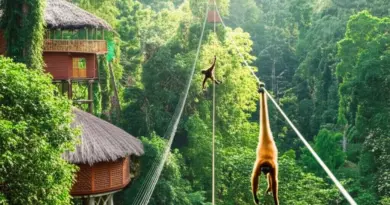
The Northern Highlands are renowned for trekking and observing forest-dwelling primates and rare birds. The Nam Ha National Protected Area (NBCA) is the epicenter here.
- Location: Nam Ha NBCA, starting from Luang Namtha town.
- Focus: Asiatic Black Bears, various gibbon species, and hornbills.
- Accessibility: Requires hiring a certified local guide from the Luang Namtha Provincial Tourism Department. Trails are strenuous, requiring good physical fitness.
- Viewing Station Tip: Ask your guide to lead you to established canopy observation points used by local researchers—these offer superior vantage points.
2. Central Laos: Riverine Ecosystems and Wetlands (Bokeo & Bolikhamxai)
This region is critical for wetland birdlife, especially near the Mekong River tributaries.
While often focused on large mammal research, the waterways around the massive hydropower reservoir provide excellent birdwatching, particularly for waders and water fowl.
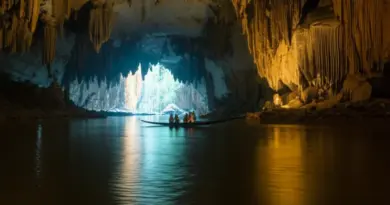
- Trail Type: Boat-based excursions along the reservoir edges.
- Accessibility: Moderate. Requires pre-arranged boat transport from the community tourism centers near the park periphery.
- Viewing Tip: Use quiet, non-motorized boats when possible to avoid scaring away sensitive species.
3. Southern Laos: The Mekong Floodplains and Karst Landscapes (Champasak & Savannakhet)
The south is arguably the most famous birding destination due to the Mekong’s seasonal floodplains.
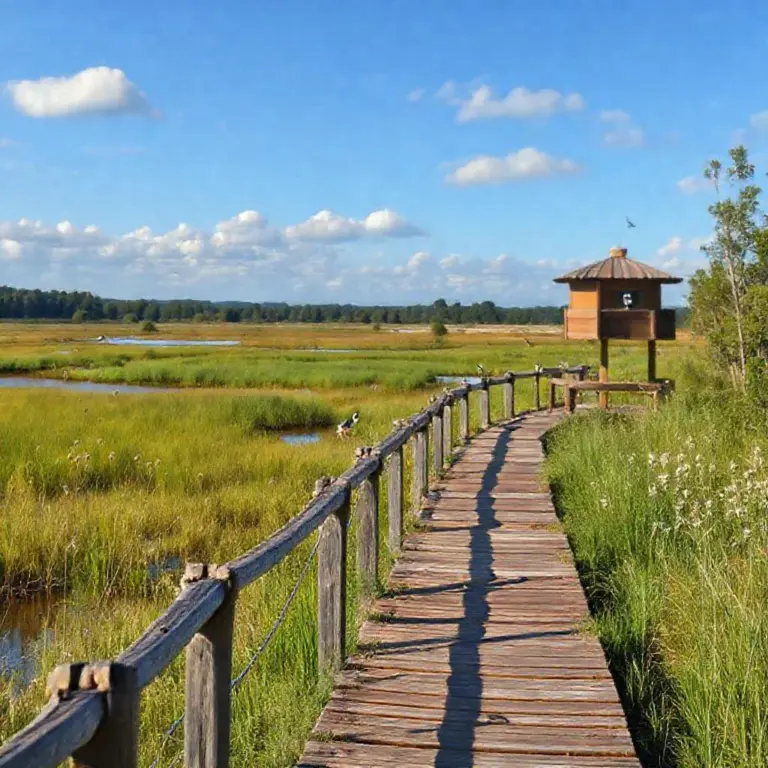
This area is vital for globally threatened waterbirds, including the critically endangered Giant Ibis. This location definitively answers Where to Watch: Best Trails, Wetlands, and Viewing Stations for serious ornithologists.
For an immersive, albeit challenging, experience, consider the trails leading into the Xe Bang Nouan wetlands, though local guidance is mandatory.
Accessibility and Responsible Viewing Protocols
Ensuring sustainable tourism requires adherence to strict accessibility and ethical viewing practices. While some main tourist routes are relatively easy, deep wilderness viewing demands preparation.
Trail Difficulty and Infrastructure
Infrastructure outside major hubs like Luang Prabang is minimal. Expect unpaved roads, basic lodging, and reliance on 4×4 vehicles for remote access.
| Region | Typical Trail Grade | Required Gear |
|---|---|---|
| Luang Namtha | Strenuous (Steep Ascent) | Sturdy Boots, Water Filter |
| Nakai-Nam Theun | Easy (Boat Travel) | Sun Protection, Insect Repellent |
| Xe Sap Wetlands | Moderate (Muddy/Uneven) | Waders or Waterproof Boots |
Ethical Viewing Guidelines
To maintain the integrity of these fragile environments, always adhere to these principles:
- Never feed wild animals.
- Maintain a respectful distance; use binoculars or telephoto lenses.
- Stay on marked trails to prevent habitat disturbance.
- Support community-based tourism enterprises, as they are directly invested in conservation.
Essential Gear Checklist for Wildlife Spotting in Laos
Preparation is paramount when exploring the best trails. Here is a quick checklist based on expert recommendations:
- High-quality binoculars (8×42 or 10×42 recommended).
- Waterproof, breathable outer layers (weather changes rapidly in the highlands).
- Headlamp with a red-light setting (to protect night vision).
- A reliable local map or GPS device (cell service is non-existent in NBCAs).
- Vaccinations and necessary prophylaxis for tropical environments.
By respecting the landscape and utilizing informed routes, your search for Where to Watch: Best Trails, Wetlands, and Viewing Stations will yield unforgettable encounters with Laos’s incredible natural heritage.
References
คำถามที่พบบ่อย (FAQ)
Find quick answers to common queries about wildlife viewing in Laos.
What is the most accessible location for birdwatching in Laos?
The wetlands surrounding the Xe Sap NBCA in Champasak province are generally the most accessible for dedicated birdwatching, especially during the dry season, though guided tours are highly recommended.
Can I trek in the National Biodiversity Conservation Areas (NBCAs) without a guide?
No. For safety, legal compliance, and effective conservation, hiring a government-certified local guide is mandatory for almost all trails within the NBCAs, particularly in areas like Nam Ha.
Are there specific trails dedicated to spotting the rare Saola?
The Saola is exceptionally rare and sightings are nearly impossible for tourists. Trails in the Annamite Mountains (bordering Vietnam, accessible via Central Laos) are where researchers focus, but tourist access is severely restricted to protect the species.
What is the best way to book a viewing tour?
It is best to book through reputable tour operators in Vientiane or Pakse, or directly through the local community tourism offices in towns like Luang Namtha, which ensures fees directly benefit the local communities managing the conservation areas.
- Birdwatching in Xe Pian National Protected Area: What You Can Spot and How to Plan Your Visit
- Where Xe Pian Is and Why It’s a Top Spot for Birdwatching — habitats, seasons, and best times to go
- Iconic and Rare Birds You Might See — species list with identifying features and rarity status (e.g., Sarus Crane, Bengal Florican)