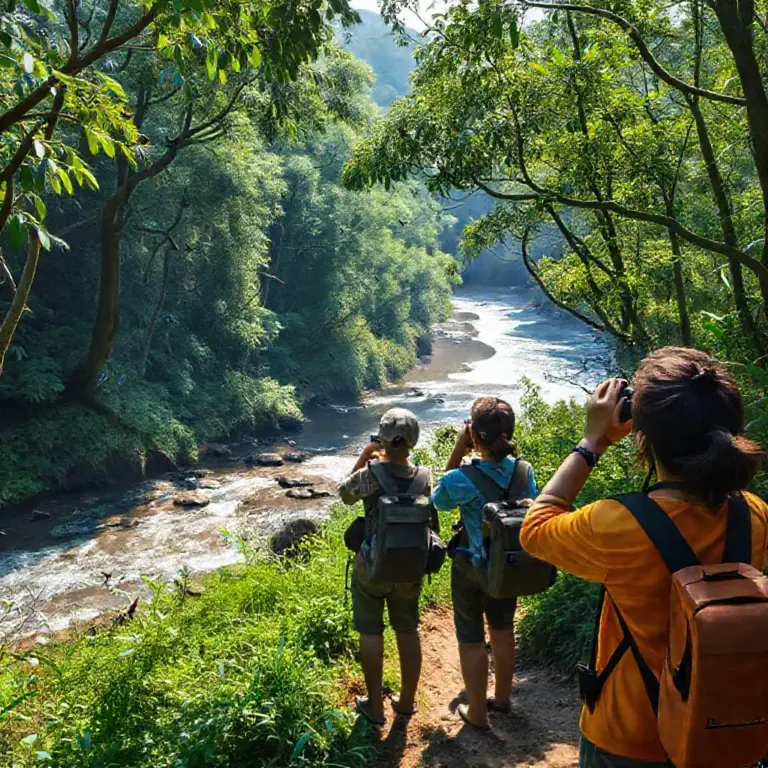
Birdwatching in Xe Pian National Protected Area: What You Can Spot and How to Plan Your Visit
- Birdwatching in Xe Pian National Protected Area: What You Can Spot and How to Plan Your Visit
Laos, often overlooked for its more famous neighbors, harbors one of Southeast Asia’s most significant and least-disturbed ecological treasures: the Xe Pian National Protected Area (NPA). For the dedicated birder, this wetland complex in Champasak Province is nothing short of a paradise. Planning your trip for Birdwatching in Xe Pian National Protected Area requires specialist knowledge, but the rewards—seeing rare species found nowhere else—are immeasurable. This guide, crafted for the discerning Laos tourism enthusiast, details the key species, best times to visit, and essential planning logistics.
Understanding the Ecological Significance of Xe Pian
Xe Pian NPA is a vast mosaic of seasonally flooded grasslands, swamp forests, and riverine habitats, primarily situated near the Mekong River system in Southern Laos. This unique combination of wetland and dry forest makes it a critical stopover and breeding ground for migratory and resident bird species. Its designation as a Key Biodiversity Area (KBA) underscores its global importance. Expertise in this region shows that the health of the Xe Pian ecosystem directly correlates with water management and seasonal flooding patterns.
The Prime Habitat Zones
To maximize your sightings, understanding the different habitat zones within the NPA is crucial:
- Permanent Wetlands: Home to wading birds, rails, and jacanas. Look for deep water species here.
- Seasonal Grasslands: Critical for large ground birds and bustards during the dry season when water recedes.
- Gallery Forest Patches: Essential for forest raptors, barbets, and pittas.
- Mekong River Edges: Excellent for kingfishers and riverine specialists.
Avian Stars: What You Can Spot in Xe Pian
The main draw for Birdwatching in Xe Pian National Protected Area is the presence of several globally threatened or near-threatened species. Patience and a good guide are key to locating these elusive residents.
Globally Important Species
These species are often the primary targets for international birders visiting the region:
- Giant Ibis (Thaumatibis gigantea): The national bird of Cambodia, but sightings in Xe Pian are highly significant. Look in damp, undisturbed areas.
- White-shouldered Ibis (Pseudibis davisoni): Critically endangered; often found foraging alone in flooded fields.
- Dalmatian Pelican (Pelecanus crispus): While sometimes seen migrating through, large congregations are a spectacular sight on the larger water bodies.
- Bangweolo Seedeater (formerly known as the near-threatened endemic subspecies of Yellow-breasted Bunting in the region): Though identification can be complex and subject to taxonomic review, unique bunting species are present.
Wetland and Grassland Specialties
Beyond the Ibises, the sheer volume of waterbirds is staggering:
- Greater Adjutant Stork: Impressive scavengers often seen soaring or standing near water edges.
- Various Rails and Crakes: Including Baillon’s Crake and Ruddy-breasted Crake, requiring careful listening skills.
- Pheasants and Partridges: Depending on the specific forest edge accessible, look for Siamese Fireback or Scaly-bellied Woodpecker.
Planning Your Visit: When and How to Go
Successful birdwatching in Xe Pian is inextricably linked to the Lao calendar. The timing of your visit dictates which species are present and the accessibility of the habitat.
Best Time of Year
The ideal time balances dry conditions for access with migratory movements:
- Dry Season (November to March): This is generally the peak season. Water levels recede, concentrating waterbirds in smaller pools, making them easier to spot. The weather is cooler, which is more comfortable for long days in the field.
- Wet Season (May to October): Access can be difficult due to muddy roads and high water. However, this is when breeding activity for resident species is highest, and the landscape is lush.
Logistics and Local Support
Xe Pian is not a destination for independent casual visitors. Engaging local expertise is mandatory for safety, access, and maximizing sightings. For the best Birdwatching in Xe Pian National Protected Area experience, consider the following:
- Guides: Hire local guides, ideally those associated with conservation NGOs operating in the area. They possess intimate knowledge of bird territories and water levels.
- Base Camp: Most birders base themselves near the town of **Ban Kiet Ngong**, which sits on the edge of the NPA. Accommodation options range from simple guesthouses to more established resorts near the Bolaven Plateau.
- Transportation: A sturdy 4×4 vehicle is highly recommended, especially outside the main access roads during the transition months.
Locating the Hotspots
While the NPA is extensive, specific areas are known for higher concentrations of key species. Always check current conditions with your guide before venturing out.
| Area Focus | Likely Species Group | Best Approach |
|---|---|---|
| Ban Kiet Ngong Wetlands | Wading Birds, Waterfowl | Early morning survey by boat or foot. |
| Dry Forest Patches (Upland) | Hornbills, Woodpeckers, Raptors | Hiring a local motorbike taxi to reach periphery areas. |
| Flooded Grasslands (Seasonal) | Ibis species, Cranes | Requires local knowledge of current water depth. |
To give you a geographical sense of the area where these incredible sightings occur, here is a general location reference:
Conservation and Responsible Tourism
As an enthusiast of Laos tourism, your visit carries a responsibility to protect this fragile environment. The threats to Xe Pian—habitat loss due to agricultural expansion and unsustainable water usage—are real. Always adhere to the following ethical guidelines:
- Maintain a respectful distance from all wildlife, especially nesting or foraging Ibis.
- Never use playback recordings excessively, as this stresses shy species.
- Support local eco-tourism initiatives financially; your fees directly contribute to local conservation efforts and provide sustainable livelihoods.
- Carry out all trash and leave no trace.
Birdwatching in Xe Pian National Protected Area offers a unique window into Southeast Asian biodiversity that few other locations can match. By planning carefully and prioritizing ethical engagement, your trip will be both successful and supportive of vital conservation work in Southern Laos.
คำถามที่พบบ่อย (FAQ)
Here are answers to common questions regarding visiting this crucial birding site.
References
BirdLife International Conservation Information
Official Laos National Tourism Portal (Placeholder Link)
- Where Xe Pian Is and Why It’s a Top Spot for Birdwatching — habitats, seasons, and best times to go
- Iconic and Rare Birds You Might See — species list with identifying features and rarity status (e.g., Sarus Crane, Bengal Florican)
- Where to Watch: Best Trails, Wetlands, and Viewing Stations — specific locations, accessibility, and recommended routes