Overview of Tham Kong Lor and Vang Vieng Karst Landscapes: geology, history, and why these caves matter for tourism and biodiversity
- Overview of Tham Kong Lor and Vang Vieng Karst Landscapes: geology, history, and why these caves matter for tourism and biodiversity
- The Geological Marvel: Understanding Laos’ Karst Topography
- Spotlight on Tham Kong Lor: The Underground River Experience
- Vang Vieng: The Iconic Karst Playground
- Biodiversity Hotspots: The Ecological Importance of these Karst Systems
- Conservation Challenges and Sustainable Tourism
- Why Tham Kong Lor and Vang Vieng Karst Landscapes Matter for Laos
- คำถามที่พบบ่อย (FAQ)
Laos, often called the ‘Land of a Million Elephants,’ hides geological treasures beneath its lush surface, most notably its dramatic karst topography. Among the crown jewels of this natural heritage are the expansive cave systems surrounding Vang Vieng and the majestic Tham Kong Lor Cave in Khammouane Province. Understanding the **Tham Kong Lor and Vang Vieng Karst Landscapes** is crucial for appreciating the depth of Laotian natural history and its modern significance for global ecotourism. These limestone formations are not just scenic backdrops; they are active geological sites, historical refuges, and critical ecosystems deserving of careful stewardship.
The Geological Marvel: Understanding Laos’ Karst Topography
The dramatic scenery defining both Vang Vieng and the region around Kong Lor is the result of millions of years of dissolution of carbonate rock. Karst landscapes are characterized by underground drainage systems such as sinkholes, caves, and subterranean rivers, formed when slightly acidic rainwater infiltrates soluble bedrock, typically limestone (calcium carbonate).
Formation of Limestone Giants
The bedrock in these regions dates back hundreds of millions of years. The tropical climate of Laos accelerates the chemical weathering process. Over geological timescales, water flowing through fissures widened these cracks, creating massive caverns. In Vang Vieng, this process has sculpted towering, near-vertical limestone peaks (pinnacles) that rise abruptly from the plains, creating a visually stunning, almost alien landscape.
The Role of Water and Time
The defining feature connecting many major cave systems, including the famous Kong Lor, is the presence of active water flow. The Nam Hinboun River, for instance, has carved its path through the mountain, creating a navigable waterway that is central to the experience of exploring Tham Kong Lor. This continuous hydrological activity means the geology is still evolving, albeit slowly, with new formations like stalactites and stalagmites constantly being deposited.
Spotlight on Tham Kong Lor: The Underground River Experience
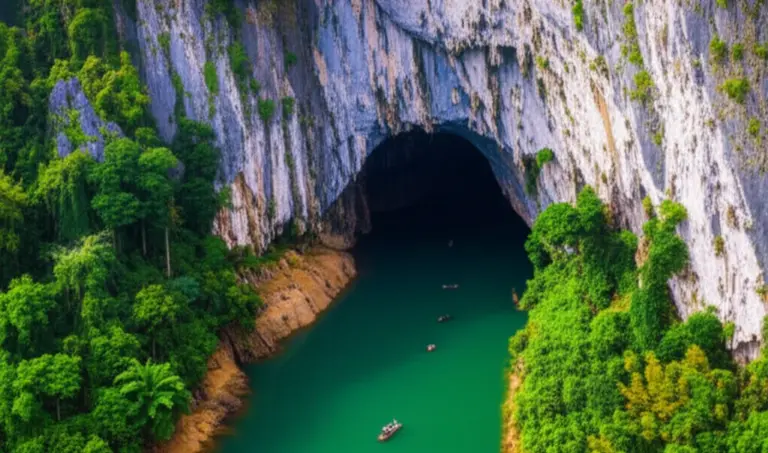
Tham Kong Lor, located within the Phu Hinboun National Protected Area, is perhaps the most celebrated example of Laos’ subterranean waterways. Extending for approximately 7.5 kilometers, it is one of the longest dry and wet caves in the world navigable by boat. Its scale is breathtaking, featuring cathedral-like chambers adorned with immense stalactites and stalagmites.
History and Local Significance
For the local communities, such as those in Ban Kong Lor village, the cave has always been more than a tourist attraction; it is a vital part of their environment and history. Historically, caves provided shelter during times of conflict, particularly during the Second Indochina War. Today, the local cooperative manages the boat tours, ensuring that tourism revenue directly benefits the community and incentivizes conservation efforts.
Tourism Logistics and Accessibility
Accessing Tham Kong Lor requires a journey, usually from Thakhek, which adds to its appeal as an authentic adventure destination. Visitors travel by long-tail boat, guided by local boatmen, through the dark, cool passages. The experience is immersive, requiring headlamps to fully appreciate the scale of the formations, culminating in an exit on the other side of the mountain.
Vang Vieng: The Iconic Karst Playground
Vang Vieng’s reputation has evolved significantly over the past two decades. While once known primarily for river tubing, the focus has rightfully shifted toward its geological wonders. The sheer cliffs and surrounding rice paddies create a stunning contrast, offering myriad opportunities for climbing, trekking, and exploring accessible caves.
Key Caves and Attractions
Two of the most visited sites illustrate the diversity here:
- Tham Phu Kham (Blue Lagoon Cave): Home to a revered Buddha statue and a stunning turquoise pool fed by underground springs.
- Tham Chang: A historically significant cave offering panoramic views of the town and river, used as a refuge during wartime.
Evolving Tourism: From Party Scene to Ecotourism
Following government efforts to curb irresponsible tourism, Vang Vieng is successfully rebranding as an adventure and ecotourism hub. This shift directly benefits the preservation of the fragile karst ecosystems, encouraging activities that respect the natural environment over high-impact recreation. The focus is now on responsible trekking, kayaking, and multi-day cave exploration.
Biodiversity Hotspots: The Ecological Importance of these Karst Systems
The isolated, stable conditions within these massive cave networks create unique microclimates essential for specialized life forms. The **Tham Kong Lor and Vang Vieng Karst Landscapes** serve as crucial refugia for endemic and rare species.
Unique Cave Fauna and Flora
Caves often harbor troglobites—animals adapted entirely to life in darkness. Laos’ caves are home to various species of bats, blind fish, and specialized invertebrates. Protecting the water sources that feed these caves, like the rivers flowing through Kong Lor, is paramount to maintaining this delicate subterranean biodiversity. Furthermore, the surrounding limestone forests host unique plant life adapted to nutrient-poor, rocky soils.
Conservation Challenges and Sustainable Tourism
While tourism drives local economies, it also poses threats. Littering, unauthorized exploration, and habitat disturbance can damage delicate speleothems and disrupt bat colonies. Sustainable management, often involving local community participation, as seen in Kong Lor, is the primary defense against degradation. Strict regulations regarding light usage inside deep caves are essential to protect light-sensitive fauna.
To illustrate the sheer scale of the water systems involved, here is an embedded view showcasing the environment surrounding these limestone formations.
Why Tham Kong Lor and Vang Vieng Karst Landscapes Matter for Laos
These geological areas are vital pillars of Laos’ national identity and its future economic stability. They offer unparalleled opportunities for geological research, attracting scientists interested in tropical karst processes. For tourism, they provide the core adventure offering that draws international visitors seeking experiences beyond typical beach holidays. The commitment to preserving the **Tham Kong Lor and Vang Vieng Karst Landscapes** ensures that Laos remains a premier destination for responsible, nature-focused travel.
| Feature | Primary Location | Key Activity |
|---|---|---|
| Navigable Underground River | Tham Kong Lor | Boat Exploration |
| Towering Limestone Pinnacles | Vang Vieng | Rock Climbing & Trekking |
| Blue Lagoon Springs | Vang Vieng (Tham Phu Kham) | Swimming & Relaxation |
คำถามที่พบบ่อย (FAQ)
How long does it take to explore Tham Kong Lor Cave by boat?
The full boat trip through Tham Kong Lor Cave typically takes between 1.5 to 2 hours round trip, depending on the water level and how much time is spent observing the interior formations.
Is Vang Vieng safe for adventure tourism now?
Yes, Vang Vieng has significantly improved its safety standards and shifted its focus toward regulated ecotourism activities like kayaking, responsible trekking, and climbing, making it much safer than in previous years.
What is the main geological difference between the Vang Vieng and Kong Lor areas?
Vang Vieng is characterized by sharp, isolated limestone towers rising from flat plains, while the Kong Lor area features massive, continuous mountain massifs carved through by a major subterranean river.
Are there opportunities for cave diving in Laos?
While deep exploration is ongoing, most tourist caves like Tham Kong Lor are managed for surface-level boat tours. Specialized, highly regulated expeditions are sometimes permitted for scientific or extreme adventure diving, but this is not generally accessible to standard tourists.
References
Geological Survey of Southeast Asian Karst Systems
Laos National Tourism Administration Ecotourism Guidelines
Biodiversity Reports on Khammouane Protected Areas
- Caving Adventures: Exploring Tham Kong Lor and Vang Vieng’s Karst Systems — Ultimate Guide for Explorers and Conservationists
- Planning Your Trip: best seasons, guided tours, safety tips, permits, and local operator recommendations for Tham Kong Lor and Vang Vieng cave excursions
- What to Expect Inside: cave formations, river passages, wildlife encounters, photography tips, and interpreting karst features for travelers