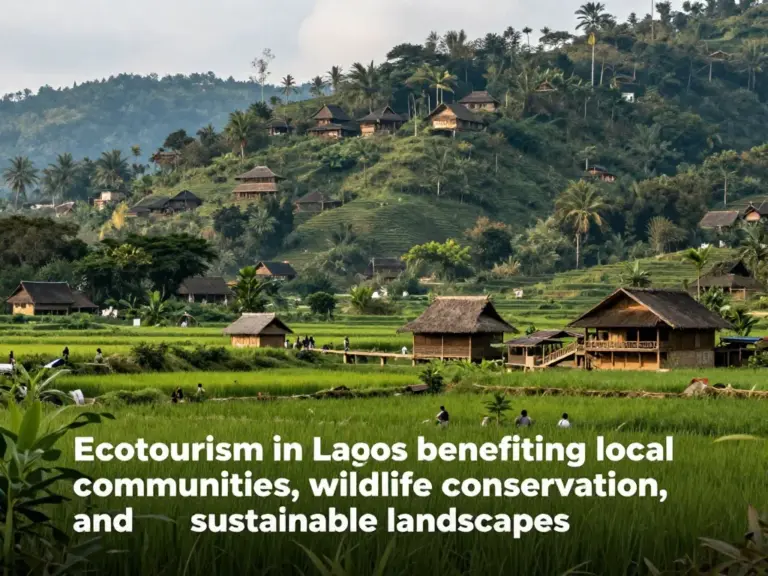
Why Ecotourism in Laos Matters: Benefits for Communities, Wildlife, and Conservation
Laos, often referred to as the ‘Jewel of the Mekong,’ is a land-locked nation defined by its rugged mountains, lush jungles, and vibrant cultural heritage. In recent years, the landscape of Laos Tourism has shifted significantly toward sustainability. Ecotourism in Laos is not just a travel trend; it is a vital mechanism for preserving the country’s unique identity while fostering economic growth that respects both nature and people.
The Economic Impact on Local Communities
One of the primary reasons ecotourism matters is its ability to provide direct financial benefits to rural communities. Unlike traditional mass tourism, where profits often leak out to international corporations, community-based ecotourism (CBET) ensures that the revenue stays within the village. By offering homestays, guided trekking tours, and local handicraft workshops, villagers gain a sustainable livelihood that reduces their reliance on destructive practices like illegal logging or wildlife poaching.
| Benefit Type | Description |
|---|---|
| Direct Income | Payments for accommodation, food, and guiding services. |
| Skill Development | Training in hospitality, English language, and management. |
| Infrastructure | Reinvestment of tourism fees into village schools and clinics. |
Wildlife Protection and Biodiversity Conservation
Laos is home to some of Southeast Asia’s most endangered species, including the Asian elephant, the clouded leopard, and the rare Saola. Ecotourism creates a financial incentive for conservation. When a living elephant is worth more to a community as a tourist attraction than it is for its ivory or labor, the community becomes the wildlife’s fiercest protector. National Protected Areas (NPAs) across Laos rely on ecotourism fees to fund ranger patrols and habitat restoration projects.
Projects such as the Nam Et-Phou Louey Night Safari have received international acclaim for their ‘conservation linkage’ model. In this system, the amount of money a village receives is directly tied to the number of wildlife sightings, encouraging locals to actively stop poaching within the protected zone.
Preserving the Cultural Fabric of Laos
Authentic Laos Tourism experiences allow visitors to engage deeply with the diverse ethnic groups of the country. Ecotourism promotes the preservation of traditional knowledge, from ancient weaving techniques to sustainable agricultural practices. By valuing these traditions, younger generations are encouraged to maintain their cultural heritage rather than migrating to urban centers for low-skilled labor.
Challenges and the Path Forward
While the benefits are clear, ecotourism requires careful management to avoid ‘greenwashing’ and environmental degradation. The Lao government and various NGOs are working together to set strict standards for eco-lodges and tour operators. Travelers also play a crucial role by choosing certified operators and respecting local customs and environmental guidelines.
คำถามที่พบบ่อย (FAQ)
What is the best time to visit Laos for ecotourism?
The best time is during the dry season, from November to February, when the weather is cool and trails are accessible for trekking and wildlife viewing.
How does my visit help wildlife in Laos?
A portion of your tour fees often goes directly toward conservation funds that pay for forest rangers and community incentives to stop illegal hunting.
Are homestays in Laos comfortable?
Homestays provide basic but clean and authentic accommodation. They offer a unique opportunity to experience Lao hospitality and culture firsthand while supporting the local economy.
Is ecotourism more expensive than regular travel?
While some specialized tours may have a higher price tag due to small group sizes and expert guides, the costs are often comparable to standard tours, with the added value of knowing your money supports ethical causes.
Where can I find ethical elephant experiences?
Look for sanctuaries that focus on observation and rehabilitation rather than riding or performance, such as the Elephant Conservation Center in Sayaboury.