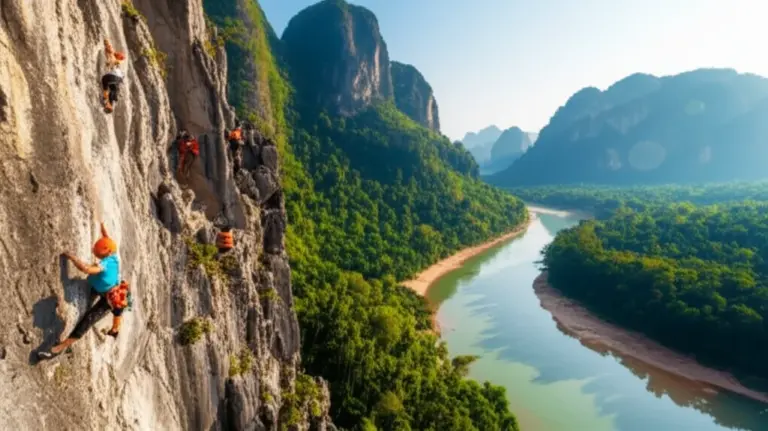
Why Vang Vieng and Nong Khiaw Are Laos’ Top Rock Climbing Destinations: Scenery, Seasonality, and Best Times to Visit
- Why Vang Vieng and Nong Khiaw Are Laos’ Top Rock Climbing Destinations: Scenery, Seasonality, and Best Times to Visit
Laos, the landlocked jewel of Southeast Asia, is quickly cementing its reputation as a haven for adventure travelers. While tubing and trekking have long drawn visitors, the vertical challenge presented by its dramatic limestone mountains—or karst formations—has elevated two specific locations into Laos’ Top Rock Climbing Destinations: Vang Vieng and Nong Khiaw. These areas offer distinct yet equally breathtaking climbing experiences, characterized by world-class routes, stunning natural scenery, and a unique blend of accessibility and remoteness. Understanding the seasonality is key to planning the perfect trip to scale these incredible faces.
Expert Insight: The geology of Laos, dominated by towering karst peaks, provides perfect, highly textured limestone for sports climbing, attracting enthusiasts from around the globe.
The Allure of Karst: Why Vang Vieng Reigns Supreme
Vang Vieng, located midway between Vientiane and Luang Prabang, is arguably the most famous climbing hub in Laos. Its transformation from a backpacker party town to a legitimate adventure sports center has been driven largely by the development of professionally bolted routes on the spectacular cliffs surrounding the Nam Song River valley. The accessibility and sheer volume of routes make it a perfect entry point for climbers of all skill levels.
Vang Vieng Climbing: Routes and Accessibility
The climbing scene here is centered around several major crags, the most famous being the area managed by the Green Climbers Home. This location offers hundreds of routes ranging from easy 4s and 5s, ideal for novices learning the ropes, up to challenging 8a+ multi-pitches. The convenience of Vang Vieng is unmatched: many routes are just a short scooter ride or tuk-tuk journey from the town center.
-
Proximity to Town
High -
Route Density
Very High -
Beginner Friendliness
Excellent
Vang Vieng provides excellent training opportunities, with numerous certified guides and established anchor points, making it a safe choice for first-time Southeast Asian climbers.
The Scenery: Limestone Towers and River Views
The scenery in Vang Vieng is the quintessential Laos postcard. Climbers are rewarded with panoramic views of rice paddies stretching to the horizon, intersected by the winding Nam Song River, all framed by those iconic, jungle-covered limestone towers. The natural beauty here enhances the climbing experience, turning every belay ledge into a spectacular viewpoint.
Nong Khiaw: Northern Laos’ Undiscovered Vertical Playground
Located several hours north of Luang Prabang, Nong Khiaw offers a stark contrast to Vang Vieng’s lively atmosphere. This peaceful village, nestled on the banks of the Nam Ou River, is increasingly recognized for its challenging and dramatic climbing routes. It caters more to the intermediate and advanced climber seeking solitude and longer, more demanding ascents.
Multi-Pitch Majesty: Challenging Climbs in Nong Khiaw
Nong Khiaw’s routes are famous for their height and exposure. The crags here often feature multi-pitch routes, requiring greater technical skill and endurance. The most notable area, Pha Hon Kham, offers routes that ascend hundreds of meters, providing a true wilderness climbing feel. The focus here is less on high-density sport climbing and more on adventurous, rewarding vertical journeys.
Climbing in Nong Khiaw often requires a slightly higher level of self-sufficiency and experience compared to Vang Vieng, as facilities are more spread out and the routes are generally longer and more remote.
A Cooler Climate and Quieter Experience
Due to its northern latitude, Nong Khiaw often benefits from slightly cooler temperatures, especially during the peak climbing season. This, combined with the village’s tranquil pace of life, provides a deeply immersive travel experience. Climbers here often find themselves sharing the crag only with local guides, offering a genuine sense of exploration that is becoming rare in popular climbing spots.
To better visualize the dramatic karst landscapes that define these regions, watch this short clip showcasing the unique topography that makes Laos a climbing paradise:
Seasonality and Planning Your Laos Climbing Trip
The success of a climbing trip to Laos’ Top Rock Climbing Destinations hinges entirely on timing. Laos experiences a tropical monsoon climate, which dictates the optimal window for scaling its limestone cliffs.
The Dry Season Advantage: Best Time to Visit
The best time to visit Laos for rock climbing is during the **dry season**, which typically runs from **November through March**. During this period:
| Month | Conditions | Climbing Suitability |
|---|---|---|
| Nov – Feb | Coolest, lowest humidity, little to no rain. | Excellent (Peak Season) |
| Mar – Apr | Hot and dry, increasing temperatures. | Good, but requires early morning starts. |
| May – Oct | Wet season, high humidity, heavy rainfall. | Poor (Slippery, wet holds, dangerous) |
Climbing during the wet season (May to October) is strongly discouraged. The high humidity makes the rock slimy, holds become slick, and the frequent downpours can make routes inaccessible or dangerous due to rapid water runoff.
What to Pack and Local Guides
While both Vang Vieng and Nong Khiaw have local outfitters, bringing your own shoes, harness, and chalk bag is always recommended for comfort and familiarity. Crucially, always hire local guides or consult established climbing schools when attempting new routes, especially in the more remote areas of Nong Khiaw. They possess invaluable knowledge regarding route conditions, bolting integrity, and local weather patterns, ensuring safety and supporting the local tourism economy.
Comparing the Experience: Vang Vieng vs. Nong Khiaw
Choosing between these two incredible destinations depends entirely on your travel style and climbing goals. Vang Vieng offers convenience, a social atmosphere, and high-quality beginner routes. Nong Khiaw provides an authentic, remote adventure with longer, more technical climbs set against a backdrop of unparalleled Northern Laos tranquility. Both, however, secure their place among Laos’ Top Rock Climbing Destinations.
Destination Comparison
Vang Vieng
- Focus: Sport climbing, top-roping, accessible single-pitch.
- Vibe: Social, established infrastructure, easy logistics.
- Best For: Beginners, intermediate climbers, social travelers.
Nong Khiaw
- Focus: Multi-pitch, traditional routes, high exposure.
- Vibe: Quiet, remote, deep natural immersion.
- Best For: Advanced climbers, wilderness seekers, experienced travelers.
Regardless of which destination you choose, the spectacular, often vertical, geography of Laos promises a climbing adventure unlike any other in Southeast Asia. Ensure your visit coincides with the dry season to maximize your time on the incredible limestone.
คำถามที่พบบ่อย (FAQ)
The dry season, running from November to March, offers the most favorable conditions with lower humidity and cooler temperatures, minimizing slippery holds and maximizing comfort.
While bringing your own gear is recommended for serious climbers, both Vang Vieng (especially Green Climbers Home) and Nong Khiaw have local shops and guide services that offer high-quality rental equipment.
Yes, Vang Vieng is highly accessible for beginners, offering numerous top-rope routes and excellent instruction from established climbing schools, making it one of the most welcoming climbing spots in Asia.
Travel usually involves a combination of bus or minivan services, often requiring a transfer in Luang Prabang, as they are located in different regions of the country. Allow a full day for the journey.
References
- Climbing Magazine Resources on Asian Destinations
- Green Climbers Home Vang Vieng
- Official Laos Tourism Authority
- Rock Climbing in Laos: The Ultimate Guide to Vang Vieng and Nong Khiaw for Climbers of All Levels
- Choosing Routes and Crags: Beginner to Advanced Climbing Areas, Route Grades, and Recommended Sectors in Vang Vieng and Nong Khiaw
- Practical Planning: How to Get There, Where to Stay, Local Guides, Gear Rental, Permits, and Safety Tips for Climbing in Laos