Choosing Routes and Crags: Beginner to Advanced Climbing Areas, Route Grades, and Recommended Sectors in Vang Vieng and Nong Khiaw
- Choosing Routes and Crags: Beginner to Advanced Climbing Areas, Route Grades, and Recommended Sectors in Vang Vieng and Nong Khiaw
Laos, often overshadowed by its Southeast Asian neighbors, holds a secret paradise for rock climbers: steep, pocketed limestone karsts rising dramatically from rice fields and rivers. The two primary destinations, Vang Vieng and Nong Khiaw, offer contrasting but equally rewarding experiences. Whether you are a first-time beginner or a seasoned lead climber, understanding the specific crags, route grades, and the Recommended Sectors in Vang Vieng and Nong Khiaw is crucial for planning a successful and safe trip. This guide provides the expertise needed to navigate the vertical terrain of Laos.
Understanding Climbing Grades in Laos
The majority of routes in Laos utilize the French numerical grading system (e.g., 5a, 6b, 7c). This system emphasizes technical difficulty and overall physical effort required for a single pitch. For those accustomed to the American YDS system, a quick conversion reference is essential before tying in.
French Grading System Quick Reference
| French Grade | YDS Equivalent (Approx.) | Description |
|---|---|---|
| 4 – 5c | 5.6 – 5.9 | Beginner: Easy movement, large holds, suitable for top-roping practice. |
| 6a – 6c+ | 5.10a – 5.11c | Intermediate: Technical moves, sustained difficulty, good fitness required. |
| 7a – 7c+ | 5.11d – 5.12d | Advanced: Small holds, complex sequences, excellent technique and endurance. |
| 8a+ and up | 5.13a and up | Expert: Highly specialized, often involving steep overhangs or dynos. |
Vang Vieng: The Limestone Playground
Vang Vieng is the epicenter of climbing in Laos, known for its accessibility and density of bolted routes. It is the perfect destination for climbers seeking a social atmosphere and easy logistics. Most crags are located within a short tuk-tuk ride or a pleasant cycle across the Nam Song river.
Beginner Climbers (4 – 5c/5.9)
The absolute best location for beginners is the Green Climbers Home (GC Home) area. This sector is specifically designed to accommodate new climbers and those looking to practice their leading skills on manageable grades. The routes here are meticulously maintained, clearly marked, and offer excellent top-roping opportunities. They offer multiple 5a and 5b routes on slightly less steep walls, ensuring a gentle introduction to the unique sharp limestone of Laos.
Intermediate Climbers (6a – 6c+/5.10a – 5.11c)
Intermediate climbers looking for a challenge will find the Sleeping Wall and the various sectors around the Nam Xay viewpoint highly rewarding. These areas feature longer, more sustained routes that test endurance. The limestone here often transitions into pockets and tufas, requiring precise footwork. The climbing school area near the river also hosts several excellent 6b and 6c routes that are popular for projecting.
Advanced Climbers (7a+ and above)
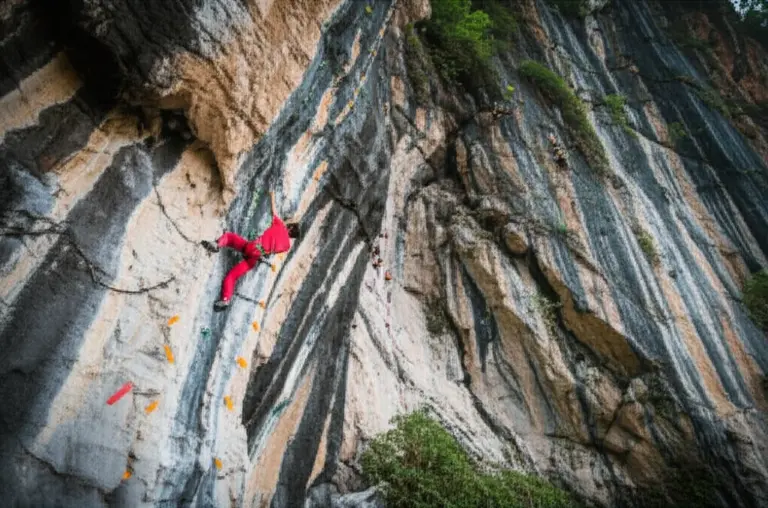
For those pushing the upper limits, the sector known as The Roof is a must-visit. As the name suggests, this area features heavily overhanging routes that demand extreme core strength and powerful movement. These routes are generally well-bolted but require significant commitment. Vang Vieng’s advanced routes often involve dynamic movement between stalactites and flowstone formations.
Nong Khiaw: Off-the-Beaten-Path Adventure
Nong Khiaw, located far north of Luang Prabang, offers a significantly different climbing experience. It is less developed, quieter, and provides a raw, adventurous feel. The climbing here is characterized by massive, soaring walls, making it ideal for those interested in multi-pitch routes and a true escape from the crowds. This area truly defines the remote climbing experience in Laos.
Key Crag: Pha Daeng Peak Area
The primary climbing area surrounds the imposing Pha Daeng Peak. While Vang Vieng is known for steep sport routes, Nong Khiaw offers more vertical to slightly overhanging routes with a focus on technical slab and long endurance pitches. Grades range from 5c to 7b, but the real attraction is the opportunity for multi-pitch climbs that offer breathtaking views of the Ou River valley. Due to the remoteness, self-sufficiency and experienced partners are highly recommended here.
Essential Tips for Climbing in Laos
Weather and Seasonality
The best time for climbing is during the dry season (October to April). During the wet season (May to September), routes can be slick, and the humidity makes climbing significantly harder. Planning your visit for the cooler months around December and January is ideal for maximizing your climbing days.
Safety and Local Ethics
Always respect local customs and land ownership. In Vang Vieng, many crags are managed by climbing centers that ensure safety and maintenance. In both locations, it is vital to check your gear thoroughly, especially if you are renting. The limestone can be sharp, so bring tape and be mindful of your belaying technique to avoid rope damage.
Summary of Recommended Sectors in Vang Vieng and Nong Khiaw
- Vang Vieng (Beginner/Intermediate): Green Climbers Home (GC Home) – Excellent for grades 4 to 6a.
- Vang Vieng (Intermediate/Advanced): Sleeping Wall and The Roof – Focus on steep, technical endurance.
- Nong Khiaw (All Levels/Multi-pitch): Pha Daeng Peak Area – Ideal for adventure and stunning views.
By selecting the appropriate crags based on your skill level and desired experience—from the accessible sport climbing of Vang Vieng to the remote multi-pitch routes of Nong Khiaw—you are set for an unforgettable climbing adventure in the heart of Laos. Remember to hydrate, stay safe, and enjoy the spectacular scenery that this climbing haven offers.
คำถามที่พบบ่อย (FAQ)
References
- General Climbing Safety and Grading Information
- Laos Travel and Tourism Information
- Green Climbers Home Vang Vieng
- Rock Climbing in Laos: The Ultimate Guide to Vang Vieng and Nong Khiaw for Climbers of All Levels
- Why Vang Vieng and Nong Khiaw Are Laos’ Top Rock Climbing Destinations: Scenery, Seasonality, and Best Times to Visit
- Practical Planning: How to Get There, Where to Stay, Local Guides, Gear Rental, Permits, and Safety Tips for Climbing in Laos