What to Expect During Your Stay: Low-Impact Practices, Local Food, Activities like Kayaking and Village Visits
Welcome to the heart of Southeast Asia. When planning your journey through laos tourism, you are stepping into a world where time slows down and nature takes center stage. Laos is increasingly becoming a premier destination for travelers seeking authenticity, tranquility, and a deep connection with local traditions. In this guide, we will explore how to navigate your stay with a focus on sustainability, culinary delights, and immersive outdoor adventures.
Embracing Low-Impact Practices
Sustainability is not just a buzzword in Laos; it is a way of life. To ensure that laos tourism remains vibrant for generations to come, visitors are encouraged to adopt low-impact practices. This includes minimizing plastic waste by using refillable water bottles—many guesthouses now provide filtered water stations. Additionally, choosing eco-friendly lodges that utilize solar power or support local conservation efforts significantly reduces your carbon footprint.
Respecting local customs is another pillar of low-impact travel. This means dressing modestly when visiting temples (covering shoulders and knees) and always asking for permission before taking photos of local people. By being a mindful traveler, you contribute to the preservation of the very beauty you came to see.
Savoring Authentic Local Food
Lao cuisine is a hidden gem of the region, characterized by fresh herbs, spicy chilies, and the ubiquitous sticky rice (Khao Niew). Unlike its neighbors, Lao food often relies on foraging and organic farming. During your stay, expect to enjoy dishes like Larhp (a minced meat salad with lime and herbs) and Tam Mak Hoong (spicy green papaya salad). Eating at local markets or family-run ‘stalls’ not only provides the most authentic flavor but also directly supports the local economy.
| Dish Name | Key Ingredients | Flavor Profile |
|---|---|---|
| Khao Niew | Glutinous Rice | Neutral, Chewy |
| Larhp | Meat/Fish, Mint, Lime | Zesty, Savory |
| Or Lam | Buffalo Skin, Herbs, Eggplant | Earthy, Peppery |
Adventure Awaits: Kayaking and Village Visits
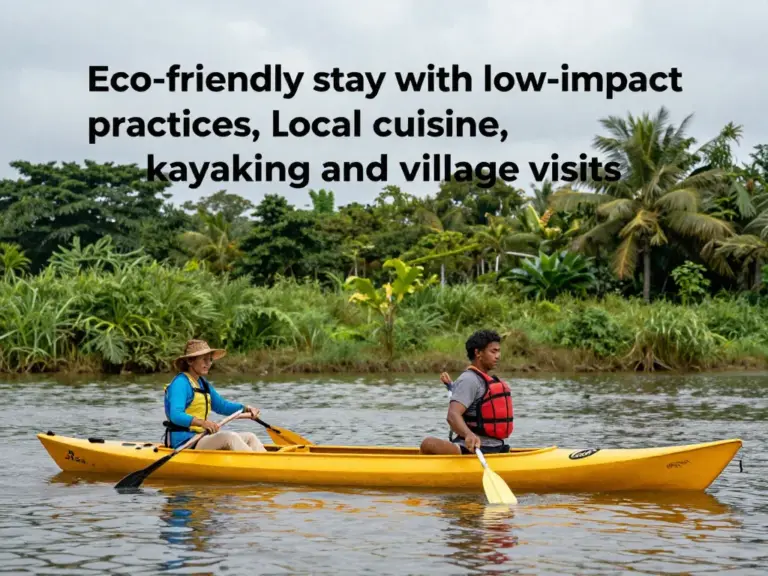
For those who love the outdoors, laos tourism offers unparalleled opportunities for soft adventure. Kayaking down the Nam Song River in Vang Vieng or the Mekong in Si Phan Don allows you to see the landscape from a unique perspective without the noise of a motor. It is a peaceful way to observe river life, from water buffalo bathing to fishermen casting their nets.
Village visits are equally rewarding. Many community-based tourism initiatives offer guided treks to Hmong or Khmu villages. These visits are designed to be respectful and mutually beneficial. You might learn traditional weaving techniques, help with rice planting, or simply share a meal with a local family. These interactions often become the most cherished memories of a trip to Laos.
คำถามที่พบบ่อย (FAQ)
Q1: What is the best time of year to visit Laos for outdoor activities?
A: The best time is during the dry season, from November to February, when temperatures are cooler and the rivers are calm for kayaking.
Q2: Is it safe to eat street food in Laos?
A: Generally, yes. Look for stalls that are busy with locals, as this indicates the food is fresh and high-quality.
Q3: How can I ensure my village visit is ethical?
A: Book through reputable eco-tourism agencies that have established partnerships with the villages and ensure a fair portion of the fee goes directly to the community.
Q4: Do I need to tip in Laos?
A: Tipping is not mandatory but is highly appreciated in the service industry, especially for guides and drivers who go the extra mile.