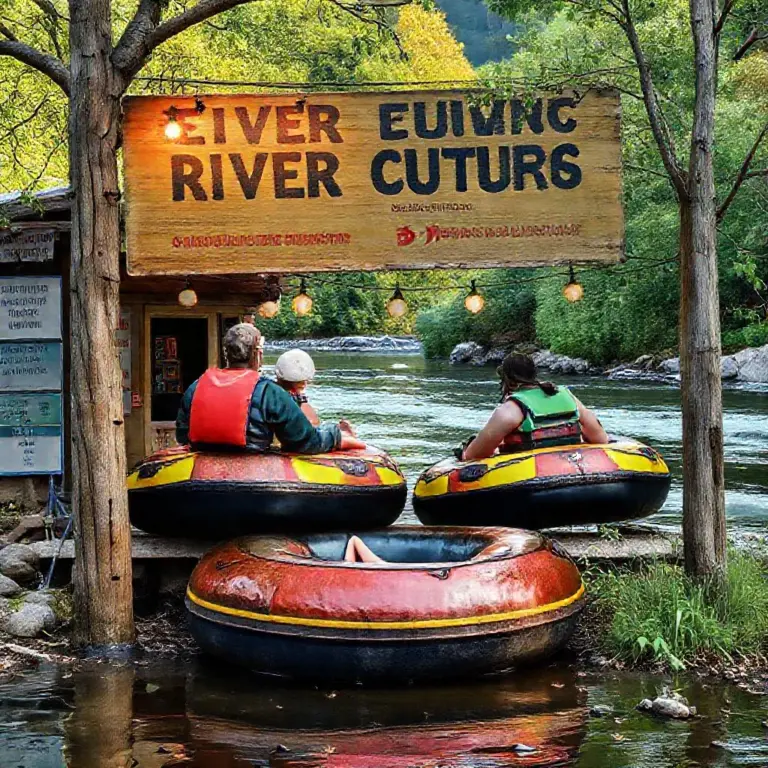
How to Identify Responsible River Tubing Operators — Certifications, Reviews, and Sustainable Practices
- How to Identify Responsible River Tubing Operators — Certifications, Reviews, and Sustainable Practices
River tubing offers an unparalleled way to experience the stunning natural beauty of Laos, particularly around Vang Vieng. However, ensuring your adventure supports local communities and minimizes environmental impact requires diligence. This guide details exactly How to Identify Responsible River Tubing Operators by focusing on verifiable credentials, community engagement, and eco-conscious operations, ensuring your float trip is both thrilling and ethical.
The Imperative for Responsible Tubing in Laos
The popularity of river activities in areas like the Nam Song River has brought economic benefits but also significant environmental and safety challenges. Unregulated operators can lead to pollution, unsafe equipment, and poor labor practices. Responsible tourism operators, conversely, prioritize the long-term health of the ecosystem and the well-being of their staff and guests. Recognizing these operators is the first step toward a sustainable trip.
Why Certifications Matter More Than Promises
In the absence of a single, mandatory national standard for river activities, look for voluntary certifications or memberships that demonstrate a commitment to international best practices. These often cover safety protocols, guide training, and environmental stewardship.
1. Safety and First Aid Credentials
A responsible operator invests heavily in safety. Check if their guides possess:
- Recognized First Aid/CPR certifications (e.g., Red Cross or equivalent international standards).
- Swiftwater rescue training specific to the local river conditions.
- A verifiable protocol for emergency evacuations and communication.
2. Sustainable Tourism Affiliations
Look for affiliations with local or international sustainable tourism bodies. While specific Laotian certifications may be evolving, reputable companies often display affiliations with organizations promoting responsible travel.
Analyzing Online Reviews and Local Reputation
While certifications build a foundation, real-world experience shared by previous customers is invaluable when determining How to Identify Responsible River Tubing Operators.
Don’t just look at the star rating; analyze the content of the reviews. Look for specific mentions of safety briefings, the condition of the tubes, and the professionalism of the staff.
| Positive Indicator | Red Flag (Irresponsible Operator) |
|---|---|
| Guides actively monitored the river. | Guides were absent or intoxicated. |
| Clear briefing on hazards and life jacket use. | No safety talk; just handed a tube. |
| Tubes were in good repair, no leaks. | Patched tubes or worn-out safety gear. |
Local Word-of-Mouth
Consult your accommodation (guesthouse or hotel) or local tourism information centers. Often, established, responsible businesses have long-standing, positive relationships with the local community.
Assessing Sustainable Practices and Environmental Stewardship
The health of the river directly impacts the longevity of the business. Responsible operators actively participate in keeping the environment clean.
Waste Management Protocols
Ask about their ‘pack-it-in, pack-it-out’ policy. Responsible companies often provide sealed dry bags for trash and organize regular clean-up events along the riverbanks. This shows a commitment beyond just the immediate tubing route.
Community Integration and Fair Labor
Responsible tourism ensures profits benefit the local Lao population. Look for:
- Hiring local staff for guiding and support roles.
- Sourcing food and supplies from local vendors.
- Evidence of contributing to local infrastructure or conservation projects.
Essential Pre-Trip Checklist for Tubing Safety
Before you even book, prepare yourself. Even the most responsible operator requires guest cooperation for maximum safety.
- **Confirm Life Jacket Usage:** Ensure life jackets are mandatory, correctly sized, and worn *before* entering the water.
- **Check Water Levels:** Never tube during the rainy season floods or when currents are dangerously high. Responsible operators will cancel trips if conditions are unsafe.
- **Inquire About Alcohol Policy:** Responsible tubing strictly limits or prohibits alcohol consumption while on the water.
- **Verify Equipment Quality:** Inspect the tube for patches or thin spots. Ensure the rope tether is secure.
For a visual guide on river safety and what to expect on a Lao river trip, check out this informative video:
Conclusion: Tubing Responsibly in Paradise
By applying these criteria—verifying certifications, scrutinizing reviews, and prioritizing operators committed to environmental stewardship—you significantly increase your chances of having a safe and positive experience. Choosing responsibly supports the beautiful destination of Laos for generations of travelers to come. Your due diligence in learning How to Identify Responsible River Tubing Operators directly contributes to sustainable tourism.
คำถามที่พบบ่อย (FAQ)
Is river tubing legal and regulated in Vang Vieng, Laos?
Regulations have tightened significantly over the past decade following safety incidents. While licenses exist, specific environmental and safety certification standards can vary. Tourists must rely on operator transparency and adherence to general safety guidelines provided by local authorities.
What is the best time of year to go river tubing in Laos?
The dry season, generally from October to April, offers the calmest and most predictable water levels, making it ideal for tubing. Avoid the peak rainy season (May to September) when currents are too strong and dangerous.
Should I tip the river tubing guides in Laos?
Tipping is appreciated, especially if the guides provided excellent safety supervision or assistance. A small token of appreciation for good service is customary in the tourism industry here, reflecting fair compensation for their potentially risky work.
What is the difference between a responsible operator and a cheap operator?
The difference lies in hidden costs: safety gear quality, guide training, insurance coverage, and environmental fees. Cheap operators often cut corners on maintenance and training, putting your safety and the river’s health at risk.
References
World Tourism Organization Guidelines on Sustainable Adventure Tourism
The International Ecotourism Society Resources