What to Expect from Eco-Friendly River Tubing Tours — Itineraries, Safety Briefings, and Local Guidelines
- What to Expect from Eco-Friendly River Tubing Tours — Itineraries, Safety Briefings, and Local Guidelines
- The Philosophy Behind Eco-Friendly River Tubing Tours in Laos
- Anticipated Itineraries: More Than Just Floating
- Mandatory Safety Briefings: Your Lifeline on the Water
- Adhering to Local Guidelines: Respecting Lao Culture and Nature
- What to Pack for Your Sustainable Float Adventure
- คำถามที่พบบ่อย (FAQ)
- Are eco-friendly tubing tours more expensive than regular ones?
- Do I need to know how to swim for river tubing in Laos?
- What happens if I need to leave the river early?
- Are alcoholic beverages allowed on eco-tubing tours?
Welcome to the serene heart of Laos, where adventure meets responsibility. For the modern traveler seeking authentic experiences without compromising the environment, engaging in Eco-Friendly River Tubing Tours is an absolute must. This guide details exactly what you should anticipate, from the careful planning of the itinerary to the crucial safety measures and adherence to local guidelines that define responsible floating in this stunning Southeast Asian gem.
While river tubing might conjure images of carefree, sometimes rowdy, days on the water, the shift towards eco-friendly operations in Laos—particularly around areas like Vang Vieng—focuses on preserving the karst landscape and protecting the Nam Song River ecosystem. Expect a tour that prioritizes education, minimal environmental impact, and genuine cultural exchange.
The Philosophy Behind Eco-Friendly River Tubing Tours in Laos
The core difference between traditional tubing and an eco-tour lies in stewardship. Reputable eco-operators actively work to mitigate pollution, educate tourists on river etiquette, and often support local conservation efforts. This commitment ensures that future generations can enjoy the pristine beauty of the Nam Song River.
Operator Vetting and Credibility
Before booking, look for operators who explicitly state their environmental policies. Credible tour providers in Laos often partner with local communities, use biodegradable products, and enforce strict ‘pack-it-in, pack-it-out’ rules. Always check reviews pertaining to their sustainability practices, not just the fun factor.
Anticipated Itineraries: More Than Just Floating
A typical day on an Eco-Friendly River Tubing Tour is usually structured to maximize experience while minimizing disturbance. Forget the all-day party scene; eco-tours are curated journeys.
Morning Preparation and Briefing (The Trust Builder)
The itinerary starts early. You will typically meet at a central location, receive high-quality, well-maintained gear, and attend a mandatory, in-depth safety briefing. This is where expertise shines through.
Mid-Day Exploration: Caves and Nature Stops
Unlike aimless floating, eco-tours often incorporate stops at significant natural landmarks. Expect guided visits to local caves (like Tham Phu Kham) or slow paddles through quieter tributaries. These stops are educational, focusing on the geology and endemic wildlife of the region.
The Tubing Segment: Responsible Recreation
The actual tubing portion will be carefully managed. Operators will likely limit the distance covered to ensure you float through the most scenic, less-congested sections of the river. You will be instructed on how to navigate small rapids gently and how to anchor responsibly.
Lunch and Cultural Exchange
Many eco-tours include a locally sourced, traditional Lao lunch, often served at a designated, low-impact riverside location, sometimes involving a local village stop. This provides a crucial opportunity to support the local economy directly and interact respectfully with residents.
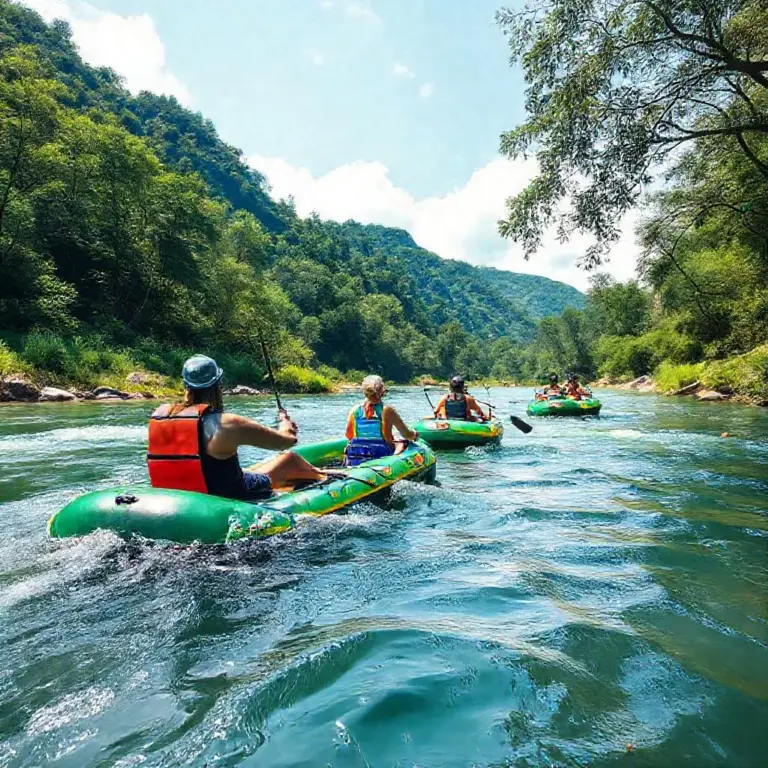
This visual context helps set expectations for the natural splendor you will encounter.
Mandatory Safety Briefings: Your Lifeline on the Water
Safety is non-negotiable, especially where river currents are concerned. A professional eco-tour operator treats the safety briefing as the most important part of the day.
What to Expect in the Safety Talk:
- Personal Flotation Devices (PFDs) Mandatory
- Current Assessment Water Level Dependent
- Emergency Signals Communication Protocols
- Raft/Tube Handling Maneuvering Techniques
Gear Check and Personal Responsibility
Expect mandatory use of helmets and life jackets if the water conditions warrant it (particularly during or shortly after the rainy season). Operators will confirm you know how to use your personal safety gear before you enter the water. Do not hesitate to ask for clarification; an experienced guide will be present.
Adhering to Local Guidelines: Respecting Lao Culture and Nature
To ensure the long-term viability of these tours, strict adherence to local guidelines is paramount. Laos values its tranquility and natural heritage.
Waste Management Protocol
The most critical guideline is waste. Eco-tours strictly forbid bringing single-use plastics, glass bottles, or styrofoam onto the river. All food and drinks will be provided in reusable or compostable containers, and you are responsible for returning all personal items.
Respecting River Boundaries and Wildlife
Guides will clearly delineate areas where swimming or anchoring is prohibited to protect sensitive riverbanks or wildlife habitats. Loud noise, excessive alcohol consumption, and littering are grounds for immediate removal from the tour, underscoring the seriousness of these environmental rules.
Interacting with Local Communities
When stopping near villages, remember you are a guest. Dress modestly when leaving the river area (shoulders and knees covered) and always ask permission before taking photographs of people. A small purchase from a local vendor goes a long way in supporting the community that shares its natural resources with you.
What to Pack for Your Sustainable Float Adventure
Packing light and responsibly is part of the eco-commitment. Here is a checklist:
- Reef-safe, biodegradable sunscreen and insect repellent.
- Quick-dry clothing (avoid heavy cotton).
- Waterproof bag or dry sack for essentials (phone, keys).
- Sturdy water shoes or sandals with straps (no flip-flops).
- A reusable water bottle (to refill provided water).
For those who wish to explore the wider Vang Vieng area, here is a map reference:
By choosing an Eco-Friendly River Tubing Tour, you are not just signing up for a fun activity; you are investing in the future preservation of Laos’ magnificent natural environment. Expect guidance, respect, and breathtaking scenery.
คำถามที่พบบ่อย (FAQ)
Generally, yes. The slightly higher cost reflects the commitment to better equipment maintenance, smaller group sizes, higher guide-to-guest ratios, and the investment in sustainable practices, such as locally sourced food and waste management.
While strong swimming skills are not always mandatory due to the mandatory use of life jackets, you must be comfortable in the water. Guides will assess your comfort level, especially during periods of higher flow.
Eco-friendly tour operators usually have reliable transport arranged along the route. If you feel unwell or need to exit early, notify your guide immediately. They will arrange for you to be picked up at a designated collection point, although refunds for early departure are often not provided.
Most reputable eco-tours strictly prohibit or heavily restrict outside alcohol consumption, as intoxication is a major safety risk and contradicts the responsible nature of the tour.