A Guide to Ecotourism in Laos: How to Travel Responsibly
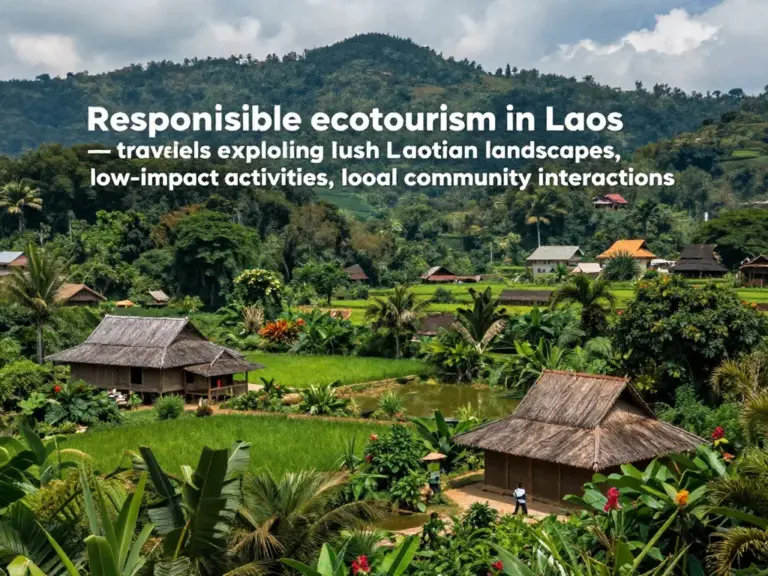
Laos, often referred to as the ‘Land of a Million Elephants,’ is a jewel of Southeast Asia that remains largely untouched by the frantic pace of modern industrialization. As travelers increasingly seek meaningful and sustainable experiences, Ecotourism in Laos has emerged as a vital way to preserve the country’s pristine landscapes and rich cultural heritage. From the misty mountains of the north to the cascading waterfalls of the south, traveling responsibly ensures that your visit contributes positively to the environment and local communities.
Understanding Ecotourism in Laos
Ecotourism in Laos is defined by low-impact travel to natural areas that conserves the environment and improves the well-being of local people. The Lao government, in partnership with international NGOs, has developed several National Protected Areas (NPAs) that offer trekking, kayaking, and wildlife spotting. By choosing these regulated tours, you are directly funding conservation efforts and providing an alternative income to hunting or logging for the local villagers.
Top Destinations for Eco-Conscious Travelers
If you are planning your itinerary for Laos Tourism, consider these top-rated eco-destinations that prioritize sustainability:
| Region | Eco-Activity | Key Highlight |
|---|---|---|
| Luang Namtha | Jungle Trekking | Nam Ha National Protected Area |
| Houaphanh | Nam Et-Phou Louey Night Safari | Spotting endangered clouded leopards |
| Champasak | Bolaven Plateau Coffee Tours | Supporting organic fair-trade farmers |
| Vang Vieng | Kayaking & Caving | Sustainable water management initiatives |
1. Luang Namtha and the Nam Ha NPA
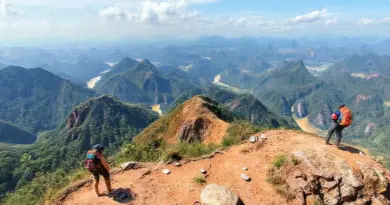
Luang Namtha is the birthplace of ecotourism in Laos. The Nam Ha National Protected Area offers some of the best trekking in the region. Here, guides are recruited from local ethnic minority villages, ensuring that the knowledge shared is authentic and the economic benefits are distributed fairly.
2. The Nam Et-Phou Louey Night Safari
This award-winning project is a model for wildlife conservation. Travelers take a long-tail boat up the Nam Nern River at night to spot nocturnal animals. The ‘success-based’ model means that the more wildlife travelers see, the more money the local village receives for conservation, turning former hunters into protectors of the forest.
How to Travel Responsibly: Practical Tips
To truly engage with Ecotourism in Laos, one must look beyond the scenery and focus on behavior. Here are essential tips for the responsible traveler:
- Dress Modestly: Laos is a conservative country. Cover your shoulders and knees, especially when visiting temples or rural villages.
- Say No to Plastic: Carry a reusable water bottle. Many guesthouses in Luang Prabang and Vientiane offer ‘Refill Not Landfill’ stations.
- Support Local Artisans: Buy handicrafts directly from the makers. Avoid purchasing antiques or wildlife products, which are often illegal to export.
- Ask Before You Snap: Always ask for permission before taking photos of people, particularly children or during religious ceremonies.
The Ethics of Wildlife Tourism
Laos has a complicated history with its namesake, the elephant. While riding elephants was once a common tourist activity, it is now widely recognized as harmful. Responsible Laos Tourism now focuses on ‘ethical sanctuaries’ where elephants are retired from logging or riding and allowed to live in natural environments. When choosing a sanctuary, look for those that do not allow riding, bathing with elephants (which can be stressful for them), or performances.
Community-Based Tourism (CBT)
Homestays are a fantastic way to experience Laos. By staying with a local family, you gain a deeper understanding of Lao culture and ensure your travel funds go directly to the household. Remember to follow village rules, such as not giving candy to children (which promotes tooth decay and begging) and instead donating to the village school or clinic.
คำถามที่พบบ่อย (FAQ)
What is the best time to visit Laos for ecotourism?
The best time is during the dry season, from November to February, when the weather is cool and trekking trails are accessible. However, the ‘green season’ (May to October) offers lush landscapes and vibrant waterfalls.
Is it safe to drink tap water in Laos?
No, tap water is not safe to drink. To stay eco-friendly, use a water purification bottle or look for large blue refillable water jugs provided by many hotels and guesthouses.
How can I ensure my tour operator is truly ‘eco-friendly’?
Look for operators that employ local guides, have a clear policy on waste management, and are transparent about how their profits support local conservation or community projects.
Do I need a visa for Laos?
Most nationalities require a visa. You can obtain a visa on arrival at most international airports and border crossings, or apply for an eVisa in advance to save time.
What is the most respectful way to greet people in Laos?
The ‘Nop’ is the traditional greeting. Place your palms together in a prayer-like gesture at chest level and give a slight bow. Avoid touching people on the head, as it is considered the most sacred part of the body.