Sustainable Activities and Experiences: Community-Based Tourism, Eco-Lodges, and Low-Impact Trekking
As the world shifts toward more conscious travel, Laos stands out as a premier destination for those seeking Sustainable Activities and Experiences. Nestled in the heart of Southeast Asia, this landlocked nation offers a unique blend of pristine nature and deep-rooted cultural heritage. By focusing on community-based tourism, staying in eco-lodges, and participating in low-impact trekking, travelers can ensure their visit contributes positively to the environment and local livelihoods.
The Rise of Community-Based Tourism (CBT) in Laos
Community-Based Tourism (CBT) is at the heart of sustainable travel in Laos. Unlike traditional tourism, CBT is managed and owned by the community, for the community. This model ensures that the economic benefits of tourism reach the villagers directly. When you engage in CBT, you aren’t just a spectator; you are a guest in someone’s home, participating in daily rituals, traditional weaving, or organic farming.
In regions like Luang Namtha and Phongsaly, CBT initiatives have helped preserve ethnic minority cultures that might otherwise be lost to modernization. These experiences foster mutual respect and provide a sustainable alternative to destructive industries like logging or poaching.
Eco-Lodges: Staying with a Conscience
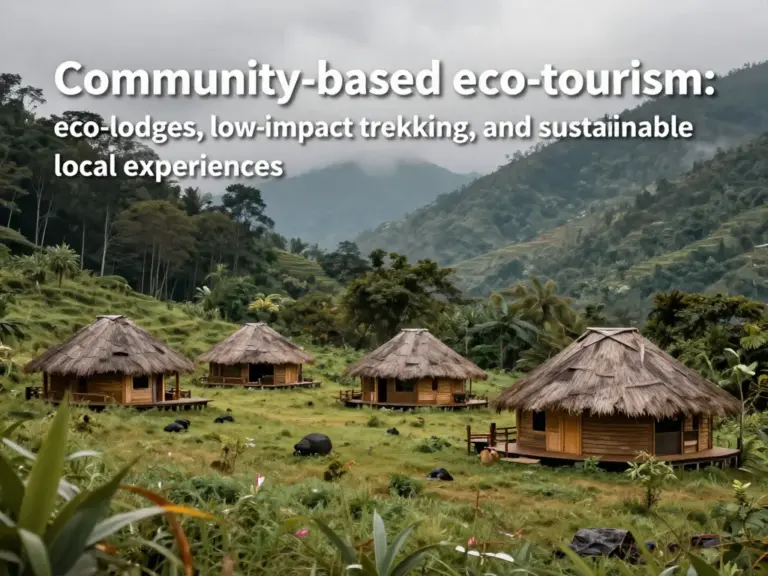
Choosing where to sleep is a critical part of Sustainable Activities and Experiences. Eco-lodges in Laos are designed to have a minimal carbon footprint. Many are constructed using local, renewable materials like bamboo and thatch, and utilize solar power or micro-hydroelectricity.
- Use of biodegradable toiletries and waste reduction systems.
- Employment and training of local staff from surrounding villages.
- Architecture that blends into the natural landscape rather than disrupting it.
Lodges like the Nam Et-Phou Louey National Park’s eco-stays allow travelers to sleep in ‘nests’—elevated bamboo huts—while supporting wildlife conservation efforts, specifically the protection of tigers and other endangered species in the area.
Low-Impact Trekking: Walking the Green Path
Trekking is one of the most popular ways to see Laos, but not all treks are created equal. Low-impact trekking emphasizes ‘Leaving No Trace.’ This means sticking to established trails to prevent soil erosion, avoiding plastic waste, and respecting the privacy and traditions of the mountain tribes you encounter.
| Region | Activity Type | Sustainability Focus |
|---|---|---|
| Luang Prabang | Kuang Si Falls Trek | Water Conservation & Local Guiding |
| Bolaven Plateau | Coffee Plantation Tours | Organic Farming & Fair Trade |
| Vang Vieng | Organic Farm Trekking | Agro-ecology & Education |
By hiring local guides through reputable sustainable agencies, you gain expert knowledge of the flora and fauna while providing a livelihood for people who are the true stewards of the land.
How to be a Responsible Traveler in Laos
Sustainability isn’t just about the activities you book; it’s about your daily choices. In Laos, simple actions like carrying a reusable water bottle, refusing single-use plastics, and dressing modestly when entering temples make a significant difference. Supporting local artisans by buying authentic handicrafts instead of cheap imports also fuels the local economy.
คำถามที่พบบ่อย (FAQ)
What is the best time for trekking in Laos?
The best time for low-impact trekking is during the dry season, from November to February, when temperatures are cooler and trails are less slippery.
Are eco-lodges in Laos expensive?
There is a range for every budget. While some luxury eco-resorts exist, many community-run lodges and bungalows are very affordable and offer an authentic experience.
How does community-based tourism help locals?
CBT ensures that a significant portion of the money spent by tourists goes directly to the village for school funds, infrastructure, and healthcare, rather than to external corporations.
Can I trek without a guide in Laos?
While possible in some areas, it is highly recommended to hire a local guide. This supports the local economy, ensures your safety, and provides cultural context you wouldn’t get otherwise.
What should I pack for a sustainable trip?
Pack a reusable water bottle, biodegradable soap, a solar power bank, and modest clothing that covers shoulders and knees for village visits.