What to Pack for a Zero-Waste Trip to Laos
Laos is a land of serene landscapes, magnificent temples, and untouched natural beauty. As tourism grows in this captivating Southeast Asian nation, so does the importance of sustainable travel. If you are wondering What to Pack for a Zero-Waste Trip to Laos, you are already taking a significant step toward preserving the pristine charm of this country. Reducing your plastic footprint while traveling is not just a trend; it is a responsibility. By preparing mindfully, you can enjoy your adventure without leaving a trail of waste behind.
The Philosophy of Conscious Packing for Laos
Laos faces unique waste management challenges due to its rugged geography and developing infrastructure. Single-use plastics are still widely available, but the local communities are increasingly aware of the environmental impact. When you pack for a zero-waste trip, your primary goal is to avoid items that cannot be reused or recycled. Think of your luggage as a self-contained ecosystem—if you bring it in, you should be prepared to use it indefinitely or take it home with you.
Essential Reusable Gear for Your Laos Adventure
To truly minimize waste, you need a toolkit of reusable items that replace the most common single-use culprits. Below is a breakdown of what you should include in your suitcase.
| Item | Purpose |
|---|---|
| Reusable Water Bottle with Filter | Avoid buying plastic bottles; filter tap water safely. |
| Reusable Cutlery Set | Essential for street food and local markets. |
| Cloth Shopping Bags | Perfect for avoiding plastic bags at markets. |
| Solid Toiletries | Shampoo bars and soap bars reduce liquid plastic packaging. |
Why a Water Filter Bottle is Non-Negotiable
In Laos, tap water is generally not potable. Travelers often resort to purchasing multiple plastic water bottles daily, which quickly accumulates into a massive amount of waste. Investing in a high-quality water purification bottle (like LifeStraw or Grayl) allows you to fill up from almost any tap or river, effectively eliminating the need for plastic bottles entirely. This is the single most impactful item you can pack.
Eco-Friendly Toiletries and Personal Care
Traditional travel-sized toiletries are often encased in single-use plastic bottles. Switch to solid alternatives. Shampoo bars, conditioner bars, and natural soap bars take up less space, weigh less, and generate zero plastic waste. Additionally, consider using bamboo toothbrushes and refillable toothpaste tablets. Not only are these eco-friendly, but they are also much easier to pack through airport security.
Sustainable Clothing and Gear
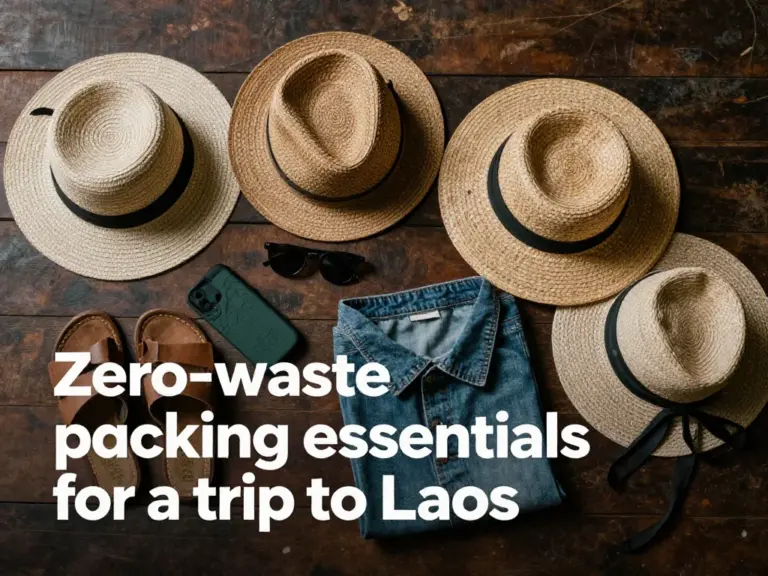
When choosing clothing for Laos, opt for natural fibers like linen or hemp. These are not only breathable in the tropical heat but are also biodegradable, unlike synthetic fabrics like polyester which shed microplastics when washed. If you are planning to visit temples, remember to pack modest clothing that covers your shoulders and knees. Choosing high-quality, durable items ensures you don’t need to replace them during your travels.
คำถามที่พบบ่อย (FAQ)
Is it easy to find recycling facilities in Laos?
Recycling infrastructure in Laos is still developing. While some major cities like Vientiane and Luang Prabang have some recycling initiatives, it is best to assume that you will need to pack out your own trash if you have items that cannot be easily composted or recycled locally.
Can I drink tap water in Laos if I use a filter?
Yes, a high-quality purification bottle that filters out bacteria, protozoa, and viruses is generally safe for filling up from tap sources, allowing you to avoid single-use plastic bottles during your trip.
Are there zero-waste shops in Laos?
While there are not many dedicated “zero-waste” stores, you will find many local markets where you can buy fresh produce without packaging. Using your own bags and containers is the best way to practice zero-waste shopping in the country.
If you accumulate waste that cannot be avoided, try to pack it back into your luggage to bring to a location with better waste management, or dispose of it in designated bins provided by hotels that have clear waste separation policies.