Practical tips and preparation: tickets, baggage, visas, health, and what to pack
- Practical tips and preparation: tickets, baggage, visas, health, and what to pack
- Navigating Visas for laos Tourism
- Booking Tickets and Transportation
- Baggage and Domestic Weight Limits
- Health and Safety Preparation
- What to Pack: The Ultimate Checklist
- คำถามที่พบบ่อย (FAQ)
- Do I need a visa for Laos?
- Is it safe to drink tap water in Laos?
- What is the best currency to carry?
- What should I wear when visiting temples?
Embarking on a journey to the land of a million elephants is a dream for many, but successful laos Tourism requires more than just a plane ticket. Laos offers a unique blend of serene landscapes, spiritual depth, and rugged adventure. However, because it remains one of Southeast Asia’s more authentic and less modernized destinations, thorough preparation regarding visas, health protocols, and packing is essential for a smooth experience.
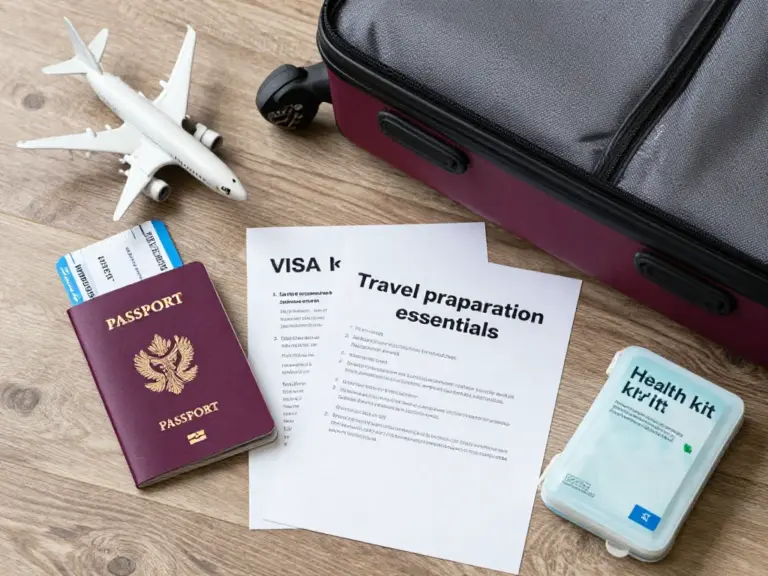
The first step in your preparation is securing legal entry. Most international travelers require a visa to enter Laos. Fortunately, the process has become significantly more streamlined in recent years. You can choose between a Visa on Arrival (VoA) at major international airports (Vientiane, Luang Prabang, Pakse) and most land borders, or the increasingly popular E-visa system. The E-visa is valid for 30 days and usually takes about 3 business days to process. Ensure your passport has at least six months of validity remaining and at least two blank pages for stamps.
Booking Tickets and Transportation
When booking flights, consider flying into Vientiane (VTE) or Luang Prabang (LPQ). If you are coming from neighboring countries like Thailand or Vietnam, budget airlines like AirAsia or Lao Airlines offer frequent connections. For those interested in sustainable laos Tourism, the high-speed China-Laos Railway now connects major hubs like Vang Vieng and Luang Prabang, making domestic travel faster than ever. It is advisable to book train tickets at least 2-3 days in advance through official apps or local agencies, as they sell out quickly.
Baggage and Domestic Weight Limits
Packing light is the golden rule for Laos. If you plan on taking domestic flights or using the high-speed train, be aware of strict baggage policies. Lao Airlines typically allows 20kg for checked luggage, while the train has specific dimensions for overhead storage. A sturdy backpack is often better than a hardshell suitcase, especially if you plan to navigate the cobblestone streets of Luang Prabang or the dirt paths of the 4,000 Islands. Always include a small daypack for excursions and boat trips along the Mekong River.
Health and Safety Preparation
Your health is paramount when exploring tropical climates. Before departure, consult a travel clinic regarding vaccinations for Hepatitis A, Typhoid, and Japanese Encephalitis. Malaria is a low risk in major cities but present in rural areas, so high-quality mosquito repellent containing DEET is a must. Travel insurance that covers medical evacuation is non-negotiable, as local healthcare facilities in Laos are limited. Additionally, never drink tap water; stick to bottled or filtered water provided by reputable hotels to avoid stomach issues.
What to Pack: The Ultimate Checklist
Laos is a conservative country, and dressing appropriately is a sign of respect, especially at religious sites. Your packing list should include:
- Lightweight, breathable cotton or linen clothing.
- Modest attire: Shoulders and knees must be covered when entering temples.
- Comfortable walking shoes or sandals with good grip.
- A light jacket if visiting the northern highlands (it gets chilly at night!).
- Universal power adapter (Type A, B, C, E, and F are common).
- Personal first-aid kit with rehydration salts and basic antibiotics.
| Item Category | Essential Item | Reason |
|---|---|---|
| Documentation | Passport & Visa | Entry requirements |
| Health | DEET Repellent | Mosquito-borne diseases |
| Finance | Cash (USD/THB/LAK) | Laos is a cash-heavy society |
| Gear | Dry Bag | Water activities on Mekong |
คำถามที่พบบ่อย (FAQ)
References
- Official Laos E-Visa Portal
- CDC Health Information for Travelers to Laos
- Lao National Tourism Administration