Planning Your Trip: best seasons, guided tours, safety tips, permits, and local operator recommendations for Tham Kong Lor and Vang Vieng cave excursions
- Planning Your Trip: best seasons, guided tours, safety tips, permits, and local operator recommendations for Tham Kong Lor and Vang Vieng cave excursions
Embarking on an adventure into the subterranean landscapes of Laos means choosing between two world-class, yet distinctly different, experiences: the epic river journey through Tham Kong Lor Cave and the limestone labyrinth surrounding Vang Vieng. Successful exploration hinges on meticulous preparation. This comprehensive guide details everything you need to know for safe and rewarding **Tham Kong Lor and Vang Vieng cave excursions**, covering the optimal seasons, necessary legalities, essential safety protocols, and the best local operators to ensure your trip into Laos’ underground wonders is flawless.
Laos operates under a distinct tropical monsoon climate, which critically impacts cave exploration, particularly the water levels and accessibility. Timing your visit is perhaps the single most important planning decision you will make.
Tham Kong Lor, a massive 7.5 km long cave carved by the Nam Hin Boun River, is entirely dependent on water flow. The ideal time to visit is during the dry season, spanning from November to April. During these months, the river current is manageable, the water is clearer, and the boat ride is significantly safer and more enjoyable. Visiting immediately after the wet season (May/October) carries a high risk, as flash floods can make the cave impassable or extremely dangerous due to strong currents and debris.
Vang Vieng: Dry Season Dominance
Vang Vieng’s famous karst caves, such as Tham Chang or Tham Phu Kham (Blue Lagoon Cave), are generally accessible year-round. However, the dry season (November to April) is preferable. While the caves themselves might not flood easily, heavy rains can turn approach trails into slippery mud pits and drastically increase the water level in lower chambers or swimming holes like the Blue Lagoon.
Securing Access: Permits and Regulations
While Laos is generally welcoming to independent travelers, specific natural sites, especially those managed by local communities or national parks, require adherence to local regulations. Understanding the permit structure prevents unexpected delays or fines.
Permit Insight
For Tham Kong Lor, permits are implicitly handled when you hire the official village boat operators. You pay a collective fee that covers entry and the mandatory guide/boatman. For specific, less-trafficked caves around Vang Vieng, your chosen tour operator will secure the necessary permissions from the local authority or village headman, ensuring you are compliant and supporting local conservation efforts.
Never attempt to enter a cave system without the required local authorization, as this can disrupt delicate conservation efforts or put you in conflict with local management structures.
Essential Safety Tips for Tham Kong Lor and Vang Vieng Caves
Safety in Lao caves relies heavily on respecting nature’s power and trusting experienced local knowledge. The risks range from simple slips to rapid water level changes.
Equipment and Preparation
Regardless of the cave, preparation is key. Always carry:
- Reliable Headlamp/Torch: Even if your guide has one, a backup is essential.
- Sturdy Footwear: Waterproof hiking boots or robust sandals with good grip are mandatory.
- Water & Snacks: Caves are physically demanding, and refreshment stops are infrequent.
- Small First-Aid Kit: Focus on blister treatment and antiseptic wipes.
Health and Environmental Considerations
Bat guano is prevalent in many caves, posing a minor risk of Histoplasmosis if dust is inhaled. Wearing a simple dust mask or bandana is advisable, especially in drier, less ventilated areas like some Vang Vieng chambers. Furthermore, never touch cave formations (stalactites/stalagmites); human oils can halt their growth process, which takes millennia.
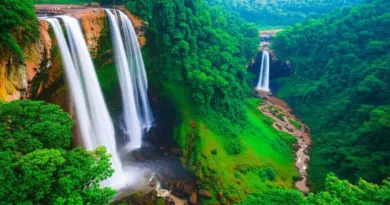
To give you a visual sense of the incredible beauty awaiting you, here is a short look at what these experiences entail:
Guided Tours and Local Operator Recommendations
While independent travel is possible, hiring certified local guides significantly enhances safety, cultural understanding, and access to the best parts of the caves. For both locations, local knowledge is power.
Tham Kong Lor: Essential Boat Operators
In Tham Kong Lor village, the guiding service is highly regulated and centralized. You do not typically book months in advance through an international agency. Instead, you arrange your trip directly upon arrival at the village office or designated meeting point. The tour includes a mandatory long-tail boat, a driver/guide, and a stop at the small village on the far side of the cave. Expect professional, standardized service focused purely on the river transit.
Vang Vieng: Specialized Rock Climbing & Caving Guides
Vang Vieng offers a more diverse guiding landscape, catering to casual explorers and serious adventurers alike. For deep exploration or technical climbing near caves like Pha Ngern, look for reputable operators known for strict adherence to safety standards and proper gear maintenance. We highly recommend operators who are transparent about their guide certifications and insurance coverage when booking technical excursions.
| Cave System | Primary Guide Focus | Booking Method |
|---|---|---|
| Tham Kong Lor | River Navigation & Local Lore | Directly in Tham Kong Lor Village |
| Vang Vieng Caves (General) | Trekking & Basic Exploration | Local Guesthouses/Agencies in Town |
| Vang Vieng (Technical) | Rappelling, Deep Exploration | Specialized Adventure Tour Companies |
Practical Logistics: Getting Between the Sites
Tham Kong Lor (in Khammouane Province) and Vang Vieng (in Vientiane Province) are separated by a significant distance—approximately 5-7 hours of challenging driving. Travelers must budget for private minivan hire or reliable local bus services. Given the logistics, most travelers spend 2-3 days exploring the Vang Vieng area before traveling south to Thakhek/Kong Lor, or vice versa. Plan overnight stays in Thakhek for Tham Kong Lor access and in Vang Vieng for its excursions.
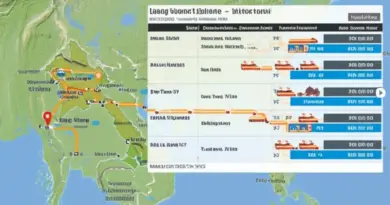
For visualizing the general area where Vang Vieng is situated:
Thorough preparation regarding ground transport between these two hubs is crucial for maximizing your time enjoying the incredible **Tham Kong Lor and Vang Vieng cave excursions**.
Conclusion: Your Adventure Awaits
Laos offers some of the most rewarding, raw caving experiences in Southeast Asia. By respecting the seasons, securing the correct local permissions via your chosen operator, and prioritizing safety above all else, you are set for an unforgettable journey. Whether you are drifting silently through the mile-long darkness of Kong Lor or scaling the limestone cliffs above the Nam Song River, these caves promise adventure that few other destinations can match.
คำถามที่พบบ่อย (FAQ)
References
Lonely Planet Guide to Tham Kong Lor
- Caving Adventures: Exploring Tham Kong Lor and Vang Vieng’s Karst Systems — Ultimate Guide for Explorers and Conservationists
- Overview of Tham Kong Lor and Vang Vieng Karst Landscapes: geology, history, and why these caves matter for tourism and biodiversity
- What to Expect Inside: cave formations, river passages, wildlife encounters, photography tips, and interpreting karst features for travelers