National Protected Areas Guide: Nam Et–Phou Louey Night Safari Pros & Cons
- National Protected Areas Guide: Nam Et–Phou Louey Night Safari Pros & Cons
- Discovering the Darkness of Nam Et–Phou Louey
- What is the Nam Et–Phou Louey Night Safari?
- The Pros of Visiting the Nam Et–Phou Louey Night Safari
- The Cons and Challenges of the Night Safari
- Making the Most of Your Visit (Tips for Tourists)
- National Protected Areas Guide: Nam Et–Phou Louey Night Safari Pros & Cons
- คำถามที่พบบ่อย (FAQ)
Laos, often heralded for its serene landscapes and ancient temples, holds deeper secrets within its vast national parks. For the dedicated eco-tourist seeking genuine wilderness encounters, the Nam Et–Phou Louey Night Safari stands out as a premier, albeit challenging, destination. As part of the Nam Et–Phou Louey National Protected Area (NEPL NPA), this nocturnal expedition offers a rare glimpse into Southeast Asian biodiversity after sunset. Before committing to this remote adventure, understanding the Nam Et–Phou Louey Night Safari Pros & Cons is crucial for setting expectations and ensuring a rewarding experience.
Discovering the Darkness of Nam Et–Phou Louey
The Nam Et–Phou Louey National Protected Area, located primarily in Huaphanh Province, is Laos’ largest protected area and a vital ecological corridor. It is internationally recognized for its importance in conserving species like the critically endangered Crested Ibis and various large mammals. The Night Safari component, usually managed in partnership with local communities and conservation NGOs, shifts the focus from daytime trekking to tracking elusive nocturnal creatures.
What is the Nam Et–Phou Louey Night Safari?
Location and Context: The Heart of Biodiversity
The safari typically operates from a base near the park boundaries, often involving a short trek to designated viewing points or slow patrols along designated forest tracks. The entire operation is designed with minimal impact in mind, adhering to strict ecotourism principles. This isn’t a drive-through zoo experience; it is deep immersion into a functioning ecosystem.
The Experience: What to Expect on the Tour
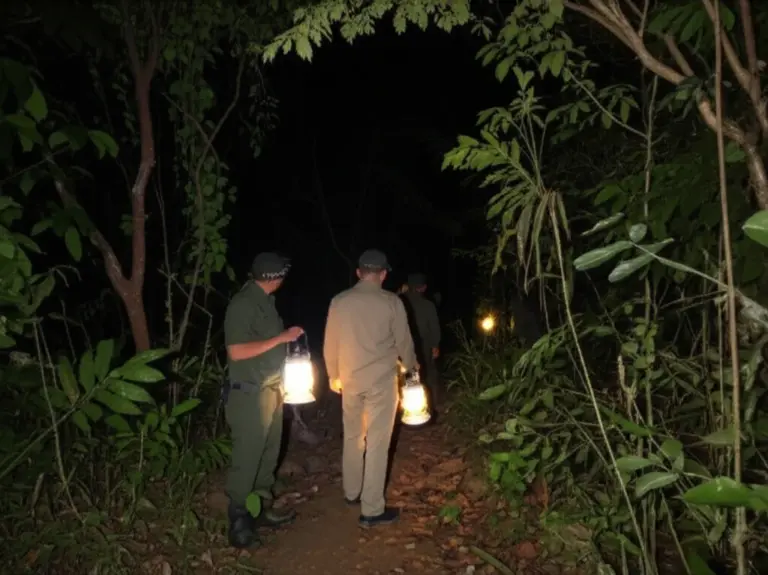
Tours usually begin around dusk. Participants are equipped with headlamps (often fitted with red-light filters to minimize disturbance) and accompanied by experienced local guides and sometimes a wildlife spotter. The air is thick with the sounds of the jungle. The goal is passive observation—listening for movement, spotting reflective eyeshine, and learning about the forest’s nighttime inhabitants. You might encounter civets, various species of bats, owls, or perhaps even larger mammals if you are exceptionally lucky.
The Pros of Visiting the Nam Et–Phou Louey Night Safari
Unparalleled Nocturnal Wildlife Viewing
The primary advantage is the unique access to animals active only after dark. Many of the larger, shyer mammals, such as various deer, wild pigs, and even potential sightings of rare cats (though highly unlikely), only emerge under the cover of night. This contrast sharply with daytime jungle hikes, which are often dominated by birdlife and primates. For serious wildlife enthusiasts, this is a non-negotiable experience.
Direct Contribution to Conservation Efforts
A significant portion of the fees generated by the **Nam Et–Phou Louey Night Safari Pros & Cons** assessment hinges on the ethical framework. In NEPL, tourism revenue is often channeled directly back into anti-poaching patrols and local community projects. By choosing this guided tour, you are actively funding the protection of this critical habitat, offering a sustainable economic alternative to logging or hunting for local residents.
Authentic Ecotourism Experience
Unlike heavily commercialized safaris elsewhere, the experience here feels raw and authentic. You are relying on the deep, generational knowledge of local guides who know the forest intimately. This fosters a genuine connection to the land and the people protecting it. Furthermore, the small group sizes ensure minimal ecological footprint.
The Cons and Challenges of the Night Safari
Accessibility and Travel Logistics
NEPL is remote. Reaching the operational hubs often requires long, sometimes arduous, overland travel from Vientiane or the northern provinces. Transportation logistics can be complex, time-consuming, and costly. This isolation, while beneficial for conservation, poses a significant hurdle for the average tourist on a tight schedule.
Physical Demands and Comfort Levels
Night safaris are physically demanding. You will be walking, often over uneven, muddy, or steep terrain, in complete darkness (save for your light source). Humidity and insects are intense, and standard comforts are non-existent. This tour is not recommended for those with mobility issues or those seeking a relaxing evening activity.
Limited Sightings Guarantee
Wildlife observation is inherently unpredictable, and this is amplified at night. While the guides are skilled, seeing large or rare animals is never guaranteed. Visitors must manage expectations; often, the most memorable moments are the sounds heard or the eyeshine spotted from a distance, rather than a clear, prolonged sighting. If guaranteed sightings are your priority, this tour might lead to disappointment.
Making the Most of Your Visit (Tips for Tourists)
To truly appreciate the trek, prepare adequately. Bring lightweight, quick-drying clothes, high-quality insect repellent (DEET recommended), sturdy waterproof hiking boots, and a reliable headlamp with a red-light setting. Book well in advance, as capacity is intentionally kept low to protect the environment. Engaging with the local guides about their conservation work enriches the experience significantly.
National Protected Areas Guide: Nam Et–Phou Louey Night Safari Pros & Cons
Ultimately, weighing the **Nam Et–Phou Louey Night Safari Pros & Cons** reveals a clear profile: this experience is tailored for the dedicated, physically capable eco-tourist who prioritizes authentic conservation impact and remote wilderness immersion over guaranteed comfort or easy access. For those willing to embrace the logistical challenges, the rewards—a deep connection to the wild heart of Laos—are immense.
คำถามที่พบบ่อย (FAQ)
References
Nam Et-Phou Louey NPA Official Tourism Portal
IUCN Red List Information on Species in Laos