Why These Two Destinations Are the Top Trekking Hubs in Laos
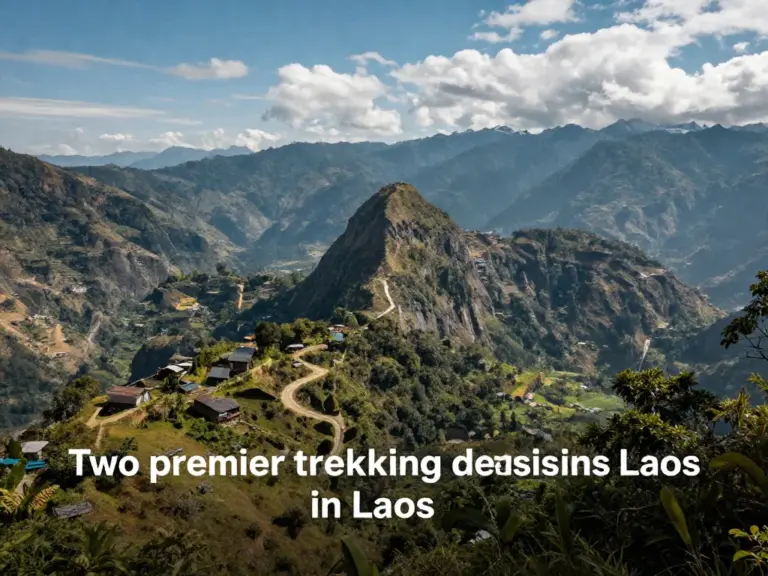
When travelers think of Southeast Asia, iconic temples and bustling night markets often come to mind. However, for the intrepid adventurer, the true soul of the region lies in its rugged mountains and untouched wilderness. Laos, a landlocked gem, offers some of the most authentic hiking experiences in the world. Specifically, if you are looking for the top trekking hubs in Laos, two names consistently rise to the top: Luang Namtha and Nong Khiaw. These destinations are not merely stopovers; they are gateways to a world of ethnic diversity, dramatic limestone karsts, and profound silence that is becoming increasingly rare in modern travel.
Luang Namtha: The Gateway to the North
Located in the far north, Luang Namtha is widely considered the epicenter of eco-tourism in the country. It serves as the primary gateway to the Nam Ha National Protected Area, a vast expanse of lush jungle that provides a sanctuary for biodiversity. What sets Luang Namtha apart as one of the top trekking hubs in Laos is its commitment to community-based tourism. When you trek here, you aren’t just walking through a forest; you are walking through the ancestral lands of various ethnic minority groups, including the Akha, Lanten, and Khmu people.
Trekking in Luang Namtha often involves multi-day excursions where you stay in local village homestays. This immersive experience allows travelers to witness traditional lifestyles, from indigo dyeing to intricate weaving, far removed from the commercialized tourist trails found elsewhere. The terrain here is varied, ranging from rolling hills to dense, humid valleys, providing a satisfying challenge for hikers of all skill levels.
Nong Khiaw: Dramatic Landscapes and River Life
If Luang Namtha is the king of deep-jungle immersion, Nong Khiaw is the undisputed master of dramatic scenery. Nestled along the Nam Ou River and surrounded by towering limestone cliffs, Nong Khiaw offers a visual spectacle that stays with you long after you leave. It has rapidly evolved into one of the top trekking hubs in Laos due to its accessibility and the sheer density of viewpoints and cave systems in the immediate vicinity.
The trekking here is vertical. Trails lead hikers up steep inclines to viewpoints such as the Phadeng Peak, which offers a panoramic vista of the river winding through the mountains—a view that is often shrouded in a mystical, low-hanging mist at sunrise. Beyond the peaks, the area is rich in history. Many treks include visits to the Patok Cave, which served as a shelter for local villagers during the Second Indochina War. This blend of natural beauty and historical gravity makes Nong Khiaw a profound destination for those who want to understand the resilience of the Lao people.
Mapping Your Adventure
Both locations offer distinct experiences. Luang Namtha is for the explorer seeking deep cultural exchange and dense biodiversity, while Nong Khiaw is for the traveler seeking awe-inspiring landscapes and riverside tranquility. Regardless of which you choose, you are supporting local economies that prioritize conservation.
คำถามที่พบบ่อย (FAQ)
- Q: Do I need a guide to trek in these areas?
A: Yes, it is highly recommended and often required for national park entry to hire a licensed local guide. They ensure safety and provide deep cultural context. - Q: Which of the top trekking hubs in Laos is better for beginners?
A: Nong Khiaw is generally considered more accessible for shorter, day-trip treks, whereas Luang Namtha offers more extensive, multi-day deep-forest treks. - Q: What should I pack for trekking in Laos?
A: Pack lightweight, moisture-wicking clothing, sturdy hiking boots, a reusable water bottle, insect repellent, and a basic first-aid kit.