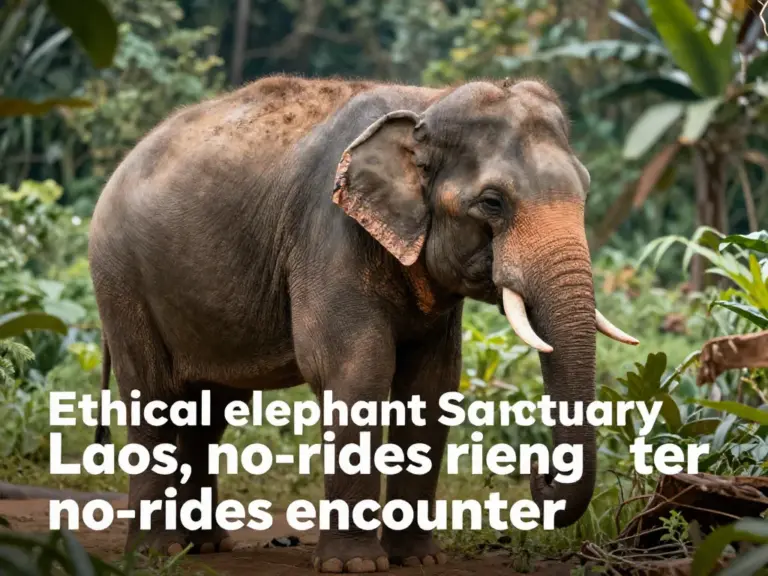
Ethical Elephant Encounters in Laos: A Guide to Sanctuaries Without Rides
Laos, often affectionately called the “Land of a Million Elephants,” holds a profound cultural and historical connection to these majestic creatures. However, the legacy of logging and traditional tourism has often left these gentle giants in vulnerable positions. Today, travelers are increasingly seeking Ethical Elephant Encounters in Laos, prioritizing welfare, conservation, and natural behavior over outdated practices like riding or performing. This guide serves as your compass for connecting with elephants in ways that respect their dignity and support their long-term well-being.
The Importance of Ethical Elephant Tourism
Understanding why we choose sanctuaries without rides is the first step toward responsible travel. Traditional tourism models often relied on the “breaking” process, which inflicts physical and psychological trauma on elephants to make them submissive. By choosing ethical sanctuaries, you actively participate in a movement that shifts the economic value of elephants from exploitation to conservation. These facilities focus on rehabilitation, retirement, and freedom, allowing elephants to roam, forage, and socialize in herds as they would in the wild. When you visit these sites, you are funding the high costs of veterinary care, nutritious food, and the land required for these massive animals to thrive.
What to Look for in a Reputable Sanctuary
Not all places that claim to be “sanctuaries” operate with the same ethical standards. To ensure you are supporting genuine animal welfare, keep an eye out for these indicators during your research:
- No Riding Policy: This is the most critical factor. Elephants are not anatomically designed to carry weight on their spines.
- Observation-Based Interaction: Ethical encounters focus on observing elephants from a respectful distance rather than forcing physical contact like bathing or feeding by hand.
- Positive Reinforcement: Training should never involve bullhooks, chains, or fear.
- Natural Habitat: Ensure the elephants have access to large, forested areas where they can engage in natural behaviors like grazing and dust bathing.
Top Destinations for Responsible Interaction
While there are several organizations across the country, a few stand out for their commitment to conservation. The ElefantAsia project and various community-led initiatives in Sayaboury Province have been instrumental in changing the narrative for captive elephants in Laos. These programs often work closely with the local mahouts (elephant keepers), providing them with alternative livelihoods that do not require them to exploit their animals for tourist labor. By visiting these community-supported projects, you help create a sustainable future for both the elephants and the people who care for them.
How Your Visit Makes a Difference
Your choice of tour operator matters immensely. When you book a visit, ask questions about their daily routines. Does the elephant have free time? Are they chained at night? Do they have access to water? A truly ethical sanctuary will be transparent about their operations. By voting with your wallet, you send a clear signal to the tourism industry that the future of travel in Southeast Asia lies in compassion. Beyond just visiting, consider donating to organizations like the Elephant Conservation Center, which works tirelessly on captive elephant breeding and release programs.
คำถามที่พบบ่อย (FAQ)
| Question | Answer |
|---|---|
| Are elephant rides ever ethical? | No. Elephant spines are not designed to carry the weight of humans and saddles, often leading to long-term spinal damage and chronic pain. |
| What can I do if I see an abusive elephant attraction? | Document the conditions if safe to do so, avoid purchasing tickets, and report the facility to local tourism authorities or international animal welfare organizations. |
| Is it okay to feed elephants at a sanctuary? | It depends on the sanctuary. Ethical facilities generally discourage direct feeding to prevent dependency on humans and to discourage begging behaviors. |