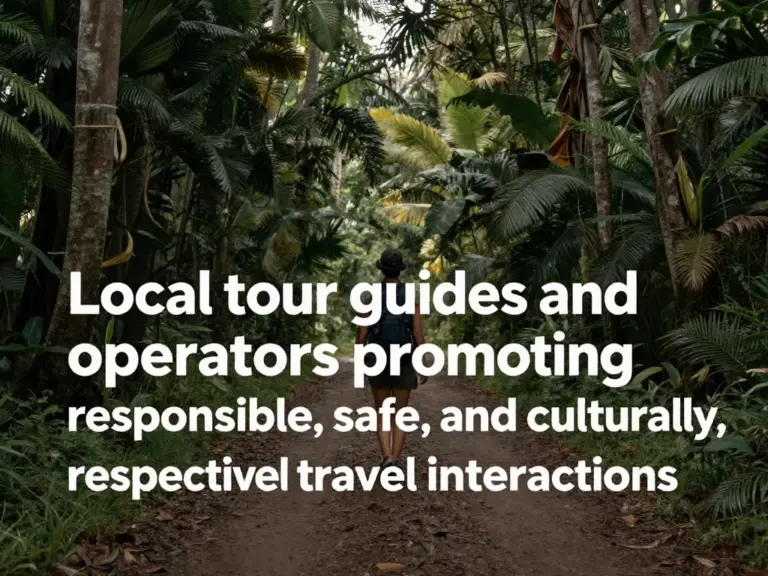
Local Guides and Tour Operators: How to Find Responsible, Safe, and Culturally Respectful Providers
- Local Guides and Tour Operators: How to Find Responsible, Safe, and Culturally Respectful Providers
Traveling through the emerald landscapes of Laos is an experience that stays with you forever. From the misty mountains of Phongsaly to the tranquil 4,000 Islands, the soul of the country is best revealed through its people. However, the quality of your experience—and the impact you leave behind—depends heavily on the professionals you choose to lead the way. Finding responsible local guides in Laos is not just about logistics; it is about ensuring your visit supports the local economy and respects the delicate cultural fabric of this landlocked gem.
The Importance of Choosing Responsible Local Guides in Laos
Responsible tourism is the cornerstone of sustainable development in Southeast Asia. When you hire responsible local guides in Laos, you are contributing to a system that prioritizes environmental conservation and social equity. These providers ensure that a significant portion of your tour fee stays within the local community, supporting schools, healthcare, and infrastructure. Furthermore, a responsible guide acts as a cultural bridge, translating not just language, but the subtle nuances of Lao etiquette that a guidebook might miss.
Key Criteria for Evaluating Tour Operators
When searching for a provider, look beyond the price tag. A low-cost tour often comes at the expense of fair wages for staff or safety standards. Consider the following factors:
- Fair Labor Practices: Do they pay their guides and drivers a living wage? Do they provide insurance or safety equipment?
- Environmental Stewardship: Does the operator have a ‘Leave No Trace’ policy? Do they discourage the use of single-use plastics during treks?
- Community Involvement: Does the operator partner with local villages for homestays or food, ensuring the money goes directly to the residents?
Safety Standards and Certifications
Safety is paramount, especially when engaging in adventure activities like kayaking in Vang Vieng or trekking in the Nam Et-Phou Louey National Park. Reliable providers will be transparent about their safety protocols. Ask about their first-aid training, emergency communication devices (especially in remote areas), and the maintenance schedule of their equipment. A professional operator will never hesitate to provide this information.
| Service Type | What to Look For | Red Flags |
|---|---|---|
| Trekking | Licensed local guides, first aid kits | No clear itinerary, no emergency plan |
| River Tours | Life jackets, experienced boatmen | Overcrowded boats, no safety gear |
| Cultural Tours | Respectful dress code guidance | Intrusive behavior in temples |
Laos is a deeply conservative and Buddhist country. A culturally respectful provider will educate you on local customs before you arrive at a sensitive site. For instance, during the morning Alms Giving ceremony (Tak Bat) in Luang Prabang, a responsible guide will ensure you maintain a respectful distance and dress appropriately. They will discourage any behavior that commodifies local traditions for the sake of a photograph.
The Role of Language and Communication
While many guides speak English, the best guides are those who can facilitate a two-way conversation between you and the locals. This fosters genuine human connection rather than a voyeuristic ‘zoo-like’ experience. When you find responsible local guides in Laos, they serve as advocates for their culture, explaining the ‘why’ behind the ‘what’.
Where to Find and Verify Providers
Finding the right partner requires a bit of research. Start with reputable platforms like Travelife for Tour Operators or local NGOs that promote sustainable tourism. Websites like Responsible Travel often vet their partners for ethical standards. Additionally, reading recent reviews on independent platforms can give you insight into a provider’s current performance regarding safety and ethics.
Summary of Best Practices for Travelers
To summarize, your journey through Laos can be a force for good. By choosing responsible local guides in Laos, you ensure that your travel dollars support the preservation of Lao culture and the protection of its stunning natural environment. Always ask questions, check for licenses, and prioritize ethics over the lowest price.
คำถามที่พบบ่อย (FAQ)
How do I know if a guide is licensed in Laos?
Licensed guides in Laos are required to wear a specific identification card or badge issued by the Ministry of Information, Culture, and Tourism. This badge usually features their photo, name, and a registration number.
Is it better to book a tour online or in person?
Booking online in advance allows you to research the company’s ethical policies and read reviews. However, booking in person at a local office can sometimes give you a better feel for the operator’s professionalism and current conditions.
What should I wear when visiting temples with a guide?
A responsible guide will remind you to cover your shoulders and knees. Both men and women should wear modest clothing; a ‘Sinh’ (traditional Lao skirt) is often appreciated for women entering sacred spaces.
Are tips expected for local guides in Laos?
While not mandatory, tipping is highly appreciated and has become common practice. It is a great way to show appreciation for excellent, responsible service, especially if the guide went above and beyond to ensure a safe and respectful trip.