Trekking in Northern Laos: The Best Trails, Difficulty Levels, and Trusted Tour Operators for Every Traveler
- Trekking in Northern Laos: The Best Trails, Difficulty Levels, and Trusted Tour Operators for Every Traveler
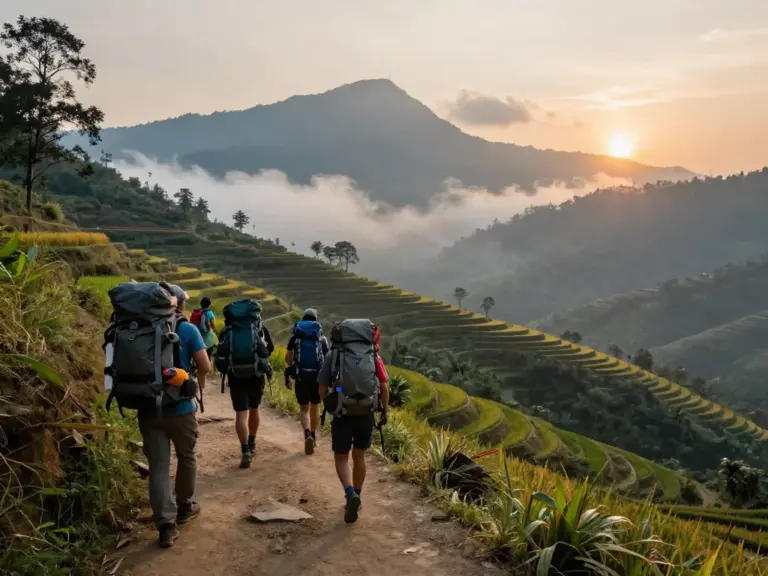
Trekking in Northern Laos offers an unparalleled adventure through mist-shrouded mountains, vibrant ethnic villages, and dense tropical rainforests. Unlike the more commercialized trails of neighboring countries, Northern Laos provides a raw, authentic experience that connects travelers deeply with nature and local cultures. Whether you are a seasoned hiker or a casual walker, the rugged landscapes of Luang Namtha, Phongsaly, and Muang Sing await your discovery.
Why Choose Trekking in Northern Laos?
Northern Laos is a mosaic of biodiversity and cultural heritage. The region is home to the Nam Ha National Biodiversity Conservation Area (NBCA), one of the most accessible yet pristine protected areas in Southeast Asia. Here, trekking isn’t just about the physical challenge; it’s an educational journey where local guides share their knowledge of medicinal plants, traditional hunting techniques, and the complex history of the hill tribes like the Akha, Hmong, and Khmu.
Top Destinations and Trails
When planning your journey, several key hubs serve as gateways to the wilderness. Each offers a unique atmosphere and varying levels of difficulty.
1. Luang Namtha: The Eco-Tourism Capital
Luang Namtha is the premier destination for eco-conscious travelers. Trails here range from gentle day walks to strenuous three-day jungle immersions. The Nam Ha NBCA is the highlight, featuring primary rainforest and river crossings.
- Difficulty: Easy to Moderate
- Highlights: Bamboo forest cooking, overnight stays in eco-lodges, and kayaking combinations.
2. Phongsaly: The Remote Frontier
For those seeking total isolation, Phongsaly is the northernmost province. It is famous for its high-altitude tea plantations and the distinct culture of the Phunoi people. The terrain here is steeper and more demanding.
- Difficulty: Moderate to Hard
- Highlights: 400-year-old tea trees and dramatic mountain vistas.
3. Nong Khiaw and Muang Ngoy
Located along the Nam Ou River, these villages offer some of the most scenic limestone karst views in the country. The ‘100 Waterfalls’ hike is a must-do for anyone visiting this region.
Difficulty Levels and What to Expect
Understanding the difficulty of your chosen trail is crucial for a safe and enjoyable experience. Most operators categorize their tours as follows:
| Level | Terrain Description | Fitness Required |
|---|---|---|
| Easy | Flat valley walks, well-defined paths. | Low – Suitable for families. |
| Moderate | Some steep inclines, jungle paths, 4-6 hours walking. | Medium – Regular hikers. |
| Hard | Very steep slopes, off-trail bushwhacking, 7+ hours walking. | High – Experienced trekkers only. |
Trusted Tour Operators
To ensure your money supports the local community and that safety standards are met, always book through reputable agencies. Here are some of the most trusted names in Laos tourism:
- Green Discovery Laos: The pioneers of adventure travel in Laos, offering professional guides and high-quality equipment.
- Forest Retreat Laos: Based in Luang Namtha, they focus on sustainable trekking and community-based tourism.
- Tiger Trail Travel: Well-known for their diverse itineraries around Luang Prabang and Nong Khiaw.
- Discovering Laos: An excellent local agency specialized in the Nam Ha area.
Essential Packing List for Trekking in Northern Laos
Packing correctly can make or break your trip. The jungle is humid, and insects are a reality. Ensure you have the following:
- Footwear: Sturdy hiking boots or high-traction trail shoes.
- Clothing: Lightweight, moisture-wicking long sleeves and trousers to protect against leeches and brush.
- Protection: High-DEET insect repellent and SPF 50+ sunscreen.
- Gear: A waterproof dry bag for electronics and a reliable headlamp for village stays.
คำถามที่พบบ่อย (FAQ)
What is the best month for trekking in Northern Laos?
The best months are from November to February. The weather is dry and cool, making long hikes much more comfortable than in the humid summer months.
Do I need a guide for trekking?
Yes, it is highly recommended and often required. Guides are essential for navigating unmarked jungle trails, communicating with ethnic villagers, and ensuring that your visit respects local customs and the environment.
Are there leeches in Northern Laos?
Yes, especially during the rainy season. To prevent bites, wear long pants tucked into socks and apply insect repellent to your shoes and lower legs.
Can I do a homestay during my trek?
Absolutely. Most multi-day treks include a village homestay. This is a highlight for many, providing a chance to eat traditional food and learn about the local way of life firsthand.
Is trekking in Northern Laos safe?
Generally, yes. However, you should be in good physical health, carry a basic first-aid kit, and always trek with a licensed operator to avoid getting lost or entering restricted areas.