Best Regions and Iconic Trails: Luang Namtha, Nong Khiaw, Muang La, and Si Phan Don
Welcome to the heart of Southeast Asia, where laos Tourism offers an authentic escape into nature and culture. From the rugged northern mountains to the tranquil southern islands, Laos provides a diverse landscape for adventurers. This guide explores four iconic regions—Luang Namtha, Nong Khiaw, Muang La, and Si Phan Don—each offering unique trails and experiences that define the spirit of Laotian exploration.
Luang Namtha: The Gateway to Northern Adventure
Located in the far north, Luang Namtha is synonymous with eco-tourism. It serves as the primary gateway to the Nam Ha National Biodiversity Conservation Area (NBCA). Here, the trails are not just paths through the woods but corridors into the lives of diverse ethnic minority groups such as the Akha, Lanten, and Khamu.
Iconic trails in this region often involve multi-day treks through primary rainforests, overnight stays in village homestays, and kayaking down the Nam Tha River. The emphasis is on sustainability and cultural immersion, making it a cornerstone of laos Tourism for responsible travelers.
Nong Khiaw: Dramatic Limestone Karsts
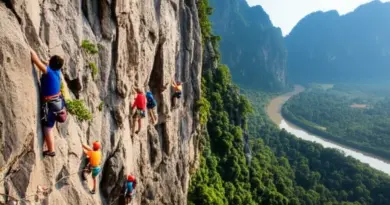
Nong Khiaw is perhaps the most visually stunning destination in northern Laos. Nestled along the banks of the Nam Ou River, it is surrounded by towering limestone cliffs. The most famous trail here is the ‘100 Waterfalls’ trek, a route that leads hikers through cascading falls tucked away in the jungle.
For those seeking a panoramic view, the Phadeng Peak viewpoint offers a challenging but rewarding climb. At the summit, hikers are treated to a 360-degree view of the river valley and the misty mountains beyond, a highlight for any photography enthusiast.
Muang La: Hidden Serenity and Hot Springs
Muang La offers a more secluded experience, away from the typical tourist circuits. This region is famous for its natural hot springs and its spiritual significance, housing the sacred Pra Xack Kham temple. Trails here wind through rice paddies and salt mines, leading to remote Ikhos and Hmong villages.
Walking in Muang La feels like stepping back in time. The pace is slow, and the interactions with locals are genuine. It is an ideal spot for those who want to combine physical activity with deep cultural learning and relaxation in therapeutic waters.
Si Phan Don: The 4,000 Islands of the South
Moving to the south, the landscape shifts dramatically at Si Phan Don (4,000 Islands). While not a traditional mountain trekking destination, the islands of Don Det and Don Khone offer iconic cycling and walking trails along the Mekong River.
Visitors can explore the remnants of the French colonial railway, visit the roaring Khone Phapheng Falls—the largest in Southeast Asia—and spot the rare Irrawaddy dolphins. The trails here are flat, making them accessible for all fitness levels while still providing breathtaking river views.
| Region | Main Attraction | Difficulty Level |
|---|---|---|
| Luang Namtha | Nam Ha NBCA Jungle Trekking | Moderate to Hard |
| Nong Khiaw | 100 Waterfalls & Viewpoints | Moderate |
| Muang La | Hot Springs & Ethnic Villages | Easy to Moderate |
| Si Phan Don | Mekong Waterfalls & Dolphins | Easy |
คำถามที่พบบ่อย (FAQ)
Q: What is the best way to get to Luang Namtha?
A: Most travelers arrive via a domestic flight from Vientiane or Luang Prabang, or take a bus from the northern borders near China or Thailand.
Q: Do I need a guide for trekking in Nong Khiaw?
A: For major trails like the 100 Waterfalls, a local guide is highly recommended for safety and to support the local economy. Shorter viewpoint hikes can often be done independently.
Q: Is Si Phan Don suitable for families?
A: Yes, the flat terrain and relaxed atmosphere make it an excellent choice for families with children who enjoy cycling and boat trips.
References
Official Laos Tourism Website
UNESCO World Heritage Sites in Laos