Exploring Laos’ National Protected Areas: The Ultimate Guide for Nature Lovers and Responsible Travelers
- Exploring Laos’ National Protected Areas: The Ultimate Guide for Nature Lovers and Responsible Travelers
Laos, often called the ‘Land of a Million Elephants,’ is a country defined by its dramatic karst landscapes, lush rainforests, and the mighty Mekong River. For the responsible traveler seeking untouched wilderness and genuine cultural immersion, the country’s ecological treasures are found within the system of **Laos’ National Protected Areas** (NPAs). These vital zones cover nearly 15% of the country and represent the best opportunities for ethical ecotourism. This guide provides nature lovers and conscientious tourists with everything they need to explore these crucial conservation zones while ensuring their visit contributes positively to local communities and biodiversity preservation.
Why Choose Ecotourism in Laos?
Ecotourism in the NPAs is crucial. It provides alternative livelihoods for local villagers, reducing pressure on natural resources and financing essential conservation efforts against poaching and illegal logging. Your travel choices directly impact the survival of endangered species.
The Importance of Laos’ National Protected Areas
Established largely in the 1990s, the network of **Laos’ National Protected Areas** (also known as National Biodiversity Conservation Areas or NBCAs) safeguards some of Southeast Asia’s most significant ecological corridors. These areas are not just parks; they are critical habitats for globally threatened species and cultural anchors for dozens of ethnic minority groups. The commitment to these protected zones reflects Laos’ dedication to sustainable development, even as it navigates economic growth.
Biodiversity Hotspots
The forests of Laos harbor incredible biodiversity, including rare and endemic species. NPAs protect the habitat of animals such as the Saola (a mysterious bovine), the Asiatic black bear, numerous species of gibbons, and various types of wild cattle like the Gaur and Banteng. Birdwatchers, in particular, will find Laos a paradise, with several NPAs serving as key migratory routes and nesting sites. Understanding the fragility of this ecosystem is the first step toward responsible visitation.
Ecotourism and Community Benefits
Successful ecotourism models in Laos are heavily community-based. When you book a trek or a homestay through an accredited local organization, a significant portion of your fee goes directly to the villages surrounding the NPA. This creates a powerful economic incentive for local people to protect the forests rather than exploit them through illegal logging or hunting. It fosters trust and ensures that the cultural authenticity of the area is maintained for future generations.
Must-Visit NPAs for the Responsible Traveler
While there are 20 official protected areas, three stand out for their accessibility, established ecotourism infrastructure, and stunning natural beauty. These spots offer some of the best experiences within **Laos’ National Protected Areas** system.
Nam Ha NPA (Luang Namtha)
Located in the northern province of Luang Namtha, Nam Ha is perhaps the most famous and successful ecotourism destination in Laos. It is recognized internationally for its community-based tourism initiatives. Visitors can engage in multi-day treks, river kayaking, and village stays, all strictly regulated to minimize environmental impact. The area is home to over 30 ethnic groups, making the cultural exchange as rich as the biodiversity. Look out for the highly successful trekking and kayaking tours organized through the Luang Namtha Provincial Tourism Office, ensuring your money directly benefits the local Khmu and Akha people.
Phou Khao Khouay NPA (Vientiane Province)
Easily accessible from the capital city of Vientiane, Phou Khao Khouay (meaning ‘Buffalo Horn Mountain’) offers diverse landscapes ranging from rugged mountains to vast sandstone plateaus. This NPA is renowned for its orchid diversity and is an excellent location for day trips or short overnight treks. It’s a vital refuge for elephants, though sightings require patience and luck. Responsible travelers should seek out guided tours that focus on waterfall hikes and forest walks, emphasizing minimal disturbance to the wildlife corridors.
Xe Pian NPA (Champasak and Attapeu)
In the southern part of Laos, near the Cambodian border, Xe Pian is a crucial wetland and forest area. It is particularly important for water birds and large mammals. Ecotourism here often involves boat trips along the wetlands and visits to villages known for their traditional crafts. The area is less developed for tourism than Nam Ha, offering a more rustic and intensive experience for those truly committed to off-the-beaten-path exploration.
Planning Your Responsible Ecotourism Trip
Permits, Guides, and Local Support
Never attempt to enter or trek through an NPA without an authorized local guide. Not only is it dangerous, but it also deprives local communities of essential income and undermines conservation efforts. Permits are generally arranged through the tourism offices in the nearest provincial capital (e.g., Luang Namtha or Pakse). Ensure your guide is certified and that the tour operator adheres to strict environmental standards, such as ‘Leave No Trace’ principles.
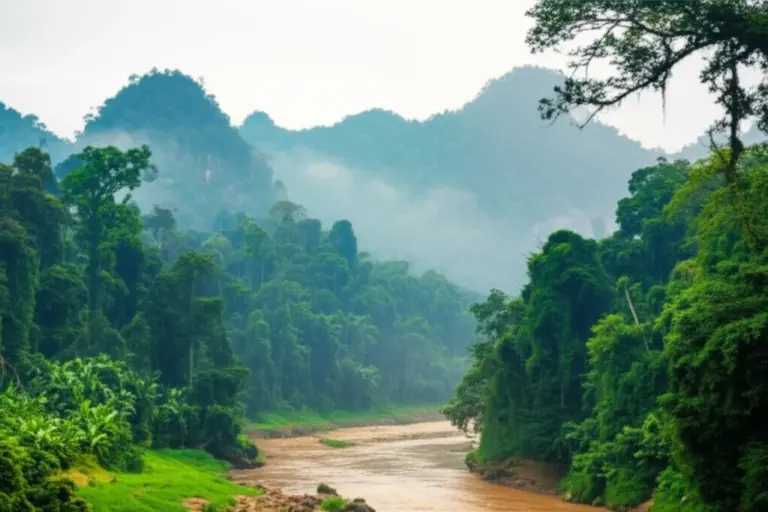
Gain a visual appreciation for the stunning natural heritage preserved within Laos’ protected zones.
Ethical Guidelines for Wildlife Encounters
When encountering wildlife—whether on a jungle trek or a river journey—maintain a respectful distance. Never feed animals, and always follow your guide’s instructions. The use of powerful flash photography is discouraged, especially near nocturnal animals. Remember that the primary goal is observation and appreciation, not interaction. Supporting legitimate bird and wildlife viewing initiatives, rather than those involving captive animals, ensures your money benefits conservation.
Conservation Challenges and How You Can Help
Despite the government’s efforts, **Laos’ National Protected Areas** face severe threats, primarily from illegal wildlife trade, shifting cultivation practices, and large-scale infrastructure projects like dams and mining. Poaching remains a persistent issue, driven by demand from neighboring countries. By choosing responsible tourism, you are actively participating in the solution. Furthermore, consider donating to reputable international and local NGOs focused on conservation in Laos, such as the Wildlife Conservation Society (WCS) or various local village funds.
Locate the various protected areas relative to the capital and major tourism hubs.
Exploring the NPAs of Laos offers an unparalleled adventure into a relatively undiscovered corner of Southeast Asia. By adhering to the principles of responsible travel—respecting local cultures, supporting community initiatives, and minimizing environmental impact—you ensure that these magnificent protected areas remain intact for the rare species they harbor and the communities they sustain. Your journey here is more than a vacation; it is an act of conservation.
คำถามที่พบบ่อย (FAQ)
References
- Wildlife Conservation Society Laos Program
- Guidelines for Responsible Ecotourism
- Mekong Tourism Resources
- Why Laos’ Protected Areas Matter: Biodiversity, Conservation Priorities, and Best Times to Visit
- Top National Protected Areas to Explore: Vientiane Plain to the Annamite Range — Highlights, Trails, and Wildlife to Expect
- Planning Your Trip: Permits, Local Guides, Sustainable Accommodation, and Transport Tips for Visiting Laos’ Protected Areas