Planning Your Trip: Permits, Local Guides, Sustainable Accommodation, and Transport Tips for Visiting Laos’ Protected Areas
- Planning Your Trip: Permits, Local Guides, Sustainable Accommodation, and Transport Tips for Visiting Laos’ Protected Areas
Laos, often referred to as the ‘Land of a Million Elephants,’ holds some of Southeast Asia’s most pristine and vital ecosystems. For travelers passionate about nature, Visiting Laos’ Protected Areas offers unparalleled opportunities to witness rare wildlife and support genuine conservation efforts. However, this type of travel demands careful planning and respect for local regulations. This comprehensive guide details everything you need to know about permits, local expertise, sustainable choices, and logistics to ensure your trip is both rewarding and responsible.
Unlike casual sightseeing in cities, entering a National Protected Area (NPA) in Laos requires official permission. This process is not merely bureaucratic; the fees collected directly fund conservation projects, anti-poaching patrols, and community development within the protected zones. Understanding the permit system is the first critical step in responsible travel planning.
Why Permits Matter: Conservation and Community Support
The permit structure ensures that visitor numbers are controlled, minimizing ecological impact. For example, in the highly regulated Nam Et-Phou Louey NPA, strict regulations govern where tourists can go and what activities they can undertake, specifically designed to protect wildlife from disturbance. Your permit fee is a direct investment in the long-term health of these ecosystems.
How to Obtain Permits
| Method | Details | Recommendation |
|---|---|---|
| Through Tour Operator | Most reputable eco-tourism operators, especially those managing specialized trips (e.g., The Gibbon Experience in Bokeo), handle all necessary permits as part of their package. | Easiest and most reliable option. |
| Provincial Tourism Office | For self-organized trips, permits can often be obtained from the Provincial Department of Information, Culture and Tourism (DICT) in the relevant province capital. | Requires more time and local language skills. |
| NPA Headquarters | In some cases, permits can be purchased directly at the entrance or administrative office of the protected area, though this is less common for major NPAs. | Only recommended if you have confirmed this option in advance. |
The Essential Role of Local Guides
Hiring a certified local guide is often mandatory, but it is always the most rewarding choice when Visiting Laos’ Protected Areas. These guides are usually members of the local ethnic groups who live adjacent to the NPA. Their knowledge is invaluable, offering insights into local culture, medicinal plants, and animal tracking that no guidebook can provide.
Safety, Expertise, and Enhanced Experience
Local guides navigate challenging terrain safely, understand weather patterns, and, critically, they know the specific rules of the NPA. Furthermore, their expertise transforms a simple hike into an educational journey. They are essential for spotting elusive wildlife and interpreting the subtle signs of the jungle. Look for guides certified through government training programs or established ecotourism projects.
Supporting Local Communities Through Ecotourism
Ecotourism projects in Laos are often designed to provide alternative livelihoods to communities that previously relied on activities detrimental to the NPA, such as poaching or unsustainable logging. By hiring a local guide, you are directly contributing to the economic incentive for conservation. For example, projects like the Nam Nern Night Safari ensure that 80% of revenue stays within the local villages.
Choosing Sustainable Accommodation in Protected Areas
Your choice of where to sleep matters profoundly in sensitive ecological zones. Sustainable accommodation minimizes environmental footprint and maximizes positive social impact. Avoid large, internationally-owned resorts near protected areas unless they can demonstrate robust sustainability practices.
Definition of Sustainable Stays
Look for eco-lodges, community-run guesthouses, or homestays that adhere to strict environmental standards. Key indicators include:
- Use of renewable energy (solar, micro-hydro).
- Effective waste management and composting systems.
- Employment of local staff in management roles, not just service roles.
- Construction using local, sustainably sourced materials and traditional designs.
Transport Tips for Remote Locations
Reaching Laos’ protected areas often involves navigating poor road conditions and remote river systems. The journey is part of the adventure, but minimizing your environmental impact during transit is essential.
Getting There: Public Transport vs. Private Hire
While private 4×4 hire offers comfort and speed, using local public transport—such as shared minivans or slow boats—reduces your carbon footprint per person and injects money directly into the local transport economy. For areas like the Phou Khao Khouay NPA, local buses run regularly from Vientiane to nearby towns, from where you can arrange onward travel with a local driver or your guide.
Internal Movement: Minimizing Environmental Impact
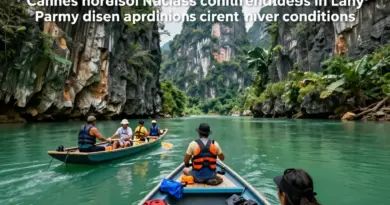
Once inside the NPA, movement should be primarily on foot or via low-impact traditional transport (e.g., long-tail boats operating on established routes). Always stick to marked trails to prevent soil erosion and disturbance of flora and fauna. Never attempt to drive off-road within a protected zone.
Watch this video for a deeper understanding of the community-based ecotourism models thriving in Laos’ remote regions, which rely heavily on sustainable travel practices.
Responsible Travel Checklist for Laos’ Protected Areas
Leave No Trace Principles
Adhering to these simple rules ensures the longevity of Laos’ natural heritage:
- Pack out everything you pack in (zero waste).
- Observe wildlife from a distance; never feed or touch animals.
- Do not remove plants, rocks, or historical artifacts.
- Use biodegradable soaps and detergents, and avoid polluting water sources.
- Learn a few basic Lao phrases to show respect to your hosts.
By meticulously planning your trip—securing the proper permits, utilizing the expertise of local guides, choosing sustainable stays, and traveling responsibly—you contribute directly to the crucial work of conservation in Laos. Your journey into the heart of the NPAs will be rewarding, knowing that you are supporting the protection of one of Asia’s last truly wild frontiers.
คำถามที่พบบ่อย (FAQ)
Nam Et-Phou Louey NPA (known for wildlife viewing and night safaris) and the Bokeo Nature Reserve (home of the Gibbon Experience) are among the most famous for organized ecotourism projects. These areas have well-developed infrastructure tailored for responsible tourism.
While some less-restricted buffer zones may allow self-guided visits, it is highly recommended, and often mandatory, to hire a local guide, especially in remote National Protected Areas (NPAs). Guides ensure safety, enhance the experience through local knowledge, and directly support the local economy.
It is best to arrange permits at least 2 to 4 weeks in advance, especially during peak season (October to March). This is typically done by contacting the provincial tourism office or booking through a reputable eco-tour operator who will handle the logistics for you.
The cool dry season, running from November to February, offers the most pleasant trekking weather. The shoulder seasons (October and March) are also excellent, offering fewer crowds and lush scenery, though some roads may still be challenging after the wet season.
References
- Lao National Tourism Administration Official Website
- Wildlife Conservation Society (WCS) Laos Programs
- Mekong Tourism Coordinating Office Ecotourism Guidelines
- Exploring Laos’ National Protected Areas: The Ultimate Guide for Nature Lovers and Responsible Travelers
- Why Laos’ Protected Areas Matter: Biodiversity, Conservation Priorities, and Best Times to Visit
- Top National Protected Areas to Explore: Vientiane Plain to the Annamite Range — Highlights, Trails, and Wildlife to Expect