Top National Protected Areas to Explore: Vientiane Plain to the Annamite Range — Highlights, Trails, and Wildlife to Expect
- Top National Protected Areas to Explore: Vientiane Plain to the Annamite Range — Highlights, Trails, and Wildlife to Expect
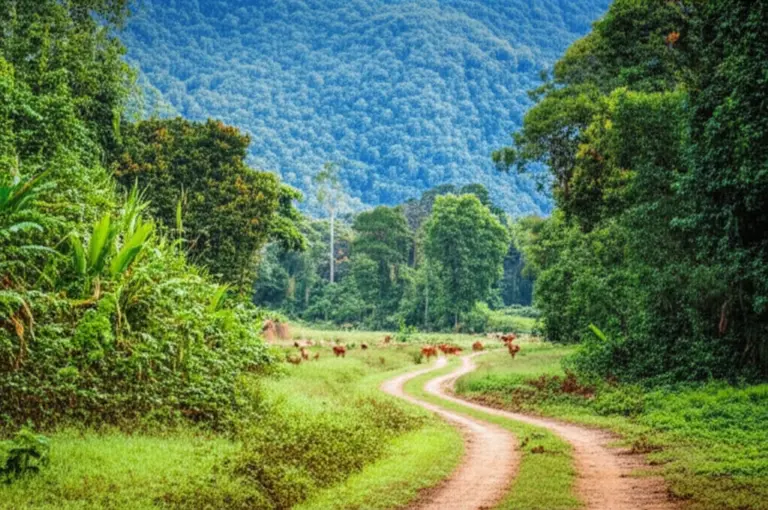
Laos, the ‘Land of a Million Elephants,’ boasts some of Southeast Asia’s most pristine and crucial ecosystems. For travelers seeking authentic experiences beyond the temples, exploring the country’s extensive network of National Protected Areas (NPAs) is essential. These regions span vast geographical differences, from the flatlands near the capital to the rugged peaks of the Annamite Range bordering Vietnam. This guide highlights the top destinations and what you can expect when visiting the best Protected Areas Laos has to offer, emphasizing responsible ecotourism and conservation efforts.
The Importance of Ecotourism
Visiting NPAs supports local communities and provides crucial funding for conservation initiatives, helping protect endangered species like the Saola and various primate populations. Always book tours through licensed, locally-operated ecotourism projects.
Phou Khao Khouay National Protected Area: The Vientiane Gateway
Located less than 50 kilometers northeast of Vientiane, Phou Khao Khouay (PKK) is arguably the most accessible NPA for tourists entering Laos. Situated on the Vientiane Plain, this protected area spans over 2,000 square kilometers of rugged sandstone mountains, plateau forests, and deep river gorges. It serves as a vital green lung close to the nation’s capital.
Highlights and Accessible Trails
- Tad Leuk Waterfall: A popular, easily accessible spot perfect for cooling off after a short hike. The surrounding area often features orchid displays during the wet season.
- Elephant Observation Towers: While wild elephant sightings are rare, PKK is known for its resident herd. Guided treks often lead to salt licks or observation platforms where patient visitors might spot them.
- Nam Mang River Trails: These trails offer multi-day trekking options, allowing visitors to experience diverse forest types, including bamboo groves and evergreen forest.
PKK is perfect for day-trippers or those looking for an introduction to the Lao wilderness without venturing too far from urban centers. Remember to hire an official guide from one of the local villages surrounding the park entrance to ensure safety and adherence to park regulations.
The Central Wilderness: Nakai-Nam Theun NPA
Moving eastward towards the rugged spine of the Annamite Range, we encounter the massive Nakai-Nam Theun (NNT) NPA, one of the most biodiverse areas in the world. This region is famous for the Nakai Plateau and the resulting reservoir, but its true claim to fame lies in its unparalleled concentration of endemic and highly endangered species.
Wildlife and Conservation Focus
| Species Highlight | Status & Description |
|---|---|
| Saola (Asian Unicorn) | Critically Endangered. NNT is one of the last confirmed habitats for this elusive forest bovine. Sightings are extremely rare, but their presence drives intense conservation efforts. |
| Red-shanked Douc | One of the world’s most beautiful primates. Found primarily in the Annamite forests, they are a major draw for wildlife photographers. |
| Large Bird Species | Home to several species of hornbills, pheasants, and raptors due to the vast, unspoiled forest canopy. |
Ecotourism in NNT often centers around the Nam Theun reservoir, where boat trips offer stunning views of flooded forest landscapes and opportunities to spot aquatic birds. The region is challenging to access but rewards intrepid travelers with genuine wilderness experiences.
Tracking the Wild North: Nam Et-Phou Louey NPA
Further north along the Annamite foothills, Nam Et-Phou Louey (NEPL) NPA offers one of Laos’s most successful models of community-based ecotourism. Located in Houaphan and Luang Prabang provinces, NEPL is famous for its ‘Night Safari’ tours, specifically designed to give tourists the best possible chance of seeing nocturnal wildlife.
The Night Safari Experience
The Night Safari involves traveling by boat or truck with trained local guides, using spotlights to search for animals in the dark. The money generated directly benefits the villagers who have agreed to protect the wildlife in their area. This innovative approach has made NEPL a global benchmark for conservation tourism.
While the area is known as a Tiger Protected Area, the chance of seeing a tiger is virtually zero. However, visitors frequently spot highly sought-after species such as Sambar Deer, various species of civets, loris, and occasionally, rare leopard cats or wild dogs. The experience emphasizes tracking and learning about the ecosystem, making it a highly rewarding adventure.
Planning Your Responsible Ecotourism Adventure
To truly appreciate the biodiversity of these Protected Areas Laos, careful planning is crucial. Accessing remote areas, especially those deep within the Annamite Range, requires time, patience, and coordination with official tourism offices or established tour operators.
Essential Travel Tips for NPAs
-
Book Local, Go Guided
Always use local guides certified by the NPA management. This ensures your money supports the local economy and conservation efforts, and guarantees you follow safe, legal trails.
-
Respect the Wildlife Code
Maintain distance, never feed animals, and minimize noise. The goal is observation, not interaction.
-
Pack Out Everything
Practice ‘Leave No Trace’ principles. Do not leave any waste, including organic materials, as it can disrupt the ecosystem.
The contrast between the easily accessible Vientiane Plain parks and the remote, mountainous terrain of the Annamite Range offers a spectrum of trekking and wildlife experiences. Whether you choose a gentle hike to a waterfall in PKK or a multi-day wildlife tracking expedition in NEPL, Laos’s natural heritage promises an unforgettable journey.
คำถามที่พบบ่อย (FAQ)
References
Wildlife Conservation Society (WCS) Projects in Laos
- Exploring Laos’ National Protected Areas: The Ultimate Guide for Nature Lovers and Responsible Travelers
- Why Laos’ Protected Areas Matter: Biodiversity, Conservation Priorities, and Best Times to Visit
- Planning Your Trip: Permits, Local Guides, Sustainable Accommodation, and Transport Tips for Visiting Laos’ Protected Areas