Safety, Skill Levels, and Equipment Guide: River Conditions, Rapids, and What to Bring
- Safety, Skill Levels, and Equipment Guide: River Conditions, Rapids, and What to Bring
- Understanding Laos River Conditions
- Decoding Rapids: The International Scale of River Difficulty
- Assessing Your Skill Level for Laos River Safety Guide
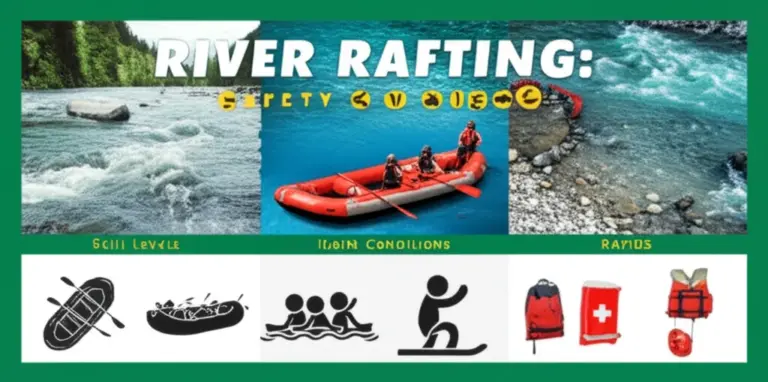
- Essential Equipment for Laos River Adventures
- Safety First: Best Practices for River Travel
- คำถามที่พบบ่อย (FAQ)
- What is the best time of year for river activities in Laos?
- Do I need to be a strong swimmer to go tubing or kayaking in Laos?
- What should I do if I fall out of my boat in rapids?
- Are there any specific local regulations or customs I should be aware of for river trips?
Embarking on a river adventure in Laos promises breathtaking scenery and unforgettable experiences. From the mighty Mekong to the tranquil Nam Song, Laos’ waterways offer a unique perspective of its lush landscapes and vibrant culture. However, like any outdoor activity, river excursions come with inherent risks. This comprehensive Laos river safety guide will equip you with essential knowledge about river conditions, rapid classifications, necessary skill levels, and the critical equipment you’ll need to ensure a safe and enjoyable journey. Whether you’re planning to kayak, raft, or simply take a boat trip, understanding these elements is paramount for a responsible and thrilling adventure.
Understanding Laos River Conditions
Laos’ river conditions are heavily influenced by its tropical monsoon climate, which dictates distinct wet and dry seasons. These seasonal variations dramatically impact water levels, currents, and overall river characteristics, directly affecting safety and the type of activities possible.
Seasonal Variations: Wet vs. Dry Season
- Wet Season (May to October): Characterized by heavy rainfall, leading to significantly higher water levels and stronger currents. Rivers can become swollen, faster, and more challenging, with rapids intensifying. Debris carried by the current is also more common. This season is often preferred by experienced rafters seeking more exhilarating challenges, but it demands greater caution and expertise.
- Dry Season (November to April): Rivers are generally lower, calmer, and clearer. Currents are less forceful, and rapids are milder or may even disappear in some sections. This period is ideal for beginners and those seeking a more relaxed experience, such as gentle kayaking or tubing. However, low water can expose rocks and create new obstacles, requiring careful navigation.
Key Rivers in Laos
While the Mekong River is the most famous, several other rivers offer fantastic opportunities:
- Mekong River: The lifeblood of Laos, offering everything from multi-day cruises to shorter boat trips. While generally wide and slow-moving in many sections, it can have powerful currents and occasional rapids, particularly in the south (e.g., Si Phan Don – 4000 Islands).
- Nam Song River (Vang Vieng): Famous for its tubing and kayaking activities. In the dry season, it’s generally calm and accessible for beginners. In the wet season, it can become faster and more challenging, requiring more caution.
- Nam Ou River: Flowing through northern Laos, offering stunning scenery and a mix of calm sections and moderate rapids, particularly appealing for multi-day kayaking or longboat trips.
Decoding Rapids: The International Scale of River Difficulty
Understanding the International Scale of River Difficulty is crucial for assessing the challenge a river presents and matching it with your skill level. Rivers are classified from Class I (easiest) to Class VI (most difficult).
| Class | Description | Skill Level |
|---|---|---|
| Class I | Moving water with small ripples, few or no obstacles. Easy to navigate. | Beginner / Novice |
| Class II | Straightforward rapids with wide, clear channels. Some maneuvering required. | Beginner / Intermediate |
| Class III | Rapids with irregular waves, narrow passages, and obstacles. Moderate difficulty, requiring good maneuvering. | Intermediate |
| Class IV | Long, powerful rapids with constricted passages, large waves, and drops. Requires precise maneuvering and quick reactions. | Advanced / Expert |
| Class V | Extremely long, violent, and obstructed rapids. High risk, requires expert skill, reliable rescue, and full scouting. | Expert Only |
| Class VI | Considered unrunnable or extremely dangerous. For teams of experts only, with successful runs rare. | Extreme Expert |
Assessing Your Skill Level for Laos River Safety Guide
Honest self-assessment is key to a safe river experience. Never overestimate your abilities, especially when dealing with unfamiliar river conditions. Consider the following:
- Beginner: Comfortable in calm water, can swim confidently, no prior experience with rapids. Suitable for Class I-II rivers, often with a guide.
- Intermediate: Some experience with Class II-III rapids, can maneuver a boat effectively, understands basic river hydrology. Suitable for guided Class II-III trips, or unguided Class I-II.
- Advanced: Extensive experience with Class III+ rapids, strong paddling and maneuvering skills, proficient in self-rescue and assisting others. Can undertake more challenging guided expeditions.
Always communicate your experience level truthfully to your tour operator. They can recommend suitable trips and provide appropriate instruction and gear.
Essential Equipment for Laos River Adventures
Proper equipment is non-negotiable for river safety. Ensure you have, or that your tour operator provides, the following:
-
Personal Flotation Device (PFD) / Life Vest
Always wear a properly fitted PFD. It should be snug but comfortable, and approved for water sports. Never rely on your swimming ability alone.
-
Helmet
Essential for any rapids Class II or higher, or if there’s a risk of hitting your head on rocks or low-hanging branches.
-
Appropriate Clothing
Quick-drying, lightweight clothing is best. Long sleeves and pants offer sun protection. Avoid cotton, which stays wet and can cause chafing.
-
Footwear
Water shoes, sturdy sandals with straps (e.g., Tevas, Chacos), or old sneakers are ideal. Avoid flip-flops, which can easily come off.
-
Dry Bag
Crucial for keeping your valuables (phone, camera, wallet) and spare clothes dry. Ensure it’s properly sealed.
-
First-Aid Kit
A basic kit with bandages, antiseptic wipes, pain relievers, and any personal medications is vital. Your guide should also carry one.
-
Sun Protection
Sunscreen (high SPF), a wide-brimmed hat, and sunglasses are essential to protect against the strong tropical sun.
-
Hydration
Carry plenty of water to stay hydrated throughout your trip, especially in the heat.
Safety First: Best Practices for River Travel
Beyond equipment and skill, adopting a safety-first mindset is your best defense against potential hazards:
For anything beyond the calmest waters, always join a reputable tour operator with experienced, certified guides. They know the river, local conditions, and emergency procedures.
Don’t attempt activities beyond your comfort or skill level. Acknowledge when conditions are too challenging for you.
Before setting out, check the weather forecast and ask locals or your guide about current river conditions. Be aware of sudden changes.
Always travel with at least one other person or, ideally, as part of a guided group. In an emergency, having others can be life-saving.
River Safety Basics – What You Need to Know
Watch this video for a general overview of essential river safety tips that apply to various water sports.
River adventures in Laos offer unparalleled beauty and excitement. By understanding river conditions, accurately assessing your skill level, bringing the right equipment, and adhering to safety best practices, you can ensure your journey is not only thrilling but also safe and responsible. Always respect the power of nature and the expertise of local guides. Enjoy the magnificent rivers of Laos!