Protecting Laos’ Natural Ecosystems: Responsible Wildlife Viewing, Leave-No-Trace Principles, and Sustainable Accommodation Choices
- Protecting Laos’ Natural Ecosystems: Responsible Wildlife Viewing, Leave-No-Trace Principles, and Sustainable Accommodation Choices
Laos, often referred to as the ‘Jewel of the Mekong,’ boasts some of the most pristine and biodiverse landscapes in Southeast Asia. From the rugged karst mountains of Vang Vieng to the dense tropical rainforests of the Nam Et-Phou Louey National Park, the country’s natural beauty is its greatest asset. However, as tourism continues to grow, the responsibility of protecting Laos’ natural ecosystems falls upon every traveler. By adopting ethical wildlife practices, adhering to Leave-No-Trace principles, and selecting sustainable accommodations, we can ensure that Laos remains a vibrant sanctuary for generations to come.
The Importance of Protecting Laos’ Natural Ecosystems
Laos is home to an incredible array of flora and fauna, including endangered species like the Asian elephant, the clouded leopard, and the rare Saola. These ecosystems provide vital services, such as clean water, carbon sequestration, and livelihoods for local ethnic groups. Unfortunately, habitat loss and unregulated tourism pose significant threats. Protecting Laos’ natural ecosystems requires a conscious effort to minimize our footprint and support conservation initiatives that prioritize long-term ecological health over short-term profit.
Responsible Wildlife Viewing in Laos
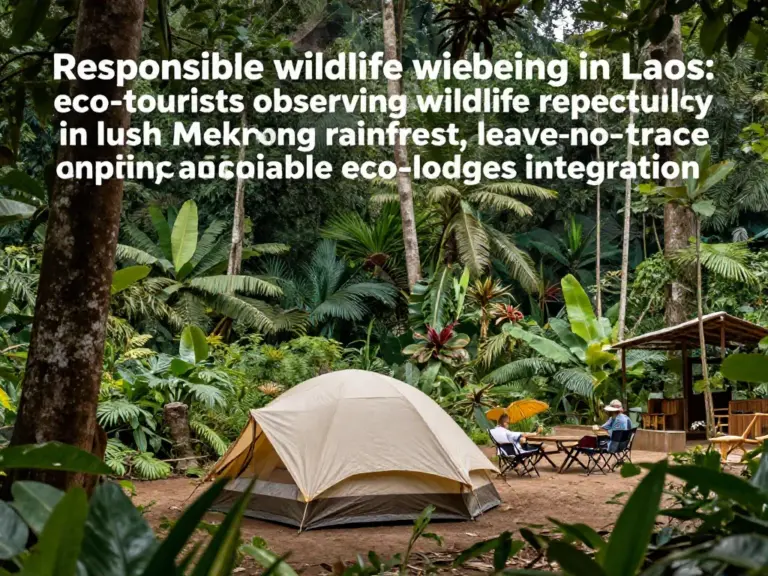
Wildlife encounters are a highlight of any trip to Laos, but they must be handled with extreme care. Ethical wildlife tourism means observing animals in their natural habitat without causing stress or altering their behavior.
- Keep Your Distance: Never approach, touch, or feed wild animals. Use binoculars or long-range lenses for photography.
- Choose Ethical Sanctuaries: Avoid ‘attractions’ that offer elephant riding or performances. Instead, visit places like the Elephant Conservation Center in Sayaboury.
- Support Community-Led Tours: Programs like the Nam Et-Phou Louey Night Safari empower locals to protect wildlife by providing alternative income to poaching.
Leave-No-Trace Principles for the Lao Wilderness
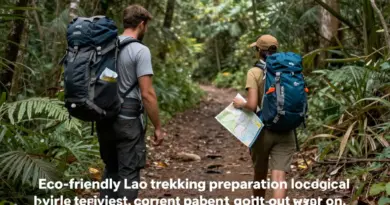
The Leave-No-Trace (LNT) framework is essential for anyone trekking through the jungles or kayaking down the Mekong. These principles help maintain the integrity of the wilderness.
- Plan Ahead and Prepare: Know the regulations of the National Protected Areas (NPAs) and bring reusable water bottles to avoid plastic waste.
- Dispose of Waste Properly: ‘Pack it in, pack it out.’ If you find trash left by others, consider picking it up to leave the trail better than you found it.
- Leave What You Find: Avoid taking plants, rocks, or cultural artifacts. In Laos, many sites hold spiritual significance for local tribes.
- Minimize Campfire Impacts: Use a lightweight stove for cooking instead of building fires, which can lead to forest fires during the dry season.
Choosing Sustainable Accommodations
Where you choose to sleep has a massive impact on the environment. Sustainable accommodations in Laos range from luxury eco-lodges to community-based homestays. These establishments often use renewable energy, practice greywater recycling, and employ local staff.
| Type of Stay | Eco-Benefit | Recommended Location |
|---|---|---|
| Eco-Lodges | Low impact construction & solar power | Luang Namtha |
| Community Homestays | Direct support to local economy | Nong Khiaw |
| Conservation Camps | Funding for forest patrols | Nam Kan National Park |
By staying at places like the Gibbon Experience, you are directly funding the protection of the forest through sustainable tourism revenue, which pays for forest guards and community development.
Protecting Laos’ natural ecosystems is not a solo mission; it is a collective effort between the Lao government, local communities, and international visitors. By making conscious decisions—whether it’s refusing a plastic straw, choosing a responsible tour operator, or respecting the silence of the jungle—we help preserve the magic of Laos. Let us travel with purpose and leave only footprints, so that the ‘Land of a Million Elephants’ can thrive for centuries to come.
คำถามที่พบบ่อย (FAQ)
References
- Official Laos Tourism Website
- Leave No Trace Center for Outdoor Ethics
- Nam Et-Phou Louey National Park Conservation
- Sustainable Travel in Laos: Practical Tips to Minimize Your Environmental and Cultural Impact
- How to Plan an Eco-Friendly Laos Trip: Best Times to Visit, Low-Impact Transportation, and Responsible Tour Operators
- Respecting Local Communities and Culture: Ethical Behavior, Supporting Local Businesses, and Engaging with Indigenous Practices