Respecting Local Communities and Culture: Ethical Behavior, Supporting Local Businesses, and Engaging with Indigenous Practices
- Respecting Local Communities and Culture: Ethical Behavior, Supporting Local Businesses, and Engaging with Indigenous Practices
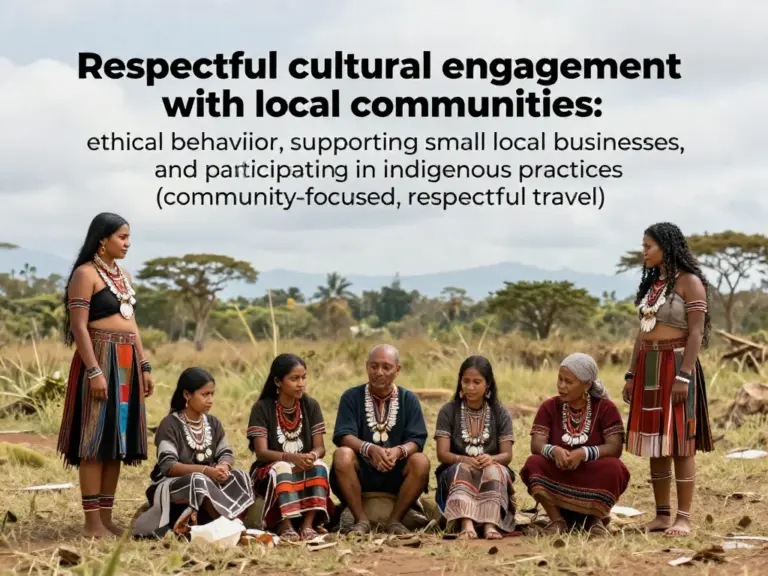
Traveling to Laos offers a profound opportunity to connect with a culture rooted in kindness, spirituality, and a deep respect for tradition. However, as tourism grows, the responsibility of the traveler to maintain the integrity of these local communities becomes paramount. Respecting Local Communities and Culture is not just about following rules; it is about fostering a meaningful exchange that benefits both the visitor and the host.
Ethical behavior starts with understanding the local norms. Laos is a conservative Buddhist country where modesty and ‘saving face’ are vital. Visitors should dress respectfully, especially when visiting temples, by covering shoulders and knees. Public displays of affection are generally frowned upon, and maintaining a calm, soft-spoken demeanor is highly appreciated. Touching someone on the head is considered offensive, as the head is the most sacred part of the body, while the feet are considered the lowest.
Supporting Local Businesses for Sustainable Growth
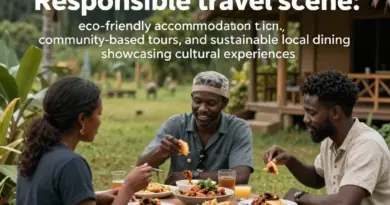
One of the most impactful ways of Respecting Local Communities and Culture is through your spending habits. Instead of opting for international chains, seek out family-owned guesthouses, local eateries, and traditional markets. By purchasing handicrafts directly from artisans in villages like Ban Phanom or Luang Prabang, you ensure that the profit stays within the community, supporting the preservation of ancient weaving and pottery techniques.
- Eat at ‘mom-and-pop’ restaurants to taste authentic Lao cuisine.
- Hire local guides who possess indigenous knowledge of the land.
- Stay in eco-lodges that employ staff from nearby villages.
Engaging with Indigenous Practices and Traditions
Laos is home to diverse ethnic groups, including the Hmong, Khmu, and Akha, each with unique customs. Engaging with indigenous practices requires a high level of sensitivity. If you are invited to a Baci ceremony (a traditional soul-calling ritual), participate with humility. When visiting remote villages, always ask for permission before taking photographs of people or their homes. Understand that some rituals are sacred and not meant for tourist entertainment.
The Alms Giving Ceremony (Sai Bat)
The daily morning alms giving in Luang Prabang is a beautiful tradition that requires strict ethical conduct. To show respect, maintain a respectful distance, do not use flash photography, and do not disrupt the procession. If you wish to participate, do so only if it is meaningful to you, and dress appropriately. This is a religious practice, not a photo opportunity.
คำถามที่พบบ่อย (FAQ)
What is the most important rule of etiquette in Laos?
How can I ensure my money benefits local people?
Is it okay to take photos of monks?
What should I do if I am invited to a local home?
References
- Official Laos Tourism Website
- UNESCO World Heritage Centre – Luang Prabang
- Ock Pop Tok Living Crafts Centre
- Sustainable Travel in Laos: Practical Tips to Minimize Your Environmental and Cultural Impact
- How to Plan an Eco-Friendly Laos Trip: Best Times to Visit, Low-Impact Transportation, and Responsible Tour Operators
- Protecting Laos’ Natural Ecosystems: Responsible Wildlife Viewing, Leave-No-Trace Principles, and Sustainable Accommodation Choices