Comparing Trek Routes and Day-by-Day Itineraries: Popular Trails, Duration, and What to Expect on the Trail
Laos, known for its pristine natural landscapes and deeply rooted traditional culture, has become a premier destination for sustainable eco-tourism. Unlike the crowded paths of neighboring countries, trekking here promises authentic village encounters, stunning waterfall vistas, and quiet jungle immersion. This guide breaks down the most celebrated trekking regions, providing a clear comparison of itineraries and what you should prepare for on the trail.
Discovering the Diversity of Laos Trek Routes
The diversity of the Lao landscape means that trekking experiences vary dramatically depending on the region. Northern Laos is characterized by rugged mountains and ethnic minority villages, while Southern Laos is famous for its flat plateaus, coffee plantations, and spectacular waterfalls. Knowing the geographical context helps set expectations regarding physical challenge and cultural exposure.
Popular Trekking Destinations and Itineraries
Here is a detailed look at three of the most popular trekking areas in Laos, complete with typical day-by-day itineraries and expected experiences.
The Luang Prabang Highland Experience (2-3 Days)
Luang Prabang, a UNESCO World Heritage city, serves as the gateway to stunning northern hill tribe country. Treks here often focus on cultural immersion with the Hmong, Khmu, and Lahu people, coupled with visits to natural landmarks like Kuang Si Falls.
- Day 1: Transfer to the starting point. Trek 4-6 hours through rice paddies and jungle up to a Khmu village. Overnight homestay, sharing a traditional meal with the family.
- Day 2: Morning walk to a waterfall (e.g., Tad Sae or Kuang Si). Enjoy swimming and lunch. Afternoon trek downhill or take a boat ride back to Luang Prabang.
Vang Vieng: Limestone Karst and Cave Treks (1-2 Days)
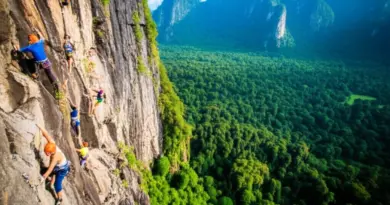
Vang Vieng offers shorter, more accessible treks characterized by dramatic limestone karst scenery. The focus here is often on physical activity combined with exploration of water caves (like Tham Phu Kham) and viewpoints (like Pha Ngern). These trails are generally easier to navigate and can often be done without a multi-day commitment.
A typical 1-day trek involves cycling or driving across the Nam Song river, climbing to a viewpoint for panoramic views of the surrounding rice fields, and concluding with a visit to a blue lagoon or cave. While less remote than northern options, the views are unparalleled.
The Southern Charm: Bolaven Plateau Coffee Trails (3-4 Days)
Located near Pakse, the Bolaven Plateau is cooler, wetter, and famous for its high-quality coffee and massive waterfalls. Treks here are less strenuous in terms of elevation gain but cover longer distances, often combining walking with motorbike loops. This area provides insight into agricultural life and the unique culture of the Alak and Katou people.
- Day 1: Start in Pakse/Tad Lo. Trek through coffee plantations and visit smaller waterfalls (like Tad Yuang or Tad Fane). Overnight in a guesthouse or village.
- Day 2: Long hike (6-7 hours) through dense forest and bamboo groves, focusing on the indigenous Alak villages. Learn about traditional weaving and farming techniques.
- Day 3: Morning trek to a final waterfall viewpoint. Transfer back to Pakse, often passing through local markets.
Comparing Trekking Logistics and Difficulty
Choosing the right trek depends heavily on your fitness level, time constraints, and desired experience. The table below offers a quick comparison of the main Laos Trek Routes.
| Route | Duration | Difficulty | Key Highlights | Accommodation |
|---|---|---|---|---|
| Luang Prabang Highlands | 2-3 Days | Moderate to Hard | Hill tribe cultural immersion, mountain views, waterfalls. | Village Homestays (Basic) |
| Vang Vieng Karst | 1-2 Days | Easy to Moderate | Karst landscape views, accessible caves, blue lagoons. | Guesthouses/Basic Huts |
| Bolaven Plateau | 3-4 Days | Moderate (Long distance) | Coffee plantations, massive waterfalls, agricultural life. | Guesthouses/Village Lodges |
Essential Tips for Trekking in Laos
When embarking on any of the Laos Trek Routes, preparedness is paramount. The environment is rugged, and infrastructure outside major towns is minimal. Always book your trek through a reputable, locally-based eco-tourism operator. This ensures that the money directly benefits the local communities you visit and guarantees guide quality.
- Insect Protection: Mosquito repellent is non-negotiable, especially during the wet season (May to October).
- Water Purification: Carry purification tablets or a filter. While water is often provided by guides, extra precaution is wise.
- Footwear: Waterproof hiking boots are recommended. Trails can be slick, muddy, and uneven.
- Cultural Respect: Bring small gifts (like school supplies) for villages, but always offer them to the village elder or guide, not directly to children. Dress modestly, especially when visiting temples or remote villages.
The adventure awaiting you in Laos is profoundly rewarding. By comparing the different routes and understanding the day-by-day commitments, you can ensure a memorable and responsible journey through this captivating country.
คำถามที่พบบ่อย (FAQ)
References
- Best Trekking Bases in Laos: Luang Namtha vs. Nong Khiaw — Which Is Right for Your Adventure?
- Why Travelers Choose Luang Namtha or Nong Khiaw for Trekking: Overview of Landscapes, Difficulty Levels, and Best Seasons
- Local Culture, Homestays, and Responsible Tourism: Interacting with Ethnic Communities, Permits, and Eco-Friendly Guides