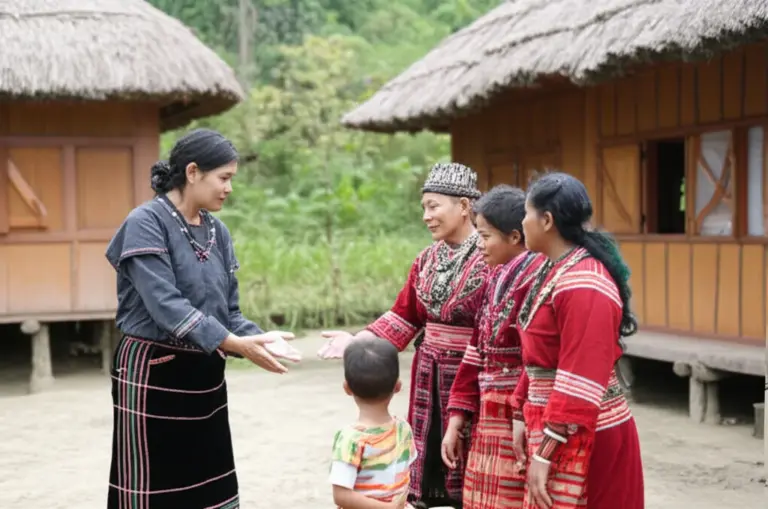
Local Culture, Homestays, and Responsible Tourism: Interacting with Ethnic Communities, Permits, and Eco-Friendly Guides
- Local Culture, Homestays, and Responsible Tourism: Interacting with Ethnic Communities, Permits, and Eco-Friendly Guides
- The Essence of Responsible Tourism in Laos
- Immersing in Local Culture: The Homestay Experience
- Interacting Respectfully with Ethnic Communities
- Navigating Permits and Regulations for Community Visits
- The Role of Eco-Friendly Guides and Sustainable Practices
- Conclusion: Traveling Sustainably, Enriching Lives
- คำถามที่พบบ่อย (FAQ)
Laos, the ‘Land of a Million Elephants,’ offers a profound travel experience rooted in its gentle culture and stunning natural landscapes. However, as tourism grows, the need for sustainable and ethical practices becomes paramount. Embracing Responsible Tourism in Laos is not just a trend; it is a necessity that preserves the country’s unique heritage and supports its diverse ethnic populations. This guide provides essential insights into navigating local culture, choosing ethical homestays, securing necessary permits, and partnering with eco-friendly guides to ensure your journey is enriching for both you and the communities you visit.
The Essence of Responsible Tourism in Laos
Responsible Tourism in Laos fundamentally means traveling with intention. It involves actively minimizing negative socio-cultural and environmental impacts while maximizing positive contributions. Given Laos’ status as one of Southeast Asia’s least developed nations, the choices travelers make—from accommodation to transportation—have a direct and immediate effect on local livelihoods and fragile ecosystems. A responsible traveler seeks genuine connection over mere consumption.
Immersing in Local Culture: The Homestay Experience
Choosing a homestay over a large hotel chain is one of the most impactful ways to practice responsible travel. Homestays offer an unparalleled opportunity to live the local life, share meals, and learn basic Lao or minority languages. This direct interaction fosters mutual respect and channels funds directly into the hands of local families.
Choosing Ethical Homestays
When selecting accommodation, look for homestays that are genuinely family-run and participate in recognized community-based tourism (CBT) initiatives. These programs usually ensure fair pricing and adherence to ethical standards. Avoid facilities that displace locals or are merely fronts for large, external investors. Always verify that the homestay is registered with local authorities.
Essential Homestay Etiquette
- Modesty: Dress conservatively, especially in communal areas or when eating. Shoulders and knees should generally be covered.
- Asking Permission: Always ask before taking photos of people, especially elders or children. A simple gesture or asking “Khaw thot, pai thâi hâup dai boh?” (Excuse me, may I take a photo?) goes a long way.
- Shoes Off: Remove your shoes before entering any home or temple (wat).
- Respecting the Head: Never touch a person’s head, as it is considered the most sacred part of the body.
Interacting Respectfully with Ethnic Communities
Laos is home to over 49 recognized ethnic groups, often categorized by their settlement altitude (Lowland Lao, Mid-land Lao, and Highland Lao). Visiting these communities requires heightened sensitivity and awareness to avoid cultural appropriation or disruption.
Understanding Laos’ Diverse Ethnic Landscape
From the Hmong in the mountains to the Khmu and the various Mon-Khmer groups, each community possesses distinct languages, spiritual beliefs, and traditional clothing. Prior education about the specific village you are visiting is crucial. The goal is to observe and learn, not to intrude or impose modern values.
Guidelines for Cultural Sensitivity
Purchase traditional crafts directly from the artisans. Negotiate fairly, but remember that these items represent hours of labor and cultural heritage. Supporting their economy through direct purchase is far more beneficial than charity.
Access to certain remote areas or villages practicing community-based eco-tourism (CBT) often requires official permission. These regulations are in place to manage tourist flow, protect fragile sites, and ensure that the community is prepared for visitors.
When and Where Permits are Required
If you are planning multi-day treks, especially those involving overnight stays in remote ethnic villages or protected national park areas, permits are almost always mandatory. In most cases, these permits are obtained by the certified tour operator or eco-guide you hire. Attempting to enter restricted areas without proper documentation can lead to fines or, worse, unintended cultural misunderstandings.
Supporting Local Governance
The fees collected through these permits are essential for the maintenance of trails, waste management, and, crucially, for providing revenue streams directly to the village funds. By ensuring your guide handles the permits correctly, you are actively participating in the legal and sustainable governance of tourism in Laos.
Visualizing Ethical Travel
Understanding the principles of sustainable travel directly impacts the success of Responsible Tourism in Laos.
The Role of Eco-Friendly Guides and Sustainable Practices
Your choice of guide is perhaps the single most important decision for practicing ethical tourism. An eco-friendly guide acts as a cultural bridge, ensuring respectful interactions and adhering to environmental best practices.
Identifying Certified Eco-Guides
Look for guides certified by recognized Lao tourism bodies or those affiliated with established ethical tourism organizations. A truly eco-friendly guide will:
- Be local to the area, speaking the relevant dialect.
- Carry permits and explain the rules of the village/protected area.
- Adhere strictly to ‘Leave No Trace’ principles.
- Ensure fair wages for porters and local service providers.
Practical Tips for Eco-Friendly Travel
| Practice | Action for Sustainability |
|---|---|
| Waste Management | Carry all non-biodegradable trash out of remote areas. Minimize plastic use by carrying a reusable water bottle. |
| Resource Use | Conserve water and electricity, especially during homestays. Remember, these resources may be scarce. |
| Wildlife Interaction | Never feed wild animals or purchase products made from endangered species (e.g., ivory, certain animal skins). |
Conclusion: Traveling Sustainably, Enriching Lives
Traveling through Laos is a privilege, offering glimpses into ancient traditions and stunning natural beauty. By consciously engaging in Responsible Tourism in Laos—choosing ethical homestays, respecting ethnic customs, ensuring all necessary permits are secured, and supporting local, eco-friendly guides—you contribute to a sustainable future for this captivating nation. Your journey becomes more than a holiday; it becomes a partnership in preservation and prosperity.
คำถามที่พบบ่อย (FAQ)
Here are answers to common questions regarding ethical travel in Laos.
References
- Laos Eco-Tourism Portal (Official Site)
- Mekong Tourism Responsible Travel Guidelines
- UNESCO Cultural Preservation Initiatives in Southeast Asia
- Best Trekking Bases in Laos: Luang Namtha vs. Nong Khiaw — Which Is Right for Your Adventure?
- Why Travelers Choose Luang Namtha or Nong Khiaw for Trekking: Overview of Landscapes, Difficulty Levels, and Best Seasons
- Comparing Trek Routes and Day-by-Day Itineraries: Popular Trails, Duration, and What to Expect on the Trail