Step-by-step itinerary: a typical hands-on rice farming day, activities included, what to wear and what to bring
Welcome to the heart of Lao culture! Participating in a hands-on rice farming day is one of the most rewarding and authentic experiences Laos tourism offers. This detailed itinerary provides a full breakdown of what to expect, from preparing the muddy fields to learning the ancient techniques that sustain this beautiful nation. Far from being a simple demonstration, this is a chance to truly connect with the land and the local way of life, offering invaluable insight into the staple food that defines Southeast Asia.
Experience Highlights
The typical hands-on farming experience usually lasts 4-6 hours and covers the seasonal cycle of rice cultivation, ensuring participants get involved regardless of whether it’s planting or harvesting season.
The Hands-On Rice Farming Day Itinerary
The day is structured to give you a comprehensive overview of the entire process, utilizing traditional methods passed down through generations. Be prepared to get muddy and embrace the physical challenge!
8:00 AM: Morning Rituals and Instruction
The day begins with a briefing at the farm. Farmers will introduce the tools, explain the lifecycle of rice (from seed to grain), and demonstrate the proper techniques for the day’s activities. You will learn about the crucial role of water buffalo in preparing the fields.
Activity 1: Ploughing and Harrowing
If conditions permit, you will have the chance to interact with and guide a water buffalo as it turns the soil. This process, known as ploughing, oxygenates the soil. Harrowing follows, which smooths the mud and prepares the field for planting. Even if you don’t use the buffalo, you will participate in manually turning the soil using traditional hand tools.
Activity 2: Transplanting the Seedlings
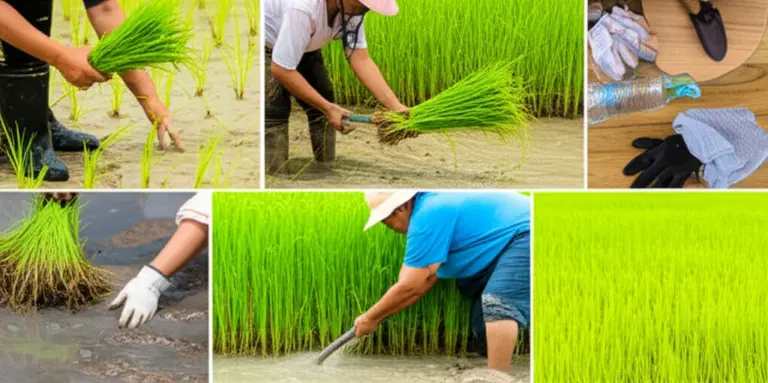
This is often the highlight of the hands-on rice farming day. You will wade into the muddy paddy field, take bunches of young, green seedlings, and meticulously plant them in straight rows. This task requires balance, teamwork, and patience, demonstrating the sheer labor involved in growing rice.
12:00 PM: Midday Break and Traditional Lao Lunch
After the strenuous morning work, you will be treated to a delicious, authentic Lao meal, often featuring sticky rice, local curries, fresh vegetables, and perhaps a refreshing coconut drink. This social time allows you to relax and interact with the farming community and fellow tourists.
Activity 3: Post-Lunch Tasks (Weeding or Harvesting)
Depending on the season, the afternoon activities focus on maintenance or harvest. During the growing season, you might learn about natural pest control and manual weeding. If it is harvest time (typically around October/November), you will use traditional sickles to cut the mature rice stalks, binding them into sheaves.
Activity 4: Threshing and Milling
The final stage is processing the grain. You will learn the traditional method of threshing, which separates the grain from the stalk, often involving beating the rice stalks against a hard surface. Following this, demonstrations of husking (removing the outer layer) and milling (turning brown rice into white rice) are provided, usually using small, traditional hand-powered machines.
Essential Gear: What to Wear and What to Bring
Preparation is key to enjoying your time in the paddy fields. The Lao sun can be intense, and the fields are inherently muddy. Most tours provide basic farming hats, but bringing your own gear ensures maximum comfort.
Clothing Recommendations
| Category | Recommendation | Reason |
|---|---|---|
| Footwear | Flip-flops or sandals (easy to take off) | You will be barefoot in the mud for most of the activities. |
| Bottoms | Lightweight, quick-drying shorts or capris | Long pants will become heavy and messy when wet. |
| Tops | Light, long-sleeved shirt (optional) | Protection from the sun and insects. |
| Headwear | Wide-brimmed hat or traditional conical hat | Essential sun protection. |
Must-Bring Items
- High SPF Sunscreen: The sun reflection off the water can be intense.
- Insect Repellent: Essential, especially during the early morning or late afternoon.
- Change of Clothes and Towel: You will get muddy head-to-toe. Most tours offer shower facilities.
- Waterproof Camera/Phone Bag: To capture the unique experience without ruining your electronics.
- Water Bottle: Stay hydrated throughout the physical activities.
The experience of a hands-on rice farming day is not just about cultivation; it is a profound cultural exchange. It gives tourists a deep respect for the labor required to produce the staple of the Lao diet and supports sustainable community-based tourism efforts. By the end of the day, you will not only have planted rice but also planted a lasting memory of Laos’s gentle, industrious spirit.
คำถามที่พบบ่อย (FAQ)
Is the farming experience physically demanding?
While the activities are designed to be enjoyable for tourists, they do involve physical labor, including bending, walking through thick mud, and being exposed to the sun. Participants should have a moderate level of fitness. Breaks are frequent, and guides ensure the pace is manageable for everyone.
What time of year is best for rice farming tours?
The best time depends on the activity you wish to witness. Planting usually occurs during the wet season (May to September), while harvesting takes place toward the end of the wet season and into the dry season (September to November). Tours operate year-round, often demonstrating all stages regardless of the current field cycle.
Can children participate in the hands-on rice farming day?
Yes, most tours are family-friendly. Children often enjoy the muddy environment and the interaction with the water buffalo. However, constant supervision is necessary, and very young children might find the sustained manual labor too tiring.
Are vegetarian options available for the traditional lunch?
Absolutely. Lao cuisine is highly adaptable, and tour operators are well-versed in accommodating dietary restrictions. It is essential to notify your guide or tour company about any vegetarian, vegan, or allergy requirements when booking.
References
Laos Tourism Official Information
Food and Agriculture Organization (FAO) on Lao Agriculture
- The Living Land Company: A Hands-On Rice Farming Experience in Luang Prabang — Complete Visitor’s Guide and What to Expect
- What is The Living Land Company and why Luang Prabang is the perfect place for an authentic rice farming experience
- Local culture, sustainable farming practices, and how the experience supports community-based tourism