Local culture, sustainable farming practices, and how the experience supports community-based tourism
- Local culture, sustainable farming practices, and how the experience supports community-based tourism
Laos, often referred to as the ‘Land of a Million Elephants,’ is renowned not just for its stunning natural landscapes and ancient temples, but also for its commitment to preserving deep-rooted local cultures and fostering sustainable development. In recent years, the intersection of these values has birthed a powerful movement: community-based tourism Laos. This model ensures that tourism revenue flows directly into the hands of the local people, supporting both their traditional way of life and environmentally responsible practices, particularly in agriculture. This article explores the vital synergy between local culture, sustainable farming, and the growth of authentic, ethical tourism experiences in Laos.
The Foundation: Understanding Community-Based Tourism (CBT) in Laos
CBT in Laos is not merely about providing accommodation; it is an immersive experience where visitors become temporary residents, participating actively in the daily life of a village. This model requires a high degree of local ownership and control, ensuring that cultural norms are respected and the environment is protected. Unlike mass tourism, which often leads to cultural erosion and environmental strain, CBT acts as a mechanism for preservation.
Why Laos is a Prime Example of CBT Success
Laos’s diverse ethnic groups, each with unique languages, customs, and textile traditions, provide a rich tapestry for authentic tourism. Furthermore, a significant portion of the population relies on agriculture, making sustainable farming a natural component of the tourist experience. Areas like Luang Prabang Province, particularly villages around the Mekong River, have successfully implemented CBT programs that offer homestays, traditional cooking classes, and hands-on farming experiences.
- Authentic Homestays: Staying with a family rather than in a hotel.
- Cultural Workshops: Learning weaving, bamboo construction, or traditional medicine.
- Environmental Stewardship: Participating in conservation efforts or sustainable agriculture.
- Direct Economic Benefit: Ensuring tour fees and purchases directly support the community fund.
Weaving Local Culture into the Visitor Experience
The true value proposition of community-based tourism Laos lies in its cultural immersion. Tourists are not merely observing culture; they are living it. This includes sharing meals prepared with locally sourced ingredients, participating in Baci ceremonies (a traditional Lao welcome ritual), and understanding the nuances of village hierarchy and spiritual beliefs. This intimate level of interaction acts as a powerful incentive for villagers to maintain their heritage, as they recognize its economic value.
Preserving Tradition Through Interaction
For many ethnic minorities, such as the Hmong or Khmu, traditional crafts and knowledge are at risk of fading due to modernization. CBT provides a viable market for these skills. For example, local women who practice intricate textile weaving can sell their products directly to tourists at fair prices, reinforcing the economic viability of their traditional art form. This shift transforms cultural heritage from a relic of the past into a sustainable livelihood for the future.
Sustainable Farming: The Backbone of Ethical Lao Tourism
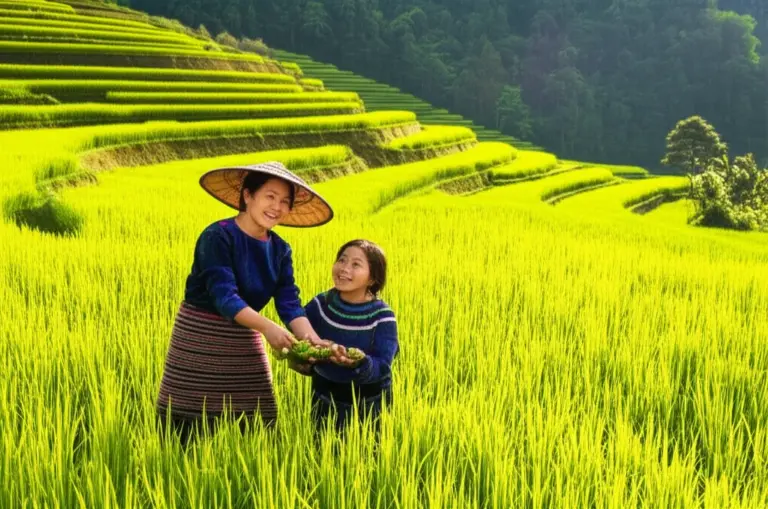
Sustainable farming practices are inextricably linked to the success of CBT. In Laos, this often means moving away from slash-and-burn agriculture towards crop diversification, organic methods, and agroforestry. Tourists frequently participate in these activities—from planting rice seedlings in paddies to harvesting organic vegetables—gaining an appreciation for the labor and environmental dedication required.
From Farm-to-Table to Farm-to-Stay
The ‘Farm-to-Stay’ model is central to the Lao sustainable tourism experience. When visitors eat meals prepared with ingredients grown just meters away, they are supporting the local agricultural economy and reducing the carbon footprint associated with food transportation. This transparency in the food chain builds trust and highlights the quality of Lao organic produce, such as coffee, tea, and sticky rice.
To further illustrate the integration of these elements, consider the following visual resource detailing sustainable rural development, which is often the precursor to successful CBT implementation:
Economic and Social Impact on Local Communities
The economic model of CBT is designed to counteract the ‘leakage’ often seen in large-scale tourism, where money quickly leaves the local area. In a successful community-based tourism Laos initiative, profits are collectively managed and reinvested in community projects. This might include funding for village schools, improving clean water access, or maintaining shared infrastructure.
Empowering Rural Villages
CBT creates diverse employment opportunities beyond guiding, such as managing homestays, preparing meals, and producing handicrafts. Crucially, it empowers women and youth, providing them with leadership roles and income streams that reduce the necessity of migrating to urban centers for work. This strengthens the social fabric of the village and ensures that traditional knowledge remains within the community.
| Aspect | CBT Benefit | Impact on Laos |
|---|---|---|
| Cultural Preservation | Incentivizes the continuation of traditional skills (e.g., weaving). | Prevents cultural homogenization and loss of identity. |
| Environmental Health | Promotes organic and sustainable farming methods. | Reduces deforestation and chemical runoff into waterways. |
| Economic Equity | Direct revenue sharing and collective fund investment. | Improves rural infrastructure and quality of life. |
Practical Ways Tourists Can Engage
If you plan to visit Laos, choosing CBT is the most ethical way to travel. Look for tours certified by reputable Lao tourism bodies that explicitly state that a percentage of fees goes back to the host village. Engage respectfully, learn basic Lao phrases, and always ask permission before taking photographs of people or religious sites. Your conscious choices directly fuel the cycle of sustainability and cultural respect.
By choosing to support local culture and sustainable practices through experiences, travelers ensure that the unique character and ecological integrity of Laos are maintained for generations to come.
คำถามที่พบบ่อย (FAQ)
References
- Lao National Tourism Administration guidelines on sustainable development.
- Studies on the economic impact of community-based tourism models in Southeast Asia.
- The Living Land Company: A Hands-On Rice Farming Experience in Luang Prabang — Complete Visitor’s Guide and What to Expect
- What is The Living Land Company and why Luang Prabang is the perfect place for an authentic rice farming experience
- Step-by-step itinerary: a typical hands-on rice farming day, activities included, what to wear and what to bring