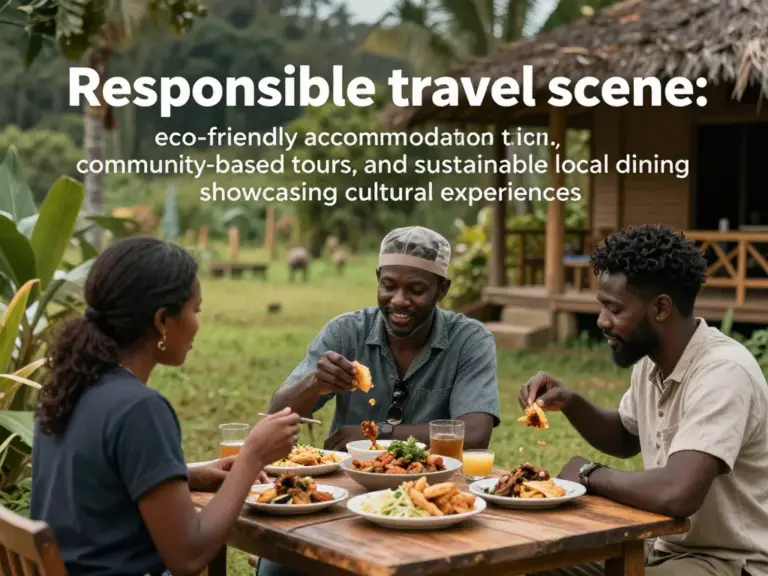
Where to Stay, Eat, and Experience Local Culture: Responsible Accommodation, Community-Based Tours, and Sustainable Dining
- Where to Stay, Eat, and Experience Local Culture: Responsible Accommodation, Community-Based Tours, and Sustainable Dining
Laos, the land of a million elephants, offers a serene escape into a world where time seems to slow down. For those engaged in laos Tourism, the shift towards sustainability is not just a trend but a necessity to preserve the pristine landscapes and rich cultural heritage of this landlocked gem. This guide explores how you can travel responsibly by choosing ethical stays, participating in community-led experiences, and dining at establishments that give back to the local population.
Choosing Responsible Accommodation in Laos
When looking for a place to stay, prioritize lodges and hotels that emphasize environmental stewardship and social responsibility. In Luang Prabang and Vang Vieng, many boutique hotels use traditional Lao architecture and sustainable materials. Look for certifications like ‘The Lasting Laos’ mark, which identifies businesses committed to sustainable practices. These accommodations often employ local staff, provide fair wages, and minimize plastic waste through refillable water stations.
- Eco-lodges in the Nam Et-Phou Louey National Park.
- Heritage hotels in Luang Prabang that support local restoration.
- Homestays in the Bolaven Plateau for an authentic rural experience.
Community-Based Tours: Connecting with Local Culture
To truly experience the heart of laos Tourism, skip the mass-produced excursions and opt for Community-Based Tourism (CBT). These tours are managed by local villagers, ensuring that the economic benefits stay within the community. Whether it is learning traditional weaving in a Tai Dam village or trekking through the jungle with a former hunter turned conservation guide, these interactions foster mutual respect and cultural exchange.
One of the most impactful ways to engage is through the Nam Nern Night Safari. This project has won international awards for its model, where the success of the tour directly funds a community development fund, incentivizing villagers to protect endangered wildlife like tigers and leopards instead of poaching.
Sustainable Dining: Savoring the Flavors of Laos
Sustainable dining in Laos focuses on ‘Farm-to-Table’ concepts. Many restaurants in Vientiane and Luang Prabang partner with local organic farms to source fresh ingredients, reducing the carbon footprint of food transport. Social enterprise restaurants are also a staple of the responsible traveler’s itinerary. These establishments often double as vocational training centers for marginalized youth, providing them with essential skills in the hospitality industry.
| Restaurant Type | Focus | Example Benefit |
|---|---|---|
| Social Enterprise | Youth Training | Skills development for rural youth |
| Organic Cafe | Local Sourcing | Supports local organic farmers |
| Traditional Kitchen | Cultural Preservation | Keeps ancient recipes alive |
By choosing to eat at places like Khao Niew or various NGO-supported cafes, you are ensuring that your meal helps provide a future for the next generation of Lao chefs. Always look for menus that highlight seasonal produce and traditional Lao cooking methods.
Conclusion: The Future of Laos Tourism
Responsible travel in Laos is about making conscious choices that favor the environment and the people. From the quiet mornings of the alms-giving ceremony to the vibrant night markets, every action counts. By staying in responsible accommodations, engaging in community tours, and dining sustainably, you contribute to a resilient and thriving future for laos Tourism.
คำถามที่พบบ่อย (FAQ)
What is the best way to support local communities in Laos?
The best way is to book tours through local community-based tourism (CBT) initiatives and stay in locally-owned guesthouses or eco-lodges that employ residents.
Are there specific certifications for sustainable hotels in Laos?
Yes, look for the ‘The Lasting Laos’ certification or properties recognized by the ASEAN Green Hotel Standard.
Is it safe to participate in homestays in rural Laos?
Yes, homestays organized through reputable local agencies or community programs are safe and provide a unique window into the daily life of Lao people.
How can I reduce my plastic waste while traveling in Laos?
Carry a reusable water bottle. Many hotels and cafes in tourist hubs like Luang Prabang participate in the ‘Refill Not Landfill’ program, providing free or low-cost water refills.
These are restaurants that use their profits and operations to achieve a social mission, such as providing vocational training and employment to underprivileged youth or people with disabilities.
References
- Official Laos Tourism Portal
- Sustainable Tourism Laos Initiatives
- Mekong Tourism Coordinating Office
- Vang Vieng Reimagined: From Party Town to Adventure Hub — A Traveler’s Guide to Responsible Adventure, Culture, and Safety
- Why Vang Vieng Changed: History, Policy Shifts, and How the Town Reinvented Its Tourism Model
- Top Adventures in Vang Vieng: Tubing Alternatives, Rock Climbing, Caving, and Eco-Friendly River Activities