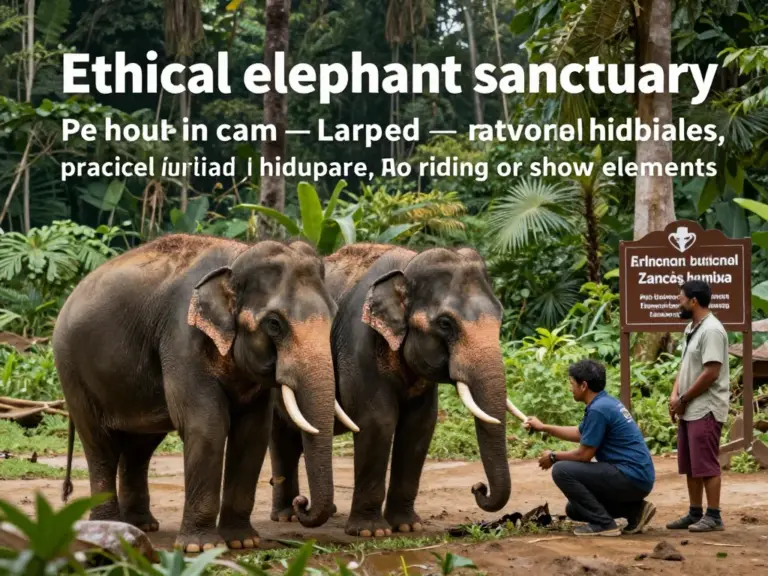
Why visit ethical elephant sanctuaries in Laos — understanding sanctuary principles, animal welfare standards, and how to identify responsible operations
- Why visit ethical elephant sanctuaries in Laos — understanding sanctuary principles, animal welfare standards, and how to identify responsible operations
For centuries, Laos was known as ‘Lan Xang,’ or the Land of a Million Elephants. Today, the relationship between humans and these majestic creatures is evolving. If you are wondering Why visit ethical elephant sanctuaries in Laos, the answer lies in the profound shift from exploitation to conservation. Choosing an ethical sanctuary ensures that your tourism dollars support animal welfare and the preservation of a species that is deeply woven into the cultural fabric of Southeast Asia.
Understanding the Principles of Ethical Sanctuaries
The core philosophy of an ethical sanctuary is to prioritize the needs of the elephant over the entertainment of the tourist. In the past, elephants in Laos were primarily used in the logging industry or for heavy labor. As logging was banned, many owners turned to tourism. However, traditional tourism often involved activities that were harmful to the animals, such as riding with heavy chairs (howdahs) or performing tricks.
Ethical operations follow a ‘hands-off’ or ‘low-impact’ approach. This means no riding, no bullhooks, and no forced interactions. Instead, visitors are invited to observe elephants behaving naturally—foraging in the forest, bathing in rivers, and socializing with one another. This transition is vital for the psychological and physical health of the elephants.
High Animal Welfare Standards in Laos
When evaluating why visit ethical elephant sanctuaries in Laos, one must look at the strict animal welfare standards implemented by leading organizations. Responsible sanctuaries adhere to the ‘Five Freedoms’ of animal welfare:
- Freedom from Hunger and Thirst: Access to fresh water and a diet that mimics their natural foraging habits.
- Freedom from Discomfort: Providing an appropriate environment including shelter and a comfortable resting area.
- Freedom from Pain, Injury, or Disease: Regular veterinary check-ups and specialized care for aging or injured elephants.
- Freedom to Express Normal Behavior: Sufficient space and the company of the animal’s own kind.
- Freedom from Fear and Distress: Ensuring conditions and treatment which avoid mental suffering.
In Laos, the Elephant Conservation Center (ECC) in Sayaboury is a prime example of these standards in action. They focus on breeding, veterinary care, and even a ‘rewilding’ program to release elephants back into protected forests.
How to Identify Responsible Operations
With the rise of ‘greenwashing,’ many places claim to be sanctuaries while still practicing unethical methods. To ensure your visit is truly responsible, look for the following indicators:
| Feature | Ethical Standard | Red Flag |
|---|---|---|
| Riding | No riding allowed | Offers riding or chairs |
| Interaction | Observational or feeding only | Shows, tricks, or bathing with crowds |
| Tools | No bullhooks or chains | Visible hooks or short-leash chaining |
| Environment | Large, natural forest areas | Concrete floors or small enclosures |
Truly responsible operations are often transparent about where their elephants come from and how the mahouts (handlers) are treated. Ethical sanctuaries provide fair wages and education for mahouts, ensuring they don’t have to rely on exploitative practices to survive.
The Best Locations for Ethical Encounters in Laos
If you are planning your trip, two main regions stand out for high-quality conservation efforts:
1. Sayaboury (Sainyabuli)
Home to the Elephant Conservation Center, this province is the heart of elephant protection in Laos. It is less touristy and offers a deep dive into the science of conservation and hospital care for injured animals.
2. Luang Prabang
Near this UNESCO World Heritage city, you can find projects like MandaLao Elephant Conservation. They focus on non-interactive experiences, allowing you to walk alongside elephants through the jungle without disturbing their natural rhythm.
Conclusion: The Impact of Your Choice
The reason why visit ethical elephant sanctuaries in Laos extends beyond a simple vacation activity. It is a vote for the future. By choosing responsible operations, you help create a demand for high welfare standards, making it more profitable for owners to protect their elephants than to exploit them. Your visit contributes to the preservation of the Asian elephant, ensuring that the ‘Land of a Million Elephants’ remains a reality for generations to come.
คำถามที่พบบ่อย (FAQ)
Why is riding elephants considered unethical?
Riding elephants, especially with heavy chairs, causes long-term spinal damage. Furthermore, the process of ‘breaking’ an elephant to accept riders often involves cruel training methods that cause psychological trauma.
Can I bathe with elephants at ethical sanctuaries?
Most top-tier ethical sanctuaries are moving away from guest bathing. While it seems harmless, having dozens of tourists in the water can stress the animals and disrupt their natural social behavior. Observational bathing is now the preferred standard.
How much does it cost to visit a sanctuary in Laos?
Prices vary depending on the length of stay, ranging from $50 for a half-day to $300+ for multi-day conservation programs. These fees cover the immense cost of food, veterinary care, and fair wages for the staff.
Are there wild elephants still in Laos?
Yes, but their numbers are critically low (estimated under 400). Ethical sanctuaries often work closely with the government to protect wild habitats and prevent human-elephant conflict.
References
- Elephant Conservation Center (ECC) Laos
- MandaLao Elephant Conservation
- World Animal Protection – Elephant Welfare
- Ethical Elephant Sanctuaries in Laos: Where to See and Support Rescued Elephants
- Top ethical elephant sanctuaries in Laos — detailed profiles, location, what to expect, admission policies, and conservation impact
- How to plan your visit — best seasons, responsible visitation practices, volunteer options, and budgeting for ethical experiences