Ethical Elephant Sanctuaries in Laos: Where to See and Support Rescued Elephants
Laos was historically known as ‘Lan Xang,’ or the Land of a Million Elephants. While the population of these majestic creatures has dwindled significantly due to habitat loss and the logging industry, a new era of conservation is rising. Today, travelers have the opportunity to visit Ethical Elephant Sanctuaries in Laos, where the focus has shifted from exploitation to education, rehabilitation, and respect. Choosing an ethical venue ensures that your tourism dollars contribute directly to the welfare of rescued giants rather than their suffering.
Why Choose Ethical Elephant Sanctuaries in Laos?
For decades, elephants in Laos were primarily used for heavy labor in the logging industry or for tourist rides. Both practices are physically and psychologically damaging. Ethical sanctuaries provide a retirement home for these working elephants. By supporting Ethical Elephant Sanctuaries in Laos, you are helping to fund expensive veterinary care, vast areas of protected forest, and the transition of mahouts (handlers) toward a more humane way of life. These sanctuaries prioritize the elephant’s needs over the tourist’s desire for a ‘selfie’ or a ride.
Top-Rated Sanctuaries to Visit
If you are planning a trip to the Land of a Million Elephants, here are the most reputable locations committed to genuine conservation:
- Elephant Conservation Center (Sayaboury): A world-class facility focusing on breeding, veterinary care, and re-wilding.
- MandaLao Elephant Conservation (Luang Prabang): A non-riding sanctuary offering intimate walks through the jungle alongside elephants.
- Mandalao: Known for its deep commitment to ethical interactions and education.
What to Expect During Your Visit
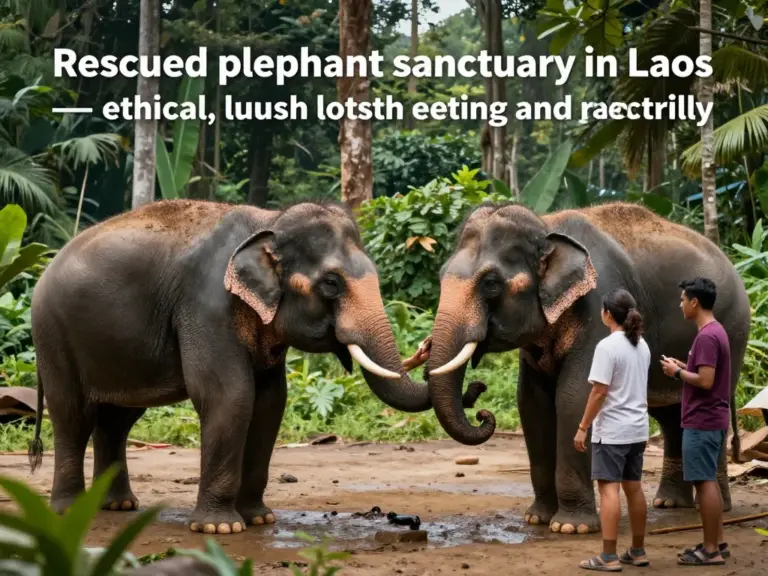
A visit to an ethical sanctuary is a peaceful, educational experience. Instead of riding, you will likely spend your time observing elephants as they forage, bathe in the rivers, and socialize with one another. Many centers offer ‘walking with giants’ programs where you follow the elephants through their natural habitat at a respectful distance. You will learn about their individual histories, the biology of Asian elephants, and the complex challenges of conservation in modern Laos.
| Activity | Ethical Approach | Benefit to Elephant |
|---|---|---|
| Feeding | Provided natural snacks | Nutritional health |
| Bathing | Observation from riverbank | Reduced stress |
| Trekking | Walking beside elephants | Physical exercise without weight |
How to Identify a Truly Ethical Sanctuary
Not every place that calls itself a ‘sanctuary’ or ‘orphanage’ is ethical. To ensure you are supporting a legitimate Ethical Elephant Sanctuary in Laos, look for these signs:
1. No Riding: There should be no saddles or seating structures.
2. No Performance: Elephants should not be performing tricks or painting.
3. Limited Interaction: The sanctuary should prioritize the elephant’s comfort over human contact.
4. Transparent Funding: Information on how your fees support conservation should be available.
คำถามที่พบบ่อย (FAQ)
Can I ride elephants at ethical sanctuaries?
No. Ethical sanctuaries in Laos strictly prohibit riding as it causes physical harm and requires ‘breaking’ the elephant’s spirit.
Where is the best place to see elephants in Laos?
The Elephant Conservation Center in Sayaboury and MandaLao in Luang Prabang are widely considered the most ethical and reputable facilities.
How much does it cost to visit?
Prices vary from $50 for half-day tours to several hundred dollars for multi-day conservation stays. These fees cover the high costs of elephant care and forest protection.
Is it safe to be near rescued elephants?
Yes, visits are led by experienced mahouts and guides who understand elephant behavior, ensuring a safe distance is maintained for both humans and animals.
References
Elephant Conservation Center Official Site
MandaLao Elephant Conservation
World Animal Protection – Elephant Welfare
- Why visit ethical elephant sanctuaries in Laos — understanding sanctuary principles, animal welfare standards, and how to identify responsible operations
- Top ethical elephant sanctuaries in Laos — detailed profiles, location, what to expect, admission policies, and conservation impact
- How to plan your visit — best seasons, responsible visitation practices, volunteer options, and budgeting for ethical experiences