Why Visit Laos Off the Beaten Path — What Makes These Hidden Gems Worth Your Time and How to Prepare
Laos, often overshadowed by its more bustling Southeast Asian neighbors, holds a quiet charm that beckons to the intrepid traveler. While popular destinations like Luang Prabang and Vang Vieng offer undeniable beauty, the true magic of this landlocked nation unfolds when you venture beyond the well-trodden tourist trails. Exploring Laos Off the Beaten Path isn’t just a trip; it’s an immersive journey into authentic culture, untouched landscapes, and genuine human connection. These hidden gems are not merely sights to behold, but experiences that enrich the soul, offering a profound appreciation for a way of life that remains largely unchanged. This guide will illuminate what makes these less-explored corners so rewarding and equip you with the knowledge to prepare for an unforgettable adventure. [2]
Unveiling Laos’s Hidden Charms: Why Go Off the Beaten Path?
The allure of Laos Off the Beaten Path lies in its ability to transport you to a different pace of life, far removed from the commercialism that can sometimes dilute travel experiences. It’s about discovery, connection, and a deeper understanding of this remarkable country. [7]
Authentic Cultural Immersion
In remote villages, you’ll encounter ethnic minority groups whose traditions, languages, and crafts have been preserved for centuries. Engaging with locals, sharing meals, and witnessing their daily lives offers a rare glimpse into the heart of Lao culture, fostering connections that are often impossible in more developed areas. [10]
Pristine Natural Beauty
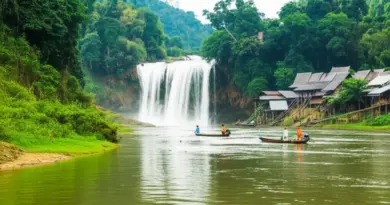
Laos is a land of dramatic limestone karsts, lush jungles, cascading waterfalls, and the mighty Mekong River. Away from the main tourist hubs, these natural wonders remain largely undisturbed, offering breathtaking vistas, serene trekking opportunities, and a chance to reconnect with nature in its purest form. Imagine discovering a waterfall where you are the only visitor, or kayaking down a river with no other boats in sight. [8]
Escape the Crowds
For those seeking tranquility and solitude, venturing off the beaten path is the answer. The peacefulness of these remote areas provides a stark contrast to the bustling cities, allowing for reflection and a more personal travel experience. You’ll find yourself sharing moments with a handful of fellow adventurers, rather than jostling with large tour groups. [4]
Supporting Local Communities
By choosing to explore remote regions, you directly contribute to the local economies that often see less tourist revenue. Your presence supports small guesthouses, local guides, restaurants, and artisans, promoting sustainable tourism and helping to preserve their unique heritage. [11]
Must-Visit Hidden Gems in Laos
Laos is dotted with incredible places that many travelers simply miss. Here are a few that truly make Laos Off the Beaten Path an unforgettable experience.
Phonsavan and the Plain of Jars
In the province of Xieng Khouang lies the mysterious Plain of Jars, a UNESCO World Heritage site. Thousands of ancient stone jars, some weighing several tons, are scattered across vast fields. Their origin and purpose remain largely unknown, shrouded in local legends. Visiting this archaeological wonder offers a fascinating glimpse into a prehistoric civilization and a somber reminder of the country’s wartime past. [2, 8]
Muang Ngoi Neua: Riverside Serenity
Accessible primarily by boat along the Nam Ou River, Muang Ngoi Neua is a tranquil village surrounded by towering limestone karsts and lush rice paddies. With limited electricity and no cars, it’s a place to truly disconnect. Enjoy trekking to nearby caves and ethnic villages, swimming in the river, or simply soaking in the peaceful atmosphere. [2]
Nong Khiaw: Gateway to Adventure
Further upstream from Luang Prabang, Nong Khiaw offers a more accessible ‘off-the-beaten-path’ experience while still providing stunning scenery and adventure opportunities. It’s a popular base for rock climbing, kayaking, and multi-day treks to remote villages, providing a perfect blend of natural beauty and local interaction. [2, 11]
Bolaven Plateau: Coffee and Waterfalls
Located in Southern Laos, the Bolaven Plateau is known for its cooler climate, fertile volcanic soil, and spectacular waterfalls. It’s the heart of Laos’s coffee production, and a motorbike loop around the plateau allows you to visit coffee plantations, ethnic villages, and stunning cascades like Tad Fane and Tad Yuang. [8, 14]
Tham Kong Lo Cave: An Underground River Journey
For a truly unique adventure, embark on a journey through the 7.5-kilometer-long Tham Kong Lo cave. A small motorized boat navigates the emerald-green underground river, revealing massive stalactites, stalagmites, and a cavern of immense proportions. It’s an otherworldly experience that feels like stepping into another realm. [2, 7]
Preparing for Your Off-the-Beaten-Path Adventure in Laos
Venturing into remote areas requires thoughtful preparation. While the rewards are immense, being well-equipped and informed will ensure a smoother and more enjoyable journey.
Visa and Entry Requirements
Most nationalities can obtain a visa on arrival at international airports and major border crossings. However, it’s always best to check the latest requirements with the Lao embassy in your country or through official government websites before your trip. Ensure your passport has at least six months of validity remaining. [7]
Health and Safety Considerations
Consult your doctor about necessary vaccinations (e.g., Hepatitis A, Typhoid, Tetanus) and malaria prophylaxis. Pack a comprehensive first-aid kit, including medication for common ailments, insect repellent, and any personal prescriptions. Be aware that medical facilities in remote areas are basic, so travel insurance with emergency evacuation coverage is highly recommended. [7]
Packing Essentials for Remote Travel
Light, quick-drying clothing is ideal. Include long-sleeved shirts and pants for sun and insect protection, a hat, sturdy walking shoes or sandals, and a light rain jacket. A headlamp, portable power bank, water purification tablets/filter, and basic toiletries are also crucial. Remember to pack respectfully, especially when visiting temples or villages. [7]
Public transport in remote areas often consists of local buses, minivans, and tuk-tuks, which can be less comfortable and slower than in urban centers. Riverboats are also a common and scenic way to travel between riverside communities. Embrace the journey as part of the adventure, and be prepared for potential delays. Consider hiring a local guide for more complex routes. [12, 13]
Embracing Local Customs and Etiquette
Respect local customs: dress modestly, especially when visiting temples; remove your shoes before entering homes or temples; and always ask permission before taking photos of people. A basic understanding of Lao phrases like “Sabaidee” (hello) and “Khop Jai” (thank you) will go a long way in building rapport. [2]
Venturing into Laos Off the Beaten Path is an invitation to discover a side of Southeast Asia that is rapidly disappearing. It’s an opportunity to create memories that transcend typical tourism, offering genuine encounters, breathtaking natural beauty, and a profound sense of peace. By preparing thoughtfully and traveling respectfully, you will unlock the true essence of this enchanting country, where every hidden gem is truly worth your time.
คำถามที่พบบ่อย (FAQ)
References
- UNSEEN LAOS | Hidden Places Even Locals Can’t Believe Exist | 4K Travel Documentary
- Discover the Hidden Gems of Northern Laos | DIY Destinations – YouTube
- Off The Beaten Path in North Laos | No Tourism Here? – YouTube
- 10 HIDDEN GEMS IN LAOS | Most Tourists Never See! (Full Guide 2025) 4K HDR – YouTube
- LAOS TRAVEL (2024) | 10 Beautiful Places To Visit In Laos – YouTube
- Wonders of Laos: The Most Breathtaking Places You Must See! – YouTube
- Exploring Laos’ Most Remote Villages – YouTube
- Trekking To A Remote Village In Northern Laos – YouTube
- WILD LAOS – Remote Riverside Villages of Far Northern Laos – YouTube
- Discovering Laos | Most Remote Corners Of The Country – YouTube
- Travel off The Beaten Path in Laos – DiscoverLaos.Today
- Off-the-Beaten-Path Laos: Uncover Hidden Gems, Secret Spots, and Authentic Local Experiences
- Best Lesser-Known Places to Explore in Laos — Northern Villages, Remote Waterfalls, Undiscovered Caves, and Quiet River Towns
- How to Get There and Get Around Safely — Transportation Options, Local Guides, Permits, and Responsible Travel Tips