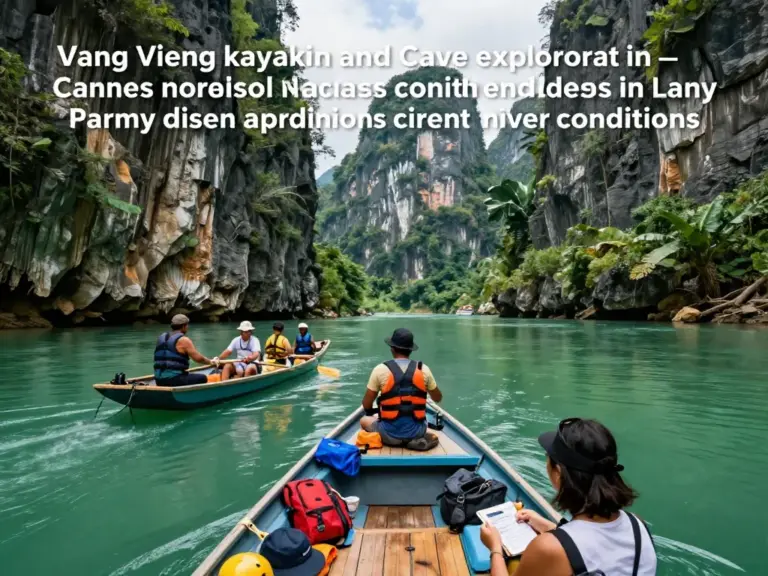
Best Times to Go and How to Get There: Seasonal Conditions, Transportation Options, and Permits for Vang Vieng Kayaking and Caving
- Best Times to Go and How to Get There: Seasonal Conditions, Transportation Options, and Permits for Vang Vieng Kayaking and Caving
Vang Vieng, a picturesque town nestled along the Nam Song River in Laos, has transformed from a backpacker party hub into a world-class destination for eco-adventure. For those seeking the thrill of Vang Vieng kayaking and caving, understanding the logistical nuances is key to a successful journey. This guide provides a comprehensive overview of the seasonal shifts, transportation networks, and administrative requirements necessary to explore the limestone karsts and emerald waters of this Southeast Asian gem.
Seasonal Conditions: When to Visit for Vang Vieng Kayaking and Caving
The climate in Vang Vieng significantly dictates the quality of outdoor activities. Generally, the year is split into two main seasons: the dry season and the wet season. Each offers a distinct experience for those interested in Vang Vieng kayaking and caving.
The Dry Season (November to April)
This is widely considered the peak period for tourism. From November to February, the weather is cool and pleasant, making it ideal for trekking to remote caves. The Nam Song River is calm and crystal clear, which is perfect for beginners attempting kayaking. However, as the season progresses into March and April, temperatures can soar, and the water levels drop significantly, occasionally requiring kayakers to navigate shallow rocky sections.
The Wet Season (May to October)
For adrenaline seekers, the monsoon season brings high water levels and faster currents. While this makes kayaking more exciting, it also requires higher skill levels. Conversely, many of the “water caves” (like Tham Nam) may become inaccessible or dangerous due to flooding. If your primary goal is cave exploration, the early or late dry season is much safer.
Transportation Options: How to Get to Vang Vieng
Getting to Vang Vieng has become significantly easier in recent years thanks to major infrastructure projects. Whether you are coming from Vientiane or Luang Prabang, you have several reliable options.
| Transport Mode | Estimated Time | Pros |
|---|---|---|
| Lao-China Railway (LCR) | 1 Hour (from Vientiane) | Fast, comfortable, and modern. |
| Expressway Mini-Bus | 1.5 – 2 Hours | Door-to-door service available. |
| Private Car | Flexible | Best for groups and scenic stops. |
The High-Speed Train
The LCR is a game-changer. The station is located about 15 minutes outside of the main town. Upon arrival, you can easily find tuk-tuks waiting to transport you to your accommodation. It is highly recommended to book train tickets at least 2-3 days in advance via the LCR app or a local travel agent.
Local Transport for Activities
Once in town, the best way to reach kayaking launch points or cave entrances is by renting a mountain bike, a motorbike, or hiring a specialized “Songthaew” (pickup truck taxi). Most organized tours for Vang Vieng kayaking and caving include round-trip transport from your hotel.
Permits and Regulations for Adventure Activities
Navigating the administrative side of adventure travel in Laos is relatively straightforward, but there are specific fees and rules to keep in mind. Most caves in Vang Vieng are managed by local village communities.
- Entrance Fees: Expect to pay between 10,000 to 30,000 LAK per person for cave entry (e.g., Tham Phu Kham or Tham Chang). These fees usually include basic maintenance of the paths and bridges.
- Bridge Tolls: Some areas across the Nam Song River require a small toll to cross private or community-maintained bridges.
- Guide Requirements: While you can explore some caves independently, the more complex systems and all kayaking trips are legally and practically better handled with a licensed local guide. They ensure you stay on designated paths and have the necessary safety equipment.
Essential Gear for Your Trip
To make the most of your Vang Vieng kayaking and caving experience, come prepared with the following items:
- Dry Bag: Essential for keeping your camera and phone safe while kayaking.
- Sturdy Water Shoes: Flip-flops are easily lost in the mud or river; strapped sandals or wet shoes are better.
- Headlamp: While some caves rent out flashlights, having your own reliable LED headlamp is a significant advantage.
- Eco-friendly Sunscreen: Protect yourself while protecting the delicate river ecosystem.
คำถามที่พบบ่อย (FAQ)
Q1: Is Vang Vieng kayaking and caving suitable for children?
A1: Yes, many tours offer family-friendly routes. However, it is best to visit during the dry season (Nov-Feb) when the river is calm and to ensure the tour operator provides child-sized life jackets.
Q2: Do I need to book my tour in advance?
A2: While you can book upon arrival in town, booking 24 hours in advance is recommended during the peak season to ensure availability with the most reputable guides.
Q3: Are there leeches in the caves?
A3: Leeches are rare in the commonly visited tourist caves, but you may encounter them if trekking through dense jungle to remote sites during the rainy season.
Q4: What is the average cost of a full-day kayaking and caving tour?
A4: A full-day group tour typically costs between $25 and $45 USD, which usually includes lunch, equipment, transport, and entrance fees.
References
Lao National Tourism Administration Official Website
Lao-China Railway Official Booking Information
- Kayaking and Caving in Vang Vieng: The Ultimate Adventurer’s Guide to Rivers, Caves, and Safety
- Choosing the Right Tours and Guides: Comparing Kayak Rentals, Guided Cave Trips, Skill Levels, and Trusted Local Operators
- What to Pack and Safety Tips: Essential Gear, Navigation, River/Cave Hazards, First Aid, and Responsible Adventure Practices