Carbon-Light Transport in Laos: How to Choose Between Buses, Trains, and Boats for Low-Carbon Travel
- Carbon-Light Transport in Laos: How to Choose Between Buses, Trains, and Boats for Low-Carbon Travel
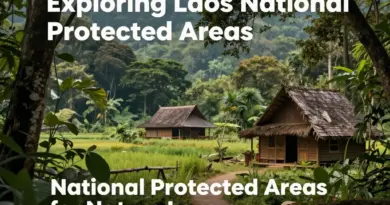
As the world shifts toward sustainable living, the way we explore new horizons is changing. For travelers visiting the land-locked beauty of Southeast Asia, choosing carbon-light transport in Laos is not just a trend—it is a meaningful way to preserve the pristine landscapes, from the misty mountains of the north to the 4,000 islands in the south. Laos offers a unique tapestry of transit options that allow you to reduce your environmental footprint while immersing yourself in the local culture.
The Rise of Eco-Friendly Transit in Laos Tourism
Laos has traditionally been a destination for slow travel. However, with the recent infrastructure developments, travelers now face a choice: speed or tradition? To maintain a low-carbon profile, one must evaluate the efficiency and energy source of each mode of transport. Whether you are navigating the Mekong or crossing the rugged terrain of Vang Vieng, your choice of wheels (or waves) matters.
1. The Laos-China Railway: The High-Speed Green Revolution
The introduction of the LCR (Laos-China Railway) has revolutionized carbon-light transport in Laos. Electric trains are inherently more efficient than internal combustion engines. This high-speed rail connects Vientiane to Luang Namtha, stopping at major hubs like Luang Prabang and Vang Vieng. By choosing the train over a domestic flight or multiple private vans, you significantly lower your CO2 output per kilometer.
Pros and Cons for the Eco-Conscious Traveler
- Pros: Zero tailpipe emissions, extremely fast, and comfortable.
- Cons: Stations are often located outside city centers, requiring additional shuttle transport.
For those who believe the journey is the destination, the slow boat from Huay Xai to Luang Prabang is the ultimate choice. While these boats use diesel engines, the high capacity of passengers per vessel makes the per-person carbon footprint relatively low compared to individual taxi transfers. Furthermore, it supports local riverine communities and promotes a pace of travel that discourages high-consumption tourism habits.
3. Buses and Minivans: The Flexible Network
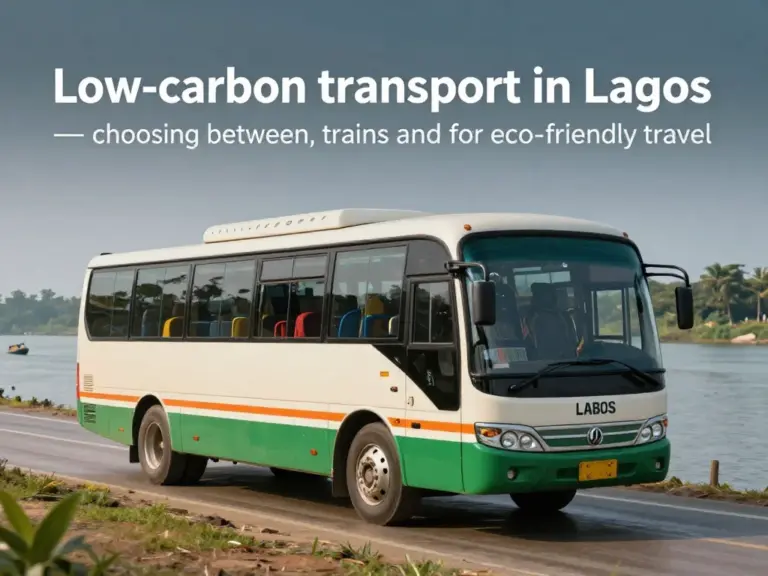
Buses remain the backbone of Laos Tourism. To keep it carbon-light, prioritize large public buses over private minivans whenever possible. Large buses carry more people, optimizing fuel consumption. In cities like Vientiane, look for the green electric buses that are starting to appear as part of the city’s modernization efforts to combat urban pollution.
| Transport Mode | Carbon Impact | Best For |
|---|---|---|
| Electric Train | Very Low | Inter-city long distance |
| Slow Boat | Moderate-Low | Scenic northern routes |
| Public Bus | Moderate | Budget travel / Remote areas |
| Private Van | High | Groups only |
How to Choose: A Decision Framework
When deciding on your transport, ask yourself three questions:
1. Is there an electric rail option? If yes, this is your greenest bet.
2. Can I share this ride? Shared transport is always better than private.
3. Does this route support local infrastructure? Choosing local buses or boats keeps the economy circular and sustainable.
คำถามที่พบบ่อย (FAQ)
What is the most eco-friendly way to travel between Vientiane and Luang Prabang?
The electric high-speed train is the most eco-friendly option as it runs on electricity and moves large numbers of people efficiently, significantly reducing the carbon footprint compared to flying or driving.
Are there electric vehicles available for rent in Laos?
Yes, in major tourist hubs like Luang Prabang and Vientiane, electric scooters and bicycles are becoming increasingly available for daily rental, offering a zero-emission way to explore the city.
How do I book train tickets sustainably?
Use the official ‘LCR Ticket’ mobile app to book your tickets digitally. This avoids the need for paper tickets and reduces the carbon emissions associated with traveling to the station just to purchase a ticket.
Is boat travel in Laos considered ‘green’?
While most boats use traditional engines, they are considered a form of ‘slow travel’ which encourages sustainable tourism. To be greener, choose larger shared slow boats rather than private high-speed powerboats.
References
- Official Laos Tourism Portal
- UNESCO: Sustainable Development in Luang Prabang
- Laos-China Railway Official Information