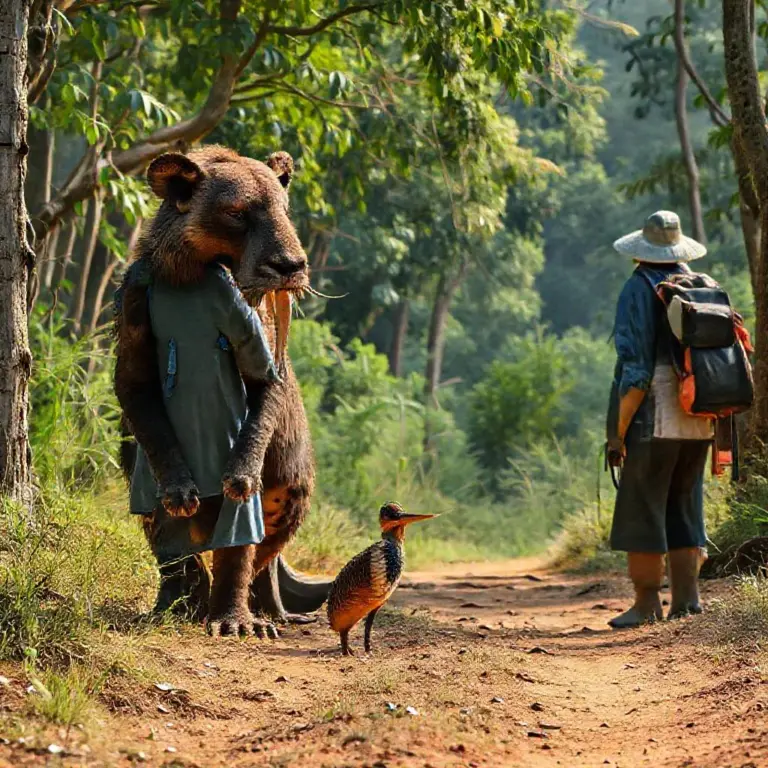
Activities to Seek and Avoid: Responsible Wildlife Experiences in Laos — Wildlife Sanctuaries, Birdwatching, Community-Based Ecotourism vs. Animal Shows and Riding
- Activities to Seek and Avoid: Responsible Wildlife Experiences in Laos — Wildlife Sanctuaries, Birdwatching, Community-Based Ecotourism vs. Animal Shows and Riding
- The Ethical Imperative: Why Responsible Choices Matter in Laos
- Activities to Actively Seek: The Best Responsible Wildlife Experiences in Laos
- Activities to Avoid: Red Flags in Lao Wildlife Tourism
- Choosing the Right Tour Operator: Vetting for Trustworthiness
- Witnessing Wildlife in the Wild: A Look at Conservation Successes
- คำถามที่พบบ่อย (FAQ)
Laos, often called the ‘Land of a Million Elephants,’ holds vast, untamed natural beauty, making it a compelling destination for nature lovers. However, as tourism grows, so does the ethical imperative for travelers to choose their interactions wisely. Understanding which Responsible Wildlife Experiences in Laos to seek and which to avoid is crucial for preserving its rich biodiversity and supporting local communities. This guide provides expert insight into ethical wildlife tourism practices in the Lao PDR.
The Ethical Imperative: Why Responsible Choices Matter in Laos
The Southeast Asian wildlife trade and associated tourism practices have historically led to animal suffering and habitat loss. For Laos, this means moving away from exploitative activities toward conservation-focused models. Responsible tourism ensures that your travel dollars directly benefit conservation efforts, support local livelihoods through fair employment, and protect animals in their natural or semi-natural habitats.
Key Principles of Ethical Wildlife Tourism
As an expert in sustainable travel, I advise focusing on activities that adhere to the ‘Three Rs’: Respect, Research, and Rethink. Respect the animal’s space, research the organization’s credentials, and rethink any activity that involves direct physical contact or performance.
Seek Out: Conservation and Education
Prioritize activities that emphasize education, rehabilitation, and in-situ conservation, such as accredited sanctuaries and community-based ecotourism projects.
Activities to Actively Seek: The Best Responsible Wildlife Experiences in Laos
When planning your trip, look for experiences that prioritize animal welfare and community benefit. These are the cornerstone of modern, sustainable travel in Laos.
1. Supporting Genuine Wildlife Sanctuaries and Rescue Centers
Genuine sanctuaries provide lifetime refuge for animals rescued from the illegal wildlife trade or abusive conditions. They focus on rehabilitation, not profit from direct interaction. Look for centers that:
- Do not allow feeding or direct touching of large animals (especially primates or bears).
- Maintain large, natural enclosures.
- Are transparent about their funding and rescue history.
2. Ethical Birdwatching and Nature Trekking
Laos boasts incredible avian diversity, particularly in protected areas like the Nam Et-Phou Louey National Protected Area (NEPL). Birdwatching is inherently low-impact when done correctly. Always hire local, trained guides who know how to observe without disturbing nesting or feeding behaviors. This is a fantastic way to engage with wildlife responsibly.
3. Community-Based Ecotourism (CBET)
CBET initiatives, often found in remote villages, offer profound cultural exchange alongside nature appreciation. These projects ensure that tourism revenue flows directly to the community, providing economic alternatives to logging or poaching. Examples include staying in village homestays, participating in traditional crafts, or taking guided treks where the focus is on respecting the local ecosystem and culture.
Activities to Avoid: Red Flags in Lao Wildlife Tourism
The key to ethical travel is recognizing exploitative practices. If an activity seems too good to be true, it likely involves animal stress or abuse.
1. Elephant Riding and Performance Shows
Historically, elephant tourism was widespread. Today, ethical tourism strongly rejects elephant riding, trekking, and performances (such as painting or football). The training methods used to break the spirit of these intelligent animals—known as ‘phajaan’—are inherently cruel. Seek out ethical elephant centers where observation from a respectful distance is the primary activity, focusing on feeding and bathing (without riding).
Avoid At All Costs
Any attraction that demands direct, close physical interaction (riding, forced feeding, cuddling) with wild or semi-wild animals, especially primates, bears, or large cats.
2. Attractions Involving Captive Animals for Selfies
Be wary of roadside stops or small ‘zoos’ where exotic animals are kept in small, barren cages solely for tourist photo opportunities. Often, these animals are illegally captured, drugged to remain docile, and subjected to stressful handling. This practice directly fuels the illegal wildlife trade.
3. Unregulated Caving and Water Activities Near Sensitive Habitats
While many cave systems (like those in Vang Vieng) are popular, ensure your tour operator uses established pathways and adheres to environmental guidelines. Excessive noise, light pollution, and littering can severely disrupt bat colonies and cave-dwelling micro-ecosystems.
Choosing the Right Tour Operator: Vetting for Trustworthiness
Your choice of operator dictates the impact of your visit. To ensure you are engaging in Responsible Wildlife Experiences in Laos, cross-reference operators with established ethical tourism bodies. Look for companies that employ local guides, reinvest profits into conservation, and actively participate in local clean-up or monitoring programs.
| Ethical Indicator | Red Flag |
|---|---|
| Clear visitor limits and designated viewing zones. | Unlimited access or close proximity to all animals. |
| Focus on observation, education, and minimal habitat disturbance. | Focus on interaction, feeding, or entertainment. |
| Guides are certified in conservation practices. | Guides are primarily focused on quick turnover and sales. |
Witnessing Wildlife in the Wild: A Look at Conservation Successes
Laos is making strides in conservation, often in partnership with international NGOs. For travelers interested in seeing rare species, focusing on guided treks in protected areas is the best route. You might catch a glimpse of rare mammals like the Javan Rhinoceros (though critically rare) or various hornbill species.
To give you a sense of the incredible natural environments you can support, here is a short video showcasing the beauty of Lao nature:
When you choose the path of responsible tourism, you are contributing to the long-term survival of Laos’s stunning natural heritage. Embrace the quiet observation, support the local communities leading the change, and leave only footprints.
คำถามที่พบบ่อย (FAQ)
Here are answers to common questions regarding ethical wildlife tourism in the region.
Yes, focus on centers that explicitly forbid riding and prioritize observation, feeding, and bathing experiences where the elephant dictates the interaction. Always check if the center is involved in rescue and rehabilitation programs, rather than simply purchasing elephants for tourism.
The best way is to book through reputable local NGOs or certified tour operators that partner directly with the villages. This ensures that the community sets the rules, prices, and itinerary, maximizing the benefit to them while minimizing environmental impact.
If the attraction features animals performing unnatural tricks, if animals are chained or kept in small, concrete cages, or if staff aggressively encourage you to pay for physical interaction (like riding or holding), it is highly likely to be unethical. If in doubt, do not participate.
The Nam Et-Phou Louey National Protected Area (NEPL) in the north of Laos is highly regarded for its biodiversity and established ecotourism projects focused on wildlife monitoring and bird observation.
References
World Animal Protection Guidelines for Ethical Wildlife Tourism
Laos Ecotourism Portal (Sample Partner Site)
- Wildlife-Friendly Itineraries in Laos: How to Travel Responsibly and Avoid Animal Exploitation
- Why Choose Wildlife-Friendly Tours in Laos: Understanding the Impact of Tourism on Local Animals and Ecosystems
- Planning Ethical Wildlife Itineraries: How to Research, Verify, and Book Tours That Protect Animals