Why Choose Wildlife-Friendly Tours in Laos: Understanding the Impact of Tourism on Local Animals and Ecosystems
- Why Choose Wildlife-Friendly Tours in Laos: Understanding the Impact of Tourism on Local Animals and Ecosystems
Laos, the ‘Land of a Million Elephants,’ captivates travelers with its lush karst landscapes, serene rivers, and rich biodiversity. However, as tourism grows, so does the pressure on its natural habitats and wildlife. Understanding Why Choose Wildlife-Friendly Tours in Laos is no longer optional—it is a fundamental responsibility for every visitor. This guide dives deep into the tangible impact tourism has on local animals and ecosystems, empowering you to make choices that support conservation rather than exploitation.
The Delicate Balance: Laos’s Biodiversity Under Threat
Laos is home to endangered species such as the Red-shanked Douc Langur, the critically endangered Laotian Rock Rat (Khankray), and significant populations of Asian elephants. These ecosystems—from the Annamite Mountains to the Mekong River—are intricate and easily disrupted. Unregulated tourism often leads to habitat fragmentation, pollution, and direct interference with animal behavior, pushing vulnerable populations closer to the brink. Recognizing this fragility is the first step toward responsible engagement.
Negative Impacts of Unethical Tourism Practices
When travelers prioritize cheap thrills over ethical standards, the consequences for local wildlife can be severe. We must be aware of the common pitfalls:
- Elephant Exploitation: Riding elephants, while historically common, causes significant physical harm and psychological stress to these intelligent creatures. Look for sanctuaries that focus on observation and rehabilitation, not performance.
- Wildlife Trafficking & Souvenirs: Demand fuels the illegal trade. Purchasing items made from protected species (like ivory, exotic skins, or certain timber) directly supports poaching networks.
- Habitat Degradation: Off-trail excursions, littering, and uncontrolled infrastructure development destroy vital nesting grounds and feeding areas for endemic species.
- Feeding Wildlife: Offering food to monkeys or birds habituates them to human interaction, alters their natural diet, and can lead to aggressive behavior or dependency.
The Pillars of Wildlife-Friendly Tourism in Laos
Choosing certified or highly reputed wildlife-friendly operators ensures your travel dollars actively contribute to conservation efforts. This commitment is built on several key pillars:
1. Ethical Animal Encounters (The Sanctuary Model)
The gold standard for ethical wildlife interaction involves observing animals in environments that mimic their natural habitat, with minimal human interference. The best facilities prioritize rescue, rehabilitation, and release, rather than entertainment. These organizations often rely heavily on tourism revenue to fund veterinary care and habitat maintenance. Always verify that the tour operator adheres to a strict ‘no-touch, no-ride’ policy, especially concerning elephants.
2. Supporting Local Communities and Conservation Science
Responsible tourism directly benefits the people who live closest to these natural areas. When you book with local, eco-certified operators, you support sustainable livelihoods that provide an economic alternative to destructive practices like logging or poaching. Furthermore, many responsible tours contribute data or funding directly to scientific research monitoring endangered Lao species. Explore local conservation initiatives here.
3. Protecting Aquatic Ecosystems Along the Mekong
The Mekong River is vital for countless species, including the rare Irrawaddy Dolphin near Luang Prabang. Wildlife-friendly boat tours employ slow speeds, maintain safe distances, and avoid using disruptive engine methods. Unregulated boat traffic is a major threat to these dolphins, causing noise pollution and collisions. Choosing a small, licensed operator committed to river stewardship is paramount when exploring aquatic life.
How to Vet a Tour Operator Before You Book
Making the right choice requires diligence. Before committing to a trip, conduct thorough research to ensure your travel dollars align with your values. This due diligence is central to understanding Why Choose Wildlife-Friendly Tours in Laos.
| Checklist Item | Red Flag (Avoid) | Green Flag (Choose) |
|---|---|---|
| Animal Interaction | Riding, bathing, feeding, or holding animals for photos. | Observation from a respectful distance; no physical contact. |
| Transparency | Vague answers about where profits go or how animals are cared for. | Clear documentation on conservation contributions and vet care. |
| Group Size | Large groups that overwhelm sensitive habitats. | Small, intimate groups (under 8 people) for minimal impact. |
| Waste Management | Visible littering or evidence of poor waste disposal. | Strict ‘pack it in, pack it out’ policy; use of reusable items. |
Immersive, Low-Impact Experiences in Laos
Fortunately, Laos offers incredible opportunities for nature lovers that prioritize animal well-being. Consider these alternatives:
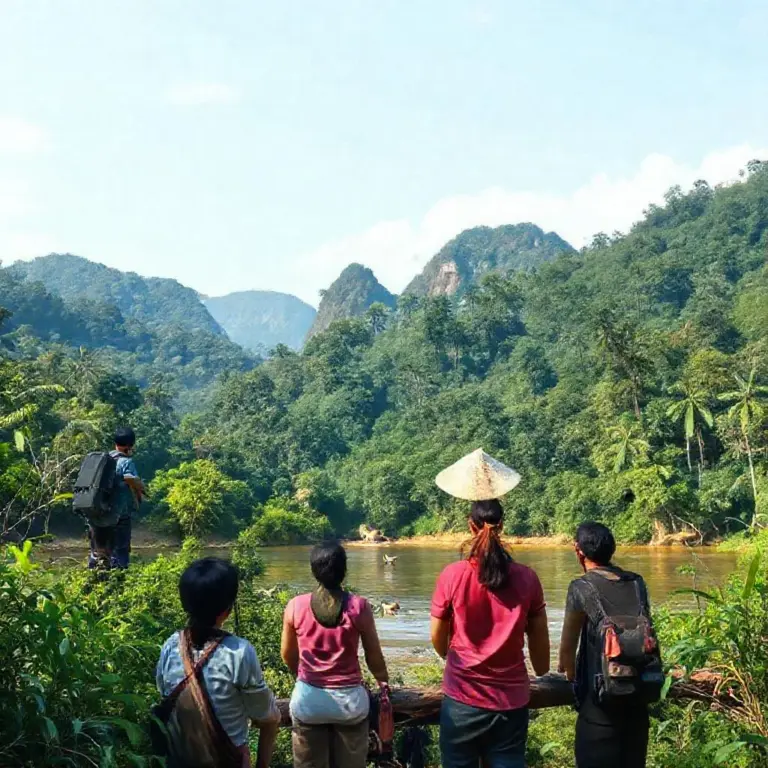
- Trekking in Protected Areas: Opt for guided treks through National Protected Areas (NPAs) led by local guides trained in minimal disturbance tracking. These tours often focus on botany and birdwatching rather than direct animal encounters.
- Ethical Homestays: Staying in community-run homestays, particularly in areas bordering forests, ensures your money directly supports local stewards who have a vested interest in protecting the environment around them.
- Birdwatching Tours: Laos boasts spectacular avian diversity. Specialized birdwatching tours are inherently low-impact, requiring silence, patience, and distance from the subject.
To showcase the vital role of conservation technology in protecting these habitats, here is a look at species monitoring:
Conclusion: Your Footprint Matters
The future of Laos’s magnificent wildlife hinges on the choices made by the tourism industry and travelers alike. By actively seeking out and supporting wildlife-friendly tours, you become an essential partner in conservation. Your travel decisions must reflect a deep respect for the local animals and the ecosystems that sustain them. Embrace responsible tourism, and your journey through Laos will not only be unforgettable but also profoundly positive.
คำถามที่พบบ่อย (FAQ)
References
IUCN Red List of Threatened Species Information
World Wildlife Fund (WWF) Conservation Reports
- Wildlife-Friendly Itineraries in Laos: How to Travel Responsibly and Avoid Animal Exploitation
- Planning Ethical Wildlife Itineraries: How to Research, Verify, and Book Tours That Protect Animals
- Activities to Seek and Avoid: Responsible Wildlife Experiences in Laos — Wildlife Sanctuaries, Birdwatching, Community-Based Ecotourism vs. Animal Shows and Riding