Wildlife-Friendly Itineraries in Laos: How to Travel Responsibly and Avoid Animal Exploitation
- Wildlife-Friendly Itineraries in Laos: How to Travel Responsibly and Avoid Animal Exploitation
Laos, the ‘Land of a Million Elephants,’ is a jewel of Southeast Asia, celebrated for its lush jungles, serene rivers, and rich biodiversity. As tourism grows, so does the critical need for ethical travel practices. For the conscientious traveler, creating Wildlife-Friendly Itineraries in Laos: How to Travel Responsibly and Avoid Animal Exploitation is not just a suggestion—it is a necessity. This guide equips you with the knowledge to explore Laos’ natural wonders while ensuring your presence supports, rather than harms, its precious wildlife.
Understanding Ethical Wildlife Tourism in Laos
Ethical wildlife tourism revolves around minimizing negative impacts on animals and their habitats while maximizing benefits for local communities and conservation efforts. In Laos, this often means navigating tricky situations, especially concerning elephants and roadside animal attractions. True responsible travel requires research and a willingness to choose certified, high-welfare operators. We must prioritize observation in natural settings over direct interaction that compromises animal welfare.
The Elephant Dilemma: Moving Beyond Riding
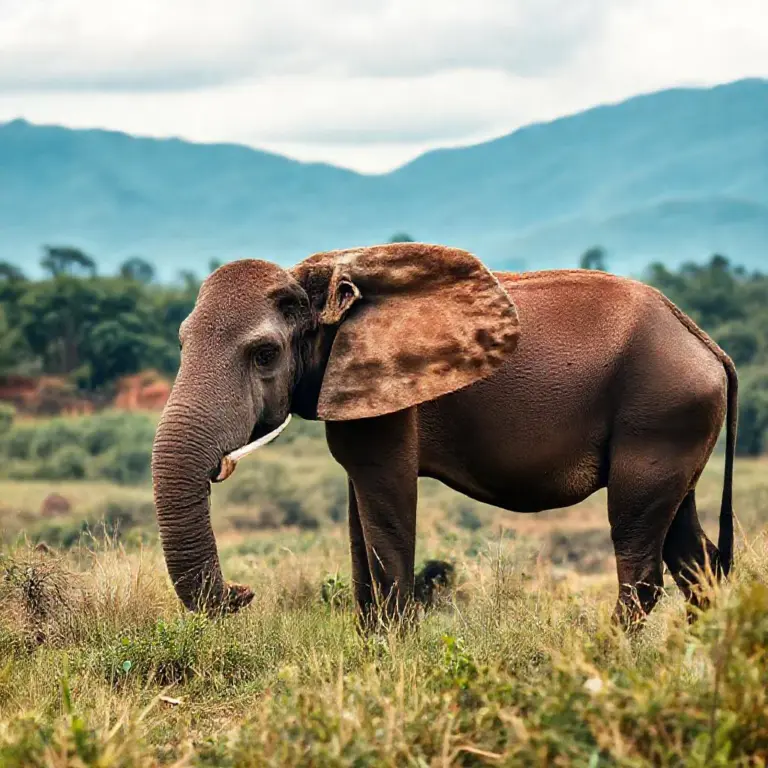
Historically, elephant riding has been a major draw. However, the training methods (often involving severe abuse) and the physical strain of carrying tourists make riding inherently unethical. Responsible travelers must seek out genuine elephant sanctuaries and observation centers.
Choosing True Sanctuaries: Luang Prabang & Sayaboury
Look for organizations that focus on rescue, rehabilitation, and letting elephants roam freely. These centers often operate under strict guidelines:
- No Riding: A non-negotiable standard for ethical centers.
- Observation Distance: Focus on watching them bathe, forage, and socialize.
- Community Involvement: Ensure profits directly benefit the mahouts and conservation programs.
The best way to experience these gentle giants is by supporting their recovery in natural environments, such as centers near Luang Prabang or the dedicated elephant conservation areas in Sayaboury Province.
Itinerary Focus: Wildlife Hotspots with a Conscience
Crafting a wildlife-friendly itinerary means focusing on national parks, protected areas, and responsible trekking operators. Avoid attractions where animals are caged, chained, or forced to perform.
1. Northern Laos: Biodiversity and Trekking (Luang Namtha)
Luang Namtha is the heart of responsible trekking in Laos. The Nam Ha National Protected Area (NPA) is managed with strong community involvement. Here, the focus is on birdwatching, learning about medicinal plants, and observing wildlife from a respectful distance.
2. Central Laos: River Systems and Protected Habitats (Bolisat Region)
The Bolisat region, home to the Xe Bang Nouan NPA, offers incredible opportunities for observing aquatic life and rare mammals. Focus on boat trips that respect river ecology.
For a truly unique, ethical experience, consider visiting the Lao PDR Giant Black Gibbon conservation project, if available to visitors, or supporting local initiatives dedicated to protecting the critically endangered Northern White-cheeked Gibbon.
3. Southern Laos: Wetlands and Birdlife (Xe Sap NPA)
The Xe Sap NPA, bordering Vietnam, is vital for migratory birds and Asian waterfowl. Responsible travel here means joining guided birdwatching tours that adhere to strict noise and distance protocols. Avoid any activity that involves disturbing nesting sites or feeding wild birds.
Avoiding Animal Exploitation: Red Flags for Tourists
To successfully implement Wildlife-Friendly Itineraries in Laos: How to Travel Responsibly and Avoid Animal Exploitation, you must be vigilant against practices that prioritize tourist dollars over animal well-being. Here are clear red flags to watch out for:
| Red Flag Activity | Why It’s Harmful |
|---|---|
| Tiger/Bear Petting or Photo Ops | Animals are often drugged, malnourished, or kept in cruel conditions for tourist interaction. |
| Circus-like Animal Shows | Involves forced training, unnatural behavior, and confinement. |
| Feeding Wild Monkeys/Animals | Changes natural feeding habits, makes animals aggressive toward humans, and spreads disease. |
| Souvenirs Made from Wildlife Parts | Drives illegal poaching and trafficking (e.g., ivory, exotic skins, or traditional medicine ingredients). |
Supporting Conservation Through Your Travel Choices
Your expenditure has power. By consciously directing your funds towards certified ethical businesses, you are actively funding conservation.
- Choose Eco-Lodges: Select accommodations that use renewable energy, practice sustainable waste management, and employ local staff at fair wages.
- Support Local Guides: Hiring local, certified guides ensures your money stays within the community, providing an economic incentive to protect the surrounding nature.
- Donate Directly: Research established, reputable Lao conservation NGOs working on species protection (like the Lao Elephant Conservation Center or similar initiatives) and donate directly rather than through opaque tour operators.
To better understand the challenges and successes of wildlife protection in the region, watch this overview of conservation efforts:
Remember, responsible travel is an ongoing education. Always ask questions about animal welfare standards before booking any activity involving wildlife. Being a responsible tourist in Laos means leaving only footprints and taking only memories that don’t come at the expense of an animal’s freedom or well-being.
คำถามที่พบบ่อย (FAQ)
References
World Animal Protection Resources on Southeast Asia Tourism
Official Laos Tourism Information Portal
WWF Conservation Projects in the Greater Mekong Region
- Why Choose Wildlife-Friendly Tours in Laos: Understanding the Impact of Tourism on Local Animals and Ecosystems
- Planning Ethical Wildlife Itineraries: How to Research, Verify, and Book Tours That Protect Animals
- Activities to Seek and Avoid: Responsible Wildlife Experiences in Laos — Wildlife Sanctuaries, Birdwatching, Community-Based Ecotourism vs. Animal Shows and Riding