Water rituals explained: Song sin, bathing Buddha images, and respectful ways tourists can participate
In the heart of Southeast Asia, water is far more than a life-sustaining resource; it is a sacred element of purification, renewal, and respect. For the people of Laos, particularly during the celebration of Pi Mai (Lao New Year), water rituals are the spiritual cornerstone of the festivities. Understanding these water rituals explained through the lens of local tradition allows visitors to move beyond being mere spectators and become respectful participants in a culture deeply rooted in Theravada Buddhism.
The Spiritual Essence of Song Sin
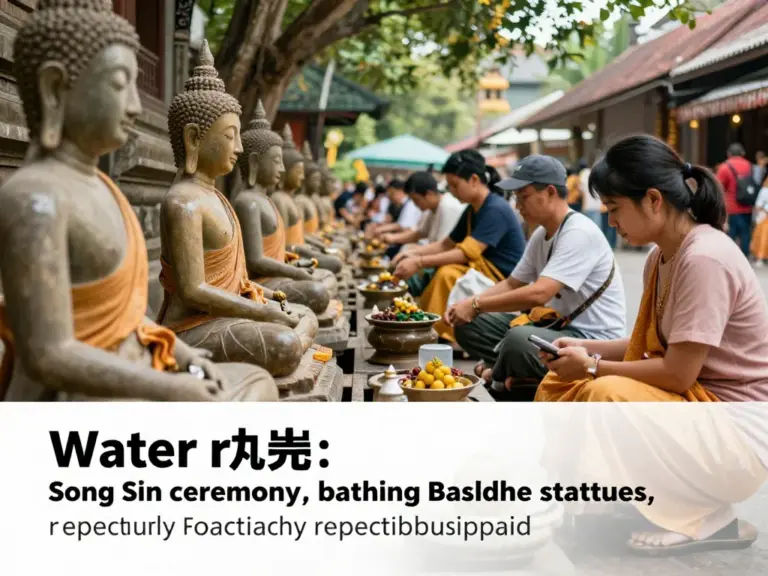
One of the most profound aspects of Lao New Year is ‘Song Sin’. While many tourists associate the holiday with large-scale water fights in the streets, the traditional practice of Song Sin is a quiet, meditative act. It involves the ritual cleaning of homes, Buddha images, and the hands of elders with scented water. The water used is often infused with flower petals, particularly the ‘Dok Champa’ (Frangipani) or ‘Dok Khoun’ (Cassia fistula), and perfumes. This act symbolizes the washing away of bad luck and sins from the previous year, making space for a fresh, virtuous start.
The Sacred Tradition of Bathing Buddha Images
During Pi Mai, temples across Laos become hubs of spiritual activity. The ritual of bathing Buddha images (Song Phra) is a central highlight. Statues are temporarily moved from their permanent pedestals to special temporary pavilions or ‘Sims’ where the public can access them. Devotees use small silver bowls to pour scented water over the shoulders and bodies of the statues—never directly over the head—as a mark of supreme respect.
The water that runs off the Buddha images is considered holy. In many communities, people will collect this runoff water to take home and sprinkle on family members or around their property for protection and blessings. This ritual reinforces the connection between the community and the divine, ensuring prosperity for the coming lunar cycle.
Respectful Ways Tourists Can Participate
As a guest in Laos, participating in these water rituals can be a life-changing experience, provided it is done with cultural sensitivity. Here is how you can engage respectfully:
- Dress Appropriately: When visiting temples for water rituals, wear modest clothing that covers shoulders and knees. A traditional Lao ‘Sinh’ (skirt) for women or neat trousers for men is highly appreciated.
- Ask Permission: Before pouring water on a Buddha image or participating in a family’s Song Sin, observe others first or ask a local guide for the correct etiquette.
- Avoid High-Pressure Water: While street festivities involve buckets and hoses, never use high-pressure water guns near temples or when interacting with elders and monks.
- The ‘Sabaidee’ Spirit: Always accompany your participation with a warm smile and a ‘Sabaidee Pi Mai’ (Happy New Year) greeting.
| Ritual Name | Primary Purpose | Tourist Engagement Level |
|---|---|---|
| Song Sin | Purification of self and home | Observational / Gentle participation |
| Song Phra | Bathing Buddha images | High (Welcome at temples) |
| Rod Nam Dum Hua | Respecting elders with water | Invitational only |
The Environmental and Social Impact
In recent years, there has been a push within Laos tourism to return to the ‘traditional’ roots of these water rituals. While the ‘water fight’ aspect is popular with younger crowds, the government and local leaders encourage tourists to focus on the spiritual and communal aspects. Using natural flower scents instead of synthetic dyes and being mindful of water conservation are modern ways to respect this ancient tradition.
คำถามที่พบบ่อย (FAQ)
Q1: When do these water rituals take place in Laos?
A1: These rituals primarily occur during Pi Mai (Lao New Year), which is usually held from April 14th to 16th every year.
Q2: Can I take photos of people performing Song Sin?
A2: Yes, but always ask for permission first, especially inside temple grounds, and ensure your camera is protected from water.
Q3: Is it okay to splash monks with water?
A3: No. You should never splash water on a monk. Instead, you may gently pour scented water over their hands if they offer, but usually, tourists should simply observe the respect shown to the Sangha.
Q4: Do I need to bring my own water to the temple?
A4: Most temples provide bowls and scented water for visitors to use, though locals often bring their own specially prepared flower water.