The Enigmatic Plain of Jars: Essential Guide — History, Practical Tips, and What to Expect When You Visit
- The Enigmatic Plain of Jars: Essential Guide — History, Practical Tips, and What to Expect When You Visit
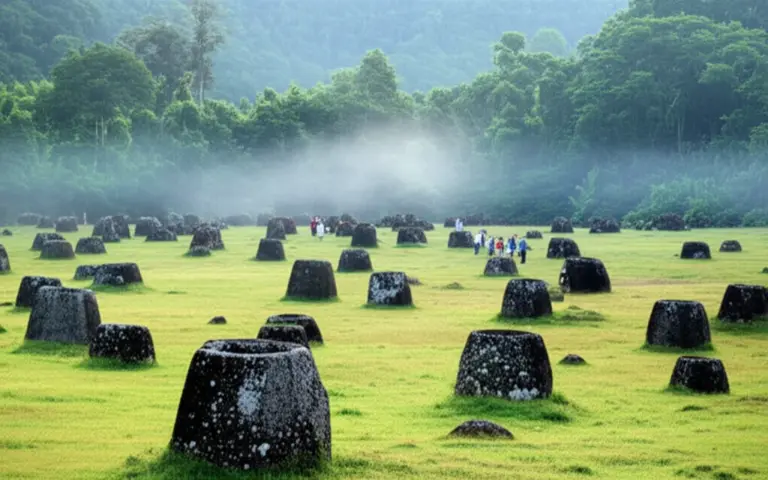
Nestled within the serene landscapes of Laos lies one of Southeast Asia’s most profound archaeological puzzles: the Plain of Jars. This ancient site, scattered across the Xieng Khouang plateau, is adorned with thousands of megalithic stone jars, whose origins and purpose have baffled scholars and intrigued visitors for centuries. For anyone planning a journey through Laos, a visit to this UNESCO World Heritage site offers a unique blend of history, mystery, and cultural immersion. This essential guide provides you with everything you need to know, from its fascinating history and practical travel tips to what you can expect when you step foot into this enigmatic plain.
Quick Fact:
The Plain of Jars was officially inscribed as a UNESCO World Heritage site in 2019, recognizing its outstanding universal value and cultural significance. [11]
Discovering the Ancient Mystery: History of the Plain of Jars
The story of the Plain of Jars is deeply rooted in the Iron Age, with archaeological evidence suggesting the jars date back some 2,000 to 3,000 years. [11] These massive stone vessels, carved from sandstone, granite, and limestone, vary in size from less than a meter to over three meters in height and can weigh several tons. They are found clustered in dozens of sites across the Xieng Khouang plateau, with some sites containing hundreds of jars. [5]
Origins and Theories
The true purpose of these prehistoric jars remains one of archaeology’s greatest unsolved mysteries. Local legends speak of giants using them as drinking cups or for brewing potent rice wine to celebrate victories. [8] However, archaeological research, notably by French archaeologist Madeleine Colani in the 1930s, and more recent studies, strongly suggest a funerary purpose. [5], [10] It is believed that the jars were used in ancient burial rituals, possibly to hold human remains, or as ossuaries where bones were interred after a period of decomposition. Excavations have uncovered human bones, teeth, and burial goods near and inside the jars, supporting the theory of their connection to death rituals. [10], [11]
The French Archaeological Expeditions
Madeleine Colani’s extensive work in the 1930s provided the first comprehensive scientific documentation of the sites. Her findings, published in ‘Megaliths of Upper Laos’, laid the groundwork for future research and brought international attention to the Plain of Jars. Her theories on their funerary use are still widely considered, though ongoing research continues to refine our understanding. [5], [10]
UNESCO World Heritage Status
In July 2019, the Plain of Jars was officially recognized as a UNESCO World Heritage site. This designation highlights its global importance as an exceptional example of an Iron Age funerary landscape and underscores the need for its preservation. The recognition has also brought increased awareness and support for demining efforts in the region, crucial for making more sites accessible and safe for visitors. [11]
Planning Your Journey: Practical Tips for Visiting
A trip to the Plain of Jars is an adventure into a less-traveled part of Laos. Proper planning will ensure a smooth and memorable experience.
Getting There: Phonsavan and Beyond
The primary gateway to the Plain of Jars is Phonsavan, the capital of Xieng Khouang Province. You can reach Phonsavan by:
- Flight: Direct flights are available from Vientiane and Luang Prabang to Xieng Khouang Airport (XKH).
- Bus: Overnight and day buses connect Phonsavan with major cities like Vientiane, Luang Prabang, and Savannakhet. Be prepared for long, winding journeys, especially from Luang Prabang.
- Private Car/Minivan: This offers more flexibility and comfort, often arranged through guesthouses or tour operators.
Once in Phonsavan, you’ll need to arrange transport to the jar sites. Taxis, tuk-tuks, or guided tours are readily available. Many visitors opt for a guided tour which often includes transportation and an English-speaking guide who can provide valuable insights into the sites’ history and the UXO situation.
A critical aspect of visiting the Plain of Jars is understanding the lasting impact of the ‘Secret War’ in Laos. Xieng Khouang Province was heavily bombed, leaving behind vast quantities of unexploded ordnance (UXO). [3], [6] While the main visitor sites are cleared and marked, it is imperative to:
- Stay on marked paths: Never venture off the designated, cleared routes.
- Heed warning signs: Look for red and white markers, which indicate uncleared areas.
- Consider a guide: A local guide can provide not only historical context but also ensure your safety.
Organizations like MAG (Mines Advisory Group) and UXO Lao are continuously working to clear the province, but the process is ongoing. You may see evidence of UXO clearance efforts and even visit the MAG Visitor Centre in Phonsavan to learn more about their vital work. [3]
Best Time to Visit
The dry season, from October to April, is generally considered the best time to visit. The weather is cooler and more pleasant for exploring, and the roads are in better condition. The rainy season (May to September) can make travel challenging due to muddy roads, but it also brings lush green landscapes and fewer tourists.
Accommodation and Local Cuisine
Phonsavan offers a range of guesthouses and a few hotels to suit different budgets. Don’t expect luxury, but you’ll find comfortable and clean options. The local cuisine in Xieng Khouang is similar to general Lao food, with plenty of sticky rice, grilled meats, fresh vegetables, and flavorful soups. Seek out local markets for an authentic experience and try the local ‘Lao-Lao’ rice whiskey, often infused with herbs.
What to Expect: Exploring the Jar Sites
There are three main sites accessible to tourists, each offering a unique perspective on the Plain of Jars. These sites have been thoroughly cleared of UXO and are well-maintained.
Site 1 (Thong Hai Hin): The Largest Collection
Located about 15 km southwest of Phonsavan, Site 1 is the most famous and largest of the jar sites, featuring over 300 jars, including the largest known single jar. [10] This site also contains a cave, believed to have been an ancient crematorium, and offers insights into the funerary practices. The landscape here is dramatic, with jars scattered across rolling hills, some bearing the scars of bombing from the Secret War. [6]
Site 2 (Hai Hin Phu Salato): Scenic Views
Approximately 25 km south of Phonsavan, Site 2 is perched on two hilltops, offering breathtaking panoramic views of the surrounding countryside. The jars here are fewer but are beautifully arranged amidst trees, creating a serene and picturesque setting. It’s an excellent spot for photography and quiet contemplation.
Site 3 (Hai Hin Lat Khai): Rural Charm
About 35 km southeast of Phonsavan, Site 3 is often visited in conjunction with Site 2. It requires a short walk through rice paddies and a small village, offering a glimpse into rural Lao life. The jars here are smaller and more spread out, providing a sense of discovery as you wander through the pastoral landscape.
Cultural Sensitivity and Respect
When visiting the Plain of Jars, remember that it is a site of immense historical and cultural significance. Please show respect by:
- Taking photos respectfully and not climbing on the jars.
- Disposing of your litter properly.
- Engaging with local communities respectfully.
Beyond the Jars: Experiences in Xieng Khouang Province
While the Plain of Jars is the main attraction, Xieng Khouang Province offers other compelling experiences:
- MAG Visitor Centre: Essential for understanding the UXO issue and supporting demining efforts.
- Phonsavan Market: A vibrant local market where you can experience daily life and find unique crafts.
- Muang Khoun: The old provincial capital, featuring ancient stupas and temples, offering a glimpse into the region’s royal past before its destruction during the Secret War.
The Plain of Jars is more than just an archaeological site; it’s a testament to ancient civilizations, a poignant reminder of recent history, and a symbol of Laos’s enduring spirit. By exploring its mysteries and respecting its legacy, you’ll gain a deeper appreciation for this truly unique corner of the world.
คำถามที่พบบ่อย (FAQ)
What is the Plain of Jars?
The Plain of Jars is an archaeological landscape in Laos, characterized by thousands of megalithic stone jars dating back to the Iron Age (500 BC – 500 AD). Their exact purpose is unknown, but they are widely believed to be associated with ancient funerary practices. [8]
Where is the Plain of Jars located?
It is located on the Xieng Khouang plateau in central Laos, near the city of Phonsavan, which serves as the main entry point for visitors. [5], [8]
Is it safe to visit the Plain of Jars?
Yes, the main jar sites (Sites 1, 2, and 3) that are open to tourists have been thoroughly cleared of unexploded ordnance (UXO) and are considered safe. However, it is crucial to always stay on marked paths and never venture into uncleared areas due to the lingering presence of UXO from the Secret War. [3], [6]
What is the best way to get to the Plain of Jars?
The most common way is to fly or take a bus to Phonsavan, the provincial capital. From Phonsavan, you can hire a taxi, tuk-tuk, or join a guided tour to visit the jar sites. Guided tours are highly recommended for safety and historical context. [5]
What should I bring when visiting?
Essential items include comfortable walking shoes, sun protection (hat, sunscreen), insect repellent, sufficient water, and a camera. If visiting during the rainy season, a raincoat or umbrella is advisable.
References
- Exploring the Mysteries of the Plain of Jars in Laos – YouTube
- The Plain of Jars in Laos – YouTube
- Plain Of Jars (Laos) Vacation Travel Video Guide – YouTube
- The Giants of Asia – Plain of Jars Phonsavan Laos (country) S.E.Asia – YouTube
- Plain of Jars Mystery – YouTube
- The Massive Stone Jars Left by Ancient Giants: Lao’s Plain of Jars – YouTube
- Why the Plain of Jars Matters: Origins, Archaeology, and Theories Behind the Mysterious Stone Jars
- Planning Your Trip: Best Times to Visit, How to Get There, Permits, and Guided Tour vs Independent Travel
- Exploring the Sites Safely: UXO Clearance, Site Access, Walking Routes, and What to Bring for a Day Visit