Etiquette and Laws in Laos: What Travelers Should Know Before You Go
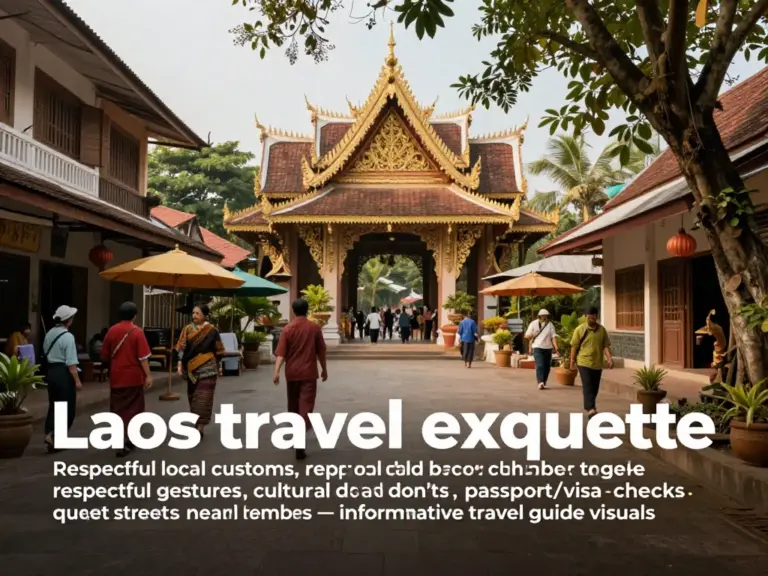
Laos, known as the ‘Land of a Million Elephants,’ is a country steeped in tradition, spirituality, and a relaxed pace of life often referred to as ‘Muang Lao.’ For those engaging in laos Tourism, understanding the local etiquette and legal landscape is not just about avoiding trouble; it is about showing respect to a culture that prides itself on gentleness and hospitality. This guide explores the essential do’s and don’ts to ensure your journey is harmonious and culturally enriched.
Cultural Etiquette: The Lao Way of Life
The cornerstone of Lao social interaction is the ‘Nop.’ Similar to the Thai ‘Wai,’ it involves placing your palms together in a prayer-like gesture at chest level and bowing slightly. While a handshake is becoming more common for men, the Nop remains the most respectful way to greet elders or monks. Remember, the head is considered the most sacred part of the body, while the feet are the lowest and least clean. Never touch a Lao person on the head, and avoid pointing your feet at people or sacred objects like Buddha statues.
Dress Code and Temple Manners
Laos is a conservative country. While the tropical heat might tempt you to wear skimpy clothing, doing so is often seen as offensive, especially in rural areas and religious sites. When visiting temples, both men and women should cover their shoulders and knees. Women are often encouraged to wear a ‘Sinh’ (a traditional wrap-around skirt) when entering holy sites. Furthermore, public displays of affection (PDA) are generally frowned upon in Lao society; keep romantic gestures private to respect local sensibilities.
Essential Laws for Travelers in Laos
When participating in laos Tourism, it is vital to stay on the right side of the law. Laos has strict regulations that might differ significantly from your home country. One of the most critical laws involves relationships: it is technically illegal for a foreigner to have sexual relations with a Lao national unless they are married, and local authorities have been known to enforce this with heavy fines or even imprisonment.
| Topic | Legal Status/Advice |
|---|---|
| Drugs | Strictly illegal; severe penalties including life imprisonment or death. |
| Photography | Avoid taking photos of military installations or government buildings. |
| UXO Safety | Never wander off marked paths in rural areas due to Unexploded Ordnance. |
| Alcohol | Legal, but public intoxication is socially discouraged. |
The Alms Giving Ceremony (Sai Bat)
One of the most iconic experiences in Laos, particularly in Luang Prabang, is the morning Alms Giving. To participate respectfully, observe from a distance if you are not giving offerings. If you do participate, buy fresh rice at the market early in the morning rather than from street vendors along the procession route. Remain silent, dress conservatively, and never use a camera flash near the monks, as it disrupts their meditation.
คำถามที่พบบ่อย (FAQ)
คำถามที่พบบ่อย (FAQ)
Q1: Is it safe to drink tap water in Laos?
A1: No, it is highly recommended to drink only bottled or boiled water to avoid waterborne illnesses.
Q2: Can I use US Dollars or Thai Baht in Laos?
A2: While the Lao Kip (LAK) is the official currency, US Dollars and Thai Baht are widely accepted in major tourist hubs, though you will usually receive change in Kip.
Q3: What should I do if I encounter a monk?
A3: Show respect with a Nop. Women should never touch a monk or hand something directly to them; instead, place the item on a cloth or table for the monk to pick up.
Q4: Is tipping expected in Laos?
A4: Tipping is not a traditional Lao custom, but it is increasingly appreciated in high-end restaurants and by tour guides due to the growth of the tourism industry.
References
Official Laos Tourism Portal
U.S. Department of State – Laos Travel Advisory