Why Learning Basic Lao Phrases Makes Your Laos Trip Easier and More Authentic
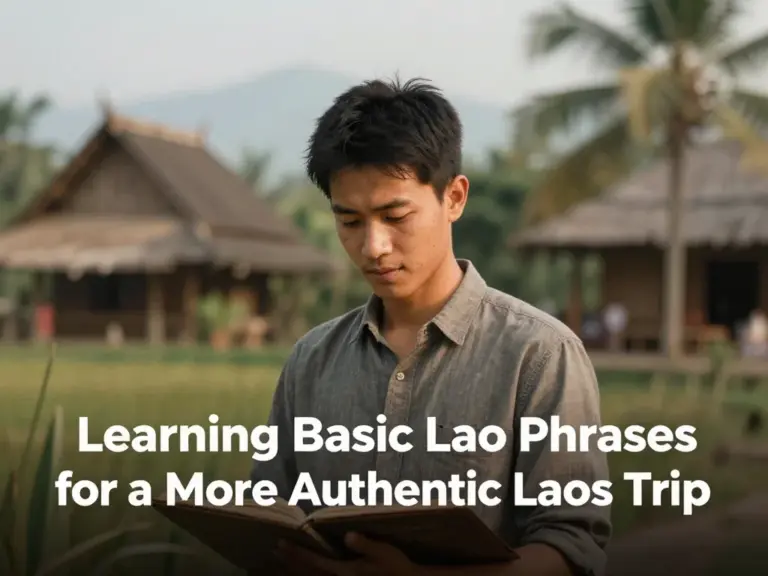
When planning a journey through the enchanting landscapes of Southeast Asia, travelers often overlook the linguistic side of their adventure. However, learning basic Lao phrases can be the single most transformative step you take before arriving in the Land of a Million Elephants. Far beyond just ordering food or hailing a tuk-tuk, speaking even a few words of the local language serves as a bridge to genuine cultural connection.
In a country where hospitality is deeply rooted in daily life, your attempt to speak Lao is met with warmth and appreciation. It signals that you are not just a tourist passing through, but a guest who respects their culture. This simple effort often unlocks doors—literally and figuratively—leading to deeper interactions with locals that you simply wouldn’t experience otherwise.
The Value of Cultural Respect
The Lao people are known for their gentle, laid-back nature. While English is spoken in major tourist hubs like Luang Prabang and Vientiane, the true heart of Laos lies in the smaller villages and markets where English is scarce. By incorporating learning basic Lao phrases into your pre-trip preparation, you demonstrate a level of humility that is highly valued in Buddhist culture.
Pro Tip for Travelers
Always remember to use the polite particle ‘dee’ (for women) or ‘khap’ (for men) at the end of your sentences. It instantly softens your tone and shows respect for the person you are addressing.
Imagine walking through a bustling morning market. You want to ask the price of a beautiful hand-woven textile or fresh tropical fruit. Instead of relying on gestures, saying “Tao dai?” (How much?) coupled with a polite smile changes the dynamic of the negotiation. It transforms a transaction into an interaction. Here are a few essential phrases to get you started:
| English | Lao |
|---|---|
| Hello | Sabai Dee |
| Thank you | Khop Chai |
| How much? | Tao Dai? |
| Delicious | Saep Lai |
| Where is…? | Yu sai? |
Creating Deeper Connections
When you speak Lao, you will notice a shift in the energy of your conversations. Locals light up when they hear a foreigner making an effort. This often leads to invitations for tea, stories about local traditions, or recommendations for hidden gems that aren’t in the guidebooks. It moves your travel experience from the surface level to something much more intimate and memorable.
คำถามที่พบบ่อย (FAQ)
Is Lao hard to learn for English speakers?
Lao is a tonal language, which can be challenging, but learning basic phrases for travel purposes is very achievable. Most locals will appreciate the effort regardless of your tone accuracy!
Do I need to speak Lao in cities like Luang Prabang?
In major tourist areas, many people speak English. However, knowing a few phrases will still make your interactions much friendlier and more authentic.
Where can I practice my Lao before my trip?
You can use language apps, YouTube tutorials, or online travel forums to practice basic vocabulary and pronunciation before you arrive.
Are there any cultural taboos to keep in mind?
Yes, always be polite, avoid raising your voice, and remember that the head is considered sacred while the feet are considered unclean. Respecting these norms alongside your language efforts goes a long way.