What types of visas are available for Laos and which one do you need? (tourist visa, visa on arrival, e-visa, business visa, transit visa)
- What types of visas are available for Laos and which one do you need? (tourist visa, visa on arrival, e-visa, business visa, transit visa)
Planning a trip to the ‘Land of a Million Elephants’ requires more than just packing your bags; understanding the types of visas are available for Laos is the first step toward a seamless journey. Whether you are chasing the sunset in Luang Prabang or conducting business in Vientiane, the Lao People’s Democratic Republic offers several entry paths tailored to different traveler needs. This guide breaks down the complexities of Lao immigration to help you identify exactly which permit fits your itinerary.
Understanding the Laos Tourist Visa and E-Visa Options
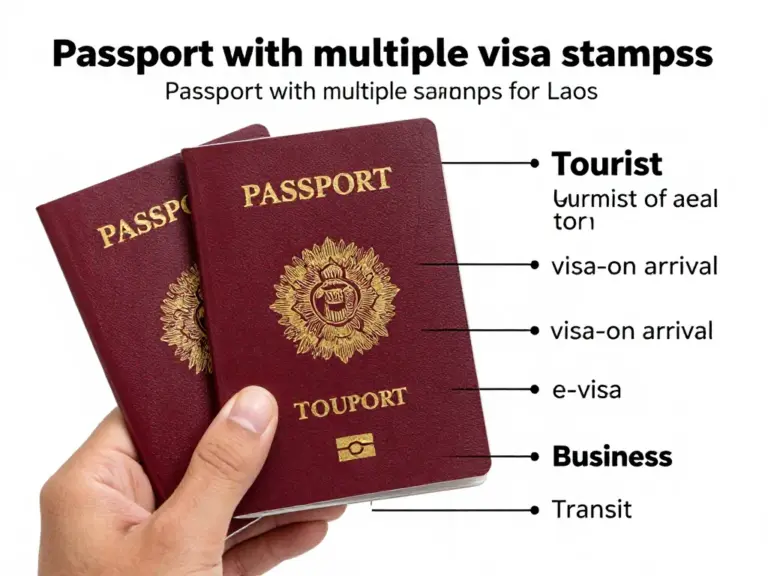
For most international travelers, the Tourist Visa (T-B3) is the standard entry requirement. In recent years, Laos has modernized its process by introducing the Lao Official Online Visa (e-Visa). This digital platform allows citizens from over 160 countries to apply online before arrival. The e-Visa is typically valid for a 30-day stay and is processed within three business days. It is important to note that the e-Visa is only accepted at specific international checkpoints, such as the Wattay International Airport and the Lao-Thai Friendship Bridges.
The Convenience of Laos Visa on Arrival (VoA)
If you prefer flexibility, the Visa on Arrival remains a popular choice. Available at most major airports and land border crossings, this option allows you to obtain your visa upon reaching the Lao border. You will need to provide two passport-sized photos, a passport valid for at least six months, and the visa fee in clean US Dollar bills. The fee varies between $30 and $45 depending on your nationality. While convenient, be prepared for potential queues during peak tourist seasons.
Business Visas and Long-Term Stays
For those visiting for professional reasons, the Business Visa (NI-B2) is the appropriate choice. Unlike the tourist visa, a business visa requires a local sponsor in Laos to provide an invitation letter and obtain approval from the Ministry of Foreign Affairs. This visa is essential for anyone engaging in trade, investment, or consulting work. Additionally, for travelers merely passing through to a third country, a Transit Visa is available for stays up to 7 days, provided you have proof of an onward journey.
| Visa Type | Purpose | Max Duration | Key Requirement |
|---|---|---|---|
| Tourist (e-Visa/VoA) | Leisure/Sightseeing | 30 Days | Passport & Photos |
| Business (NI-B2) | Work/Investment | 30-90 Days | Sponsorship Letter |
| Transit | Passing through | 7 Days | Onward Ticket |
Summary: Which One Do You Need?
Choosing the right visa depends entirely on your purpose and entry point. If you are a tourist entering via a major airport, the e-Visa is the most efficient. If you are crossing a remote land border, the Visa on Arrival is your best bet. Always ensure your passport has at least two blank pages and is valid for more than six months to avoid any issues at the immigration counter.
คำถามที่พบบ่อย (FAQ)
1. Can I extend my Laos tourist visa while in the country?
Yes, tourist visas can be extended at the Immigration Office in Vientiane or Luang Prabang for a fee of approximately $2 per day of extension plus a small service fee.
2. What currency should I use to pay for the Visa on Arrival?
It is highly recommended to pay in US Dollars (USD). While Thai Baht or Lao Kip may be accepted at some borders, the exchange rates offered are usually very poor.
3. How long does it take to process a Laos e-Visa?
Typically, the e-Visa is approved within 3 business days, though it is safer to apply at least one week before your intended travel date.
4. Do children need a separate visa for Laos?
Yes, every traveler, regardless of age, must have their own visa and a valid passport to enter Laos.
References
Lao Official Online Visa (e-Visa) Portal
Ministry of Foreign Affairs of the Lao PDR
- Laos Visa Guide: Everything You Need to Know Before You Go
- How to apply step-by-step: requirements, documents, fees, processing times, and where to apply (embassy, consulate, online)
- Arrival and border procedures: immigration, visa extension, overstays, fines, and tips for smooth entry at airports and land borders