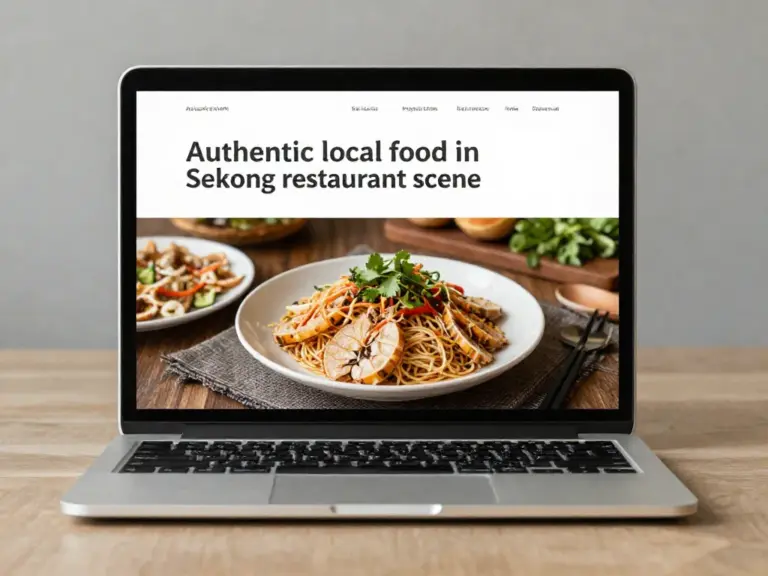
Where to Eat Authentic Local Food in Sekong
Sekong, often overlooked in the typical tourist circuit of Laos, offers a raw, unfiltered experience for travelers who venture into the southern highlands. If you are searching for where to eat authentic local food in Sekong, you are essentially looking for a culinary journey that bridges the gap between traditional tribal practices and provincial Lao hospitality. Unlike the polished cafes of Luang Prabang, the food scene here is defined by freshness, bold flavors, and the daily rhythms of the Mekong River’s tributaries.
The Essence of Sekong Cuisine
To understand where to eat, you must first understand what you are eating. Sekong is home to diverse ethnic groups, including the Katu, Alak, and Talieng. Their influence on the local palate is significant. You will find dishes that rely heavily on forest foraged ingredients, river fish, and sticky rice—the cornerstone of every Lao meal. The flavors here tend to be earthy, spicy, and deeply savory, often utilizing fermented fish paste (pa daek) and fresh herbs that you won’t find in the capital city.
Top Spots to Find Authentic Local Food in Sekong
Finding authentic local food in Sekong requires a bit of adventurous spirit. There are no Michelin stars here, but there are gems that serve the community faithfully. Here is where you should focus your search.
1. The Sekong Morning Market (Talat Sao)
The heart of the local food scene is undoubtedly the morning market. This is where vendors bring their catch from the river and produce from the hills. For the most authentic experience, visit early—between 6:00 AM and 8:00 AM. Look for stalls selling khao nom kok (coconut rice pancakes) or fresh noodle soups. It is the best place to sample seasonal fruits and snacks that are difficult to transport, ensuring you are eating truly local, farm-to-table cuisine.
2. Riverside Eateries along the Sekong River
The river is the lifeblood of the province. Several small, family-run restaurants line the riverbanks, offering views of the water and incredibly fresh fish. When you sit down at these establishments, ask for the river fish of the day, often grilled with lemongrass and chili. This is a quintessential Lao dining experience: simple, unpretentious, and deeply connected to the geography of the land.
3. Provincial Town Center Street Food
As the sun sets, the main street of Sekong town comes alive with small vendors setting up grills. This is where you can find the best grilled meats, such as ping gai (grilled chicken) and ping sin (grilled beef skewers). These are served with sticky rice and a side of spicy dipping sauce (jeow). It is inexpensive, delicious, and the perfect way to mingle with locals finishing their workday.
Comparing Dining Styles in Sekong
| Dining Style | What to Expect | Best Time to Visit |
|---|---|---|
| Morning Market | Fast-paced, fresh ingredients, snacks | Early Morning (06:00-09:00) |
| Riverside Restaurants | Relaxed, fish-focused, scenic | Lunch or Early Dinner |
| Street Food Stalls | Casual, grilled meats, lively | Evening (17:00-20:00) |
What to Order: A Culinary Checklist
When you are unsure of what to pick from a menu, use this checklist to ensure you are tasting the best of the region. These dishes are staples of authentic local food in Sekong.
- Laap: A minced meat salad seasoned with lime, chili, fresh herbs, and toasted rice powder.
- Tam Mak Hoong: Spicy green papaya salad, often made with a stronger, more pungent fermented fish sauce in southern regions.
- Khao Niew: Sticky rice is non-negotiable; it is the utensil used to scoop up almost everything else.
- Gaeng Nor Mai: A flavorful bamboo shoot soup that often features local forest mushrooms and herbs.
- Grilled River Fish: Look for whole fish stuffed with herbs and grilled over charcoal.
Navigating food in a remote province can be intimidating for some. Here are a few practical tips to ensure you have a great experience.
- Hydration: Always prefer bottled water over tap water, even in restaurants.
- Spice Levels: Lao food can be incredibly spicy. If you have a low tolerance, ask for ‘mai phet’ (not spicy), though keep in mind the definition of ‘not spicy’ in Laos is still quite flavorful.
- Hygiene: Choose places that are busy with local patrons; high turnover usually means fresher food.
- Cash is King: Small eateries rarely accept credit cards or digital payments. Always carry small denominations of Lao Kip.
Cultural Etiquette
Eating in Sekong is a social act. It is common to share dishes rather than order individual meals. If you are invited to eat with a local family or group, accepting is a gesture of goodwill. Remember to remove your shoes if entering a home-style restaurant. Using your hands to eat sticky rice is perfectly acceptable and expected, but always use your right hand.
Conclusion
Sekong may not be a culinary capital, but its authentic local food scene offers a profound connection to the culture and the environment. By venturing into the morning markets, sitting by the river, and engaging with the street food scene, you move beyond the role of a tourist and into the role of a traveler. Embrace the simplicity of the sticky rice, the intensity of the chili, and the warmth of the people. This is the true flavor of southern Laos.
Frequently Asked Questions (FAQ)
A: Yes, generally speaking. Look for stalls that have high turnover and are busy with locals, which ensures the food is fresh and not sitting out for long periods.
A: While meat is central to many dishes, you can find excellent vegetable-based meals. Dishes like steamed vegetables, bamboo shoot soup, and sticky rice are widely available. You can ask for dishes without ‘pa daek’ (fish paste) if you are strictly vegetarian.
A: The cool season (November to February) is comfortable for outdoor dining, but the wet season brings a bounty of unique forest vegetables and mushrooms that are seasonal delicacies.