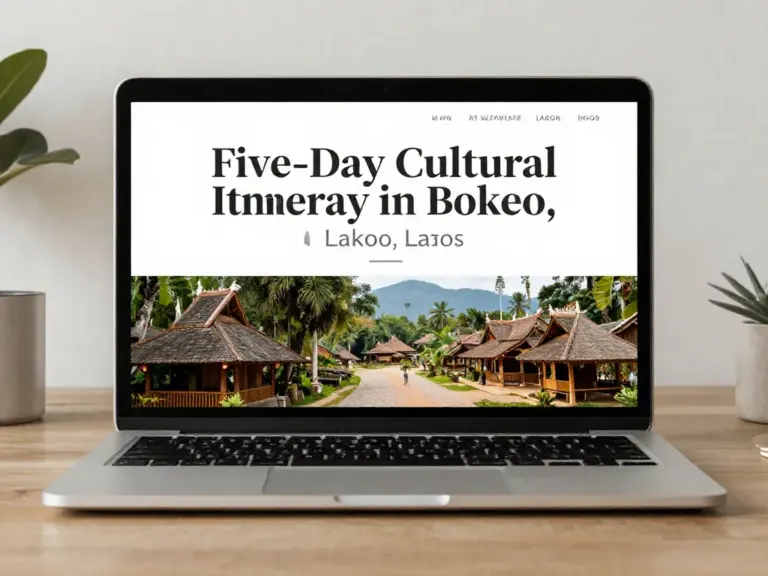
A 5-Day Cultural Itinerary in Bokeo for Travelers Seeking Authentic Laos
Bokeo Province, located in the far northwest corner of Laos, remains one of the country’s best-kept secrets. While many travelers rush through Houayxai on their way to Luang Prabang, those who linger find a rich tapestry of ethnic diversity, lush landscapes, and genuine hospitality. This 5-day cultural itinerary in Bokeo is designed for travelers seeking authentic Laos—moving beyond the standard tourist tracks to engage with local traditions, sustainable tourism, and the deep, quiet beauty of the Mekong region.
Why Choose Bokeo for Cultural Immersion?
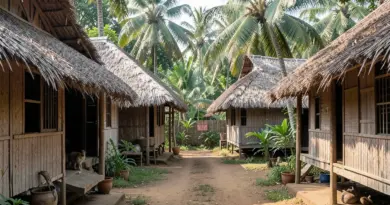
Unlike the more developed hubs of Vientiane or Luang Prabang, Bokeo offers a raw, unfiltered look at life along the Mekong. The province is home to a diverse mix of ethnic groups, including the Hmong, Lanten, Khmu, and Akha, each maintaining distinct customs, weaving techniques, and agricultural practices. By spending time here, you contribute to community-based tourism that respects local heritage rather than commodifying it.
The 5-Day Cultural Itinerary in Bokeo
This itinerary balances exploration with connection. It assumes you are starting in Houayxai, the provincial capital.
Day 1: Arrival and Riverside Reflections
Arrive in Houayxai and settle into a local guesthouse overlooking the Mekong. Spend your afternoon walking the quiet streets of the town. Visit Fort Carnot, a remnant of the French colonial era, which offers a historical contrast to the surrounding natural beauty. As evening approaches, dine at a riverside restaurant to watch the sun set over the Thai border across the water.
Day 2: The Gateway to the Nam Kan National Park
Dedicate your second day to the Nam Kan National Park. This protected area is famous for its canopy-level conservation efforts. While many visit for the zip-lining, the cultural aspect lies in the surrounding villages that act as stewards of the forest. Engage with local guides who can explain how the forest provides medicinal plants, food, and building materials for their daily lives.
Day 3: Ethnic Village Immersion
Travel further into the rural hinterlands to visit villages inhabited by ethnic minority groups. It is essential to travel with a local guide who can facilitate respectful introductions. Observe traditional weaving, observe local farming cycles, and learn about the animist beliefs that still influence daily decision-making in these communities. Remember to ask permission before taking photographs.
Day 4: Sustainable Crafts and Local Markets
Return to the vicinity of Houayxai to explore the local markets. Unlike tourist markets, these are the lifeblood of the province. Look for locally produced textiles, handmade tools, and seasonal forest produce. Supporting these artisans directly helps preserve traditional crafts that are slowly being replaced by mass-produced imports.
Day 5: Mekong Traditions
Spend your final day focusing on the Mekong River. Take a slow boat journey to nearby riverside communities that are only accessible by water. Observe the fishing techniques and the way the river dictates the rhythm of life. Reflect on your journey and the importance of preserving these quiet, authentic corners of Southeast Asia.
Comparison of Travel Styles in Bokeo
| Feature | Standard Tourist Route | Authentic Cultural Route |
|---|---|---|
| Accommodation | Large chain hotels | Local guesthouses or homestays |
| Transport | Private air-conditioned vans | Local boats and community transport |
| Interaction | Transactional | Community-guided experiences |
| Focus | Sightseeing | Learning and exchange |
Checklist for Responsible Cultural Travel
- Hire local guides: Always prioritize guides from the local community to ensure your money supports the local economy.
- Respect customs: Dress modestly, especially when visiting rural villages and temples.
- Ask first: Always seek permission before photographing people or their private homes.
- Minimize waste: Bokeo has limited waste management infrastructure; carry out what you carry in.
- Learn basic phrases: Knowing a few words of Lao goes a long way in showing respect.
Frequently Asked Questions (FAQ)
What is the best time of year to visit Bokeo?
The cool, dry season from November to February is ideal for trekking and exploring. The weather is pleasant, and the roads are more accessible.
Is Bokeo safe for independent travelers?
Yes, Bokeo is generally very safe. However, standard travel precautions apply. Always use reputable local guides when heading into remote areas, as the terrain can be challenging.
Should I bring gifts to the villages I visit?
It is generally better to donate to a local school or a community project rather than giving money or candy to individuals, which can encourage dependency.
Conclusion
A 5-day cultural itinerary in Bokeo offers more than just a trip; it offers a perspective shift. By choosing to engage deeply with the land and its people, you help keep the authentic spirit of Laos alive. Approach your visit with patience, curiosity, and respect, and you will leave with memories far more valuable than any souvenir.